SMART IPL · PERSONALISED DRY EYE CARE
Intense Pulsed Light Therapy
At a Glance
IPL may be considered for selected people with dry eye related to meibomian gland dysfunction. An assessment comes first, followed by a discussion of possible benefit, risks, alternatives and costs. Contact our Mosman practice about current treatment availability.

Understanding Dry Eye Syndrome
Dry eye syndrome occurs when your eyes do not produce enough tears or the right quality of tears to keep the surface of your eyes adequately lubricated. Symptoms can include dryness, irritation, redness, and blurred vision.
What is Intense Pulsed Light (IPL) Therapy?
IPL may be considered for selected people with dry eye associated with meibomian gland dysfunction (MGD). An examination is needed to identify the cause of symptoms and whether IPL is appropriate.
How Does IPL Therapy Work?
- Light Pulses: IPL therapy delivers precise pulses of light to the area around your eyes.
- Improved Gland Function: Treatment may be combined with gland expression and other care selected by your optometrist.
- Reduced Inflammation: Reducing inflammation is one proposed treatment effect; improvement varies between patients.
Benefits of IPL Therapy
- Effective Relief: Studies suggest symptom improvement for some patients with MGD; a particular result is not guaranteed.
- Non-Invasive: IPL is applied to the skin, but has risks and requires appropriate eye protection.
- Quick and Convenient: Ask your treating optometrist about appointment length, aftercare and the proposed treatment course.
SMART Intense Pulsed Light (IPL) Therapy
IPL delivers pulses of broad-spectrum light to selected skin areas around the eyes. Treatment for MGD aims to address contributing inflammation; mechanisms and response vary. Eye protection and appropriate clinical protocols are essential.
SMART IPL: Individual Treatment Planning
Your optometrist selects device settings after reviewing your eye health, skin and medical history. IPL is one option within a personalised dry eye management plan.
Part of an ongoing care plan
IPL does not guarantee a cure or remove the need for other treatment. Continue prescribed care unless your clinician advises a change.
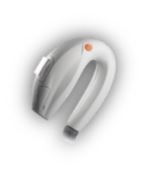
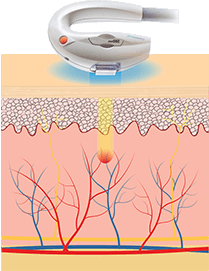
Patented water cool tip:
Cooling and energy controls support treatment delivery. They do not eliminate risks or guarantee an outcome.
Questions to Discuss Before IPL
Discuss these aspects of treatment with your clinician before deciding:
- Device Choice
- Eye Protection
- Expected Benefit
- Cooled Tip
OptiLight for selected patients with MGD (Meibomian Gland Dysfunction)
Discuss OptiLight with your optometrist
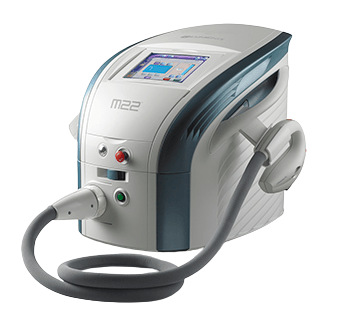
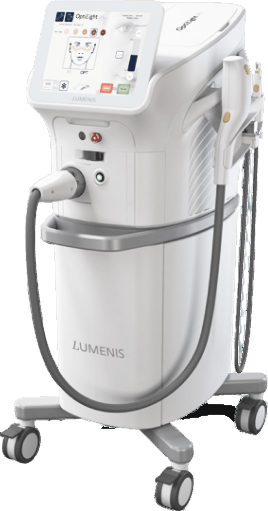
OptiLight is a Lumenis IPL device used in dry eye management. Contact our Mosman practice to discuss assessment, current availability and suitability.
Watch the historical SMART IPL Mosman overview on its dedicated video page. Current suitability and safety information is provided on this page.
What your clinician assesses
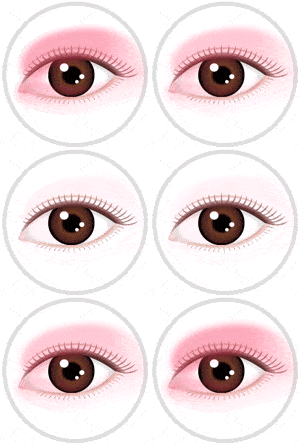
Inflammation
Inflammation is one part of the clinical assessment.
Tear-film stability
Tear-film measurements can help monitor the response to treatment.

Eyelid and skin findings
Your clinician examines the lids and surrounding skin before recommending treatment.
Meibomian gland function
Assessing the glands helps guide care; treatment cannot promise gland restoration.

Other eyelid conditions
Other eyelid conditions may require a separate management approach.
Improve your Dry Eye Management with Smart Vision Optometry Eyes InDesign Mosman
Device features support treatment delivery; suitability and careful clinical use remain essential.
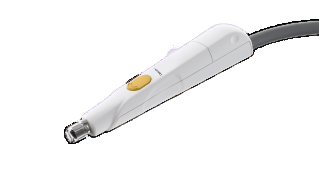
Patented OPT™ Handpiece
The OPT™ handpiece is designed for treatment of the contours around the eyes. Your clinician follows device instructions and selects suitable settings.

Ergonomic IPL Handpiece
The handpiece is used according to the device instructions and the patient’s assessment.
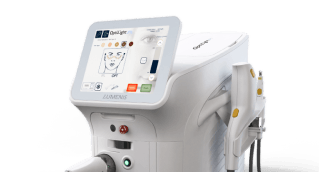
Treatment settings and protocols
Your clinician follows the device instructions and adjusts the treatment plan to the assessment findings.
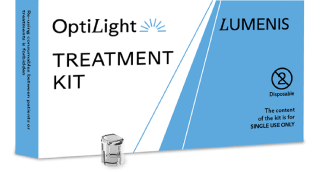
Individual treatment planning
Discuss expected sensations, potential adverse effects and aftercare before treatment.
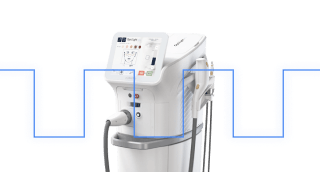
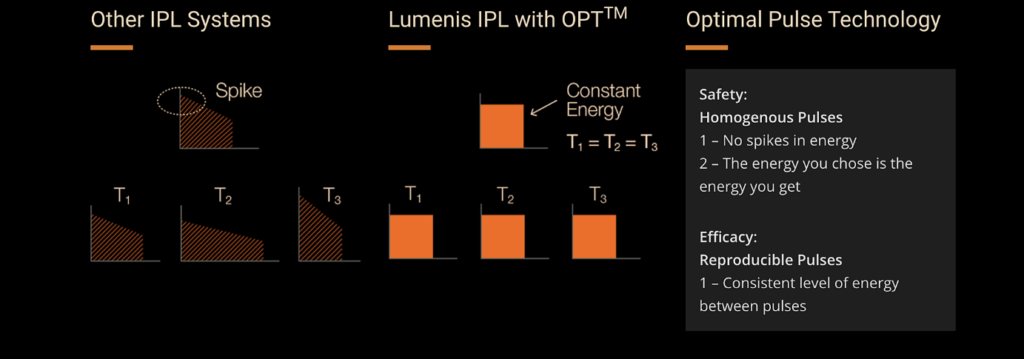
Optimal Pulse Technology (OPT™)
OPT™ is the manufacturer’s pulse-delivery technology. Device controls support treatment delivery but do not remove risks or guarantee symptom improvement.
Contact Us
For routine enquiries, call Bondi (02) 9365 5047 or Mosman (02) 9969 1600. Ask about assessment, the proposed course, costs and follow-up.
Frequently asked questions
Does IPL work for everyone with dry eyes?
No. Dry eye has different causes. Research supports possible symptom benefit in selected patients with MGD, but benefit alongside standard treatment and adverse-effect evidence remain uncertain. Discuss expected benefit and alternatives with your clinician. See the 2025 systematic review by Peira and colleagues.
What risks should I discuss?
Possible effects include discomfort, swelling, burns and changes in skin pigmentation. Eye protection is essential. Tell your clinician about medicines, light sensitivity, skin conditions and recent procedures so contraindications can be checked. Read Lumenis’s device and safety information.
How do I find out whether IPL is suitable?
Arrange a dry eye assessment. The consultation is the starting point for discussing options, risks, costs and follow-up; it does not commit you to IPL.
Related Dry-Eye Information
Explore dry-eye management, prepare for a Dry Eye Smart Assessment, and read our SVO article on screen time and eye comfort. These resources help you prepare questions for your consultation.
Your eyes. Your personalised programme.
Start with a detailed assessment. Discuss a bespoke wellness treatment programme based on your individual findings and needs.