
SMART VISION · BONDI BEACH & MOSMAN
BlephEx & Eyelid Hygiene
At a Glance
BlephEx is an in-office device used to clean debris from the eyelid margins. It may be discussed as one part of care for some people with blepharitis, but evidence of symptom benefit is limited and mixed. An eye assessment is needed to confirm the cause of symptoms and compare eyelid hygiene, medicines and other suitable options.
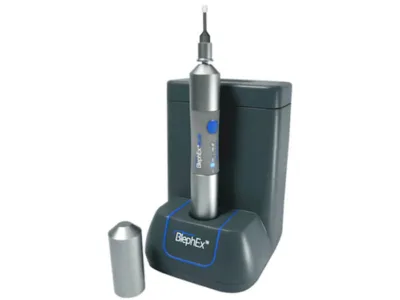
BlephEx and Eyelid Hygiene at Smart Vision Optometry
Understanding Blepharitis
Blepharitis is inflammation at the edges of the eyelids. It can cause redness, irritation, crusting or flakes around the eyelashes, itching, watering, light sensitivity and intermittent blurred vision. It is often long term and can recur. Several factors may contribute, including blocked eyelid oil glands, skin conditions, infection, allergy or mites, so the same treatment is not suitable for everyone.
What Is BlephEx?
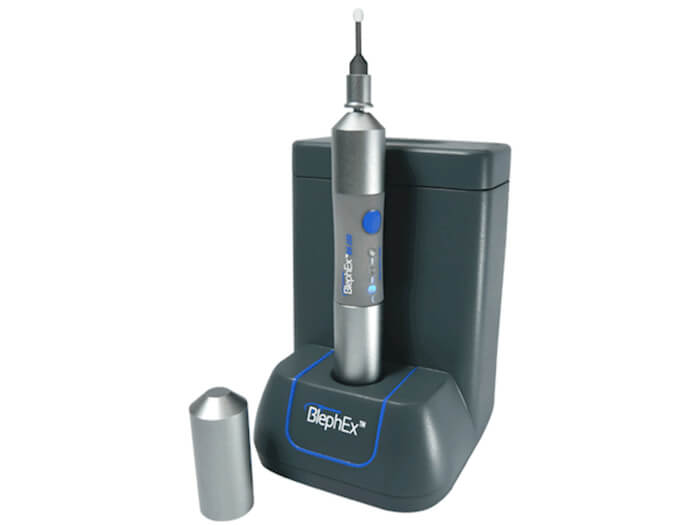
BlephEx is a clinician-operated device with a rotating micro-sponge tip. The tip is passed along the eyelid margins to remove visible scales, crusts and debris. The procedure is sometimes called microblepharoexfoliation. Removing debris is not the same as proving that symptoms will improve, that infection has been eliminated or that blepharitis will not return.
What the Procedure Involves
- Assessment first: Your optometrist examines the eyelids and ocular surface and asks about symptoms, skin conditions, contact lens use and previous treatment.
- Professional cleaning: If BlephEx is considered appropriate, a fresh treatment tip is used to clean the eyelid margins in the practice.
- Ongoing care: Home eyelid hygiene or other treatment may still be needed because blepharitis commonly recurs. Follow the plan given for your diagnosis rather than relying on a device alone.
What Does the Evidence Show?
A 2024 randomised, double-masked trial enrolled 42 adults with persistent blepharitis; 40 completed follow-up. After four weeks, one BlephEx treatment showed no significant benefit over a sham procedure in symptoms, eyelid signs or tear measures. Temporary irritation occurred in both groups.
This small, short study cannot establish longer-term effects or results in every patient group. Earlier studies used different methods and populations, with mixed findings. Discuss these limitations and simpler eyelid-care options before choosing a procedure.
Other Blepharitis Care
Healthdirect’s Australian guidance describes regular eyelid hygiene as an important part of care. Depending on the cause and examination findings, a clinician may recommend a warm compress, gentle eyelid cleaning, lubricating drops, treatment for a related skin condition or prescribed medicine. Avoid contact lenses and eye makeup during an active episode if advised. Our dry eye management page explains related care. For background on overlapping symptoms, read our article about dry, irritated or watery eyes. For eyelid warming used in some meibomian gland conditions, see our related information about Blephasteam and dry-eye care.
When to Seek Prompt Care
Arrange prompt assessment for significant eye pain, marked redness, light sensitivity, reduced vision, injury, a foreign body or symptoms associated with contact lens wear. These features can indicate a condition other than routine blepharitis. If symptoms do not improve after several days of appropriate self-care, or keep returning, seek professional advice.
Planning Your Eyelid Care
- Clarify the diagnosis: Similar symptoms can arise from dry eye, allergy, infection, skin disease or other eye conditions.
- Compare options: Ask about the expected benefit, limitations, possible discomfort, alternatives, cost and ongoing home care before choosing an in-office procedure.
- Review the response: Tell your optometrist if symptoms worsen, vision changes or the recommended routine is difficult to follow.
Book an Eyelid and Dry-Eye Assessment
A dry eye and eyelid assessment can help determine whether BlephEx, home eyelid care or another option is appropriate for your symptoms. Booking an assessment does not commit you to a particular procedure.
Contact Us
For help with appointments, contact our Bondi practice on (02) 9365 5047 or our Mosman practice on (02) 9969 1600. You can also use our contact page for general enquiries.
Does BlephEx cure blepharitis?
No cure or permanent relief can be promised. Blepharitis often recurs, and a 2024 sham-controlled trial did not find a significant benefit from one BlephEx treatment over the sham procedure after four weeks.
Is BlephEx better than ordinary eyelid hygiene?
Current evidence is limited and mixed. The 2024 trial described above did not find a significant benefit over a sham procedure. Your clinician should explain simpler eyelid-hygiene options and any other treatment relevant to your diagnosis.
Can BlephEx cause side effects?
Temporary irritation or discomfort can occur. Tell the clinician immediately if treatment is painful, and seek prompt care for worsening redness, significant pain, light sensitivity or reduced vision.
Care built around your individual needs
Discuss your needs with our Smart Vision behavioural optometrists. Your detailed assessment guides a personalised wellness treatment programme where appropriate.
Bondi Beach · Mosman