
Sydney Optometrists Highlight Long-Term Risks of High Myopia Â
While glasses and standard contact lenses correct blurred distance vision, they do not slow the structural changes occurring inside the eye.
From online learning platforms to smartphones and gaming devices, Australian families are spending more time than ever focusing on near tasks.
While many families associate eye tests with blurry distance vision, practitioners say classroom performance relies on a far broader range of visual skills — including eye teaming, tracking, focusing stamina and visual processing efficiency.
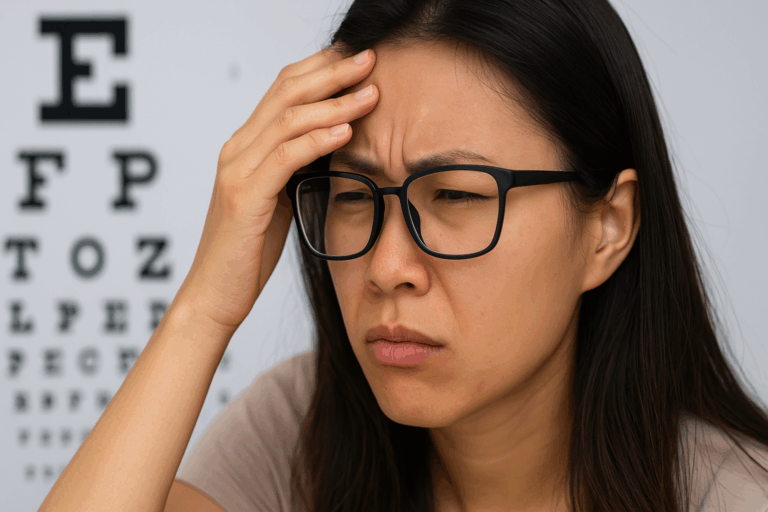
Myopia (short-sightedness), once considered a simple refractive inconvenience, is increasingly recognised as a progressive eye condition with potential long-term health implications.
With childhood short-sightedness continuing to rise across Australia, optometrists are reporting strong interest in treatments that offer both daytime freedom from glasses and strategies to slow eye growth in younger patients.
Certain individuals have unique visual demands or underlying conditions that require more than standard eye care – for example people with developmental vision delays, post‑neurological injury, high visual‑stress occupations, or those with non‑standard visual pipelines.
In today’s digital‑intensive world, vision isn’t just about seeing in the distance — it’s about managing screens, near‑work, mixed lighting, multiple devices, extended hours and fatigue.
Whether you’re an athlete, a shift‑worker, a driver or someone whose job places high demands on visual performance, the quality and function of your visual system matter.
The prevalence of myopia (near‑sightedness) is rising worldwide, and with it, the importance of early intervention and long‑term wellness care.
In an era when “one size fits all” resonates less with health care, the team at Smart Vision Optometry (SVO) emphasise that vision wellness is most effective when individualised.
When young children begin reading, writing and engaging in sport and screen activities, the performance of their visual system plays a pivotal role in their overall development.
Myopia—often called short-sightedness—has surged to become one of the most common causes of visual impairment worldwide. As incidence rises in children and adults alike, it has become a pressing public health issue demanding awareness and action. According to Gary Rodney, founder and creator of Smart Vision Optometry, Master of Optometry, Behavioural Optometrist and Fellow of…
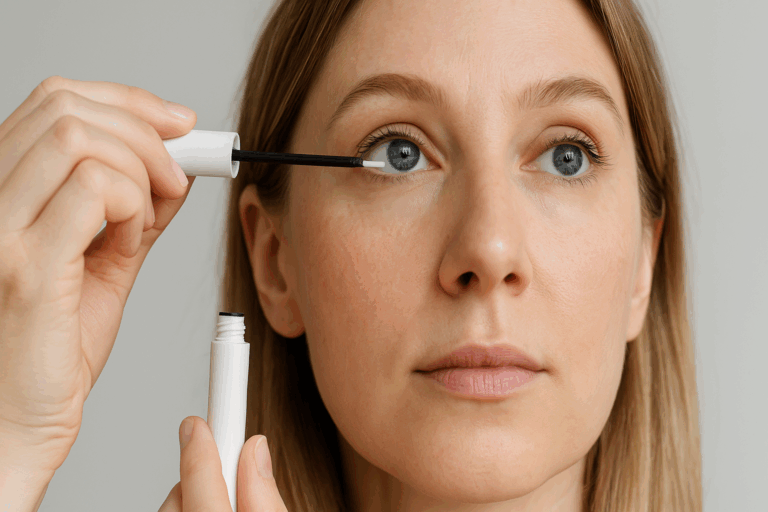
For individuals with sensitive eyes, enhancing lash length and volume isn’t always straightforward. The delicate nature of this area makes it prone to irritation, especially when exposed to the active ingredients and preservatives commonly found in many cosmetic products. When it comes to eyelash serums, extra care is essential to avoid unwanted allergic reactions or…
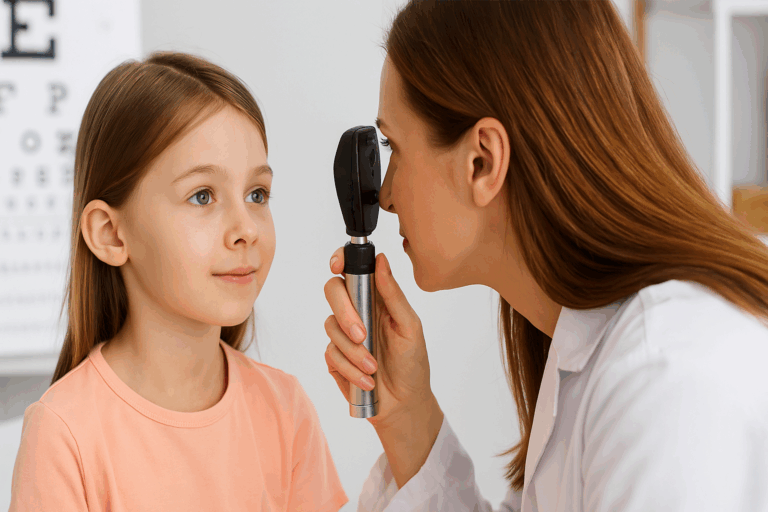
Every day, parents guide their children through significant milestones—learning to crawl, walk, speak, and toilet train. Yet when it comes to vision and vision skills, many feel uncertain. As Gary Rodney, founder and creator of Smart Vision Optometry and Master of Optometry, Behavioural Optometrist and Fellow of the International Academy of Orthokeratology and Myopia Control…
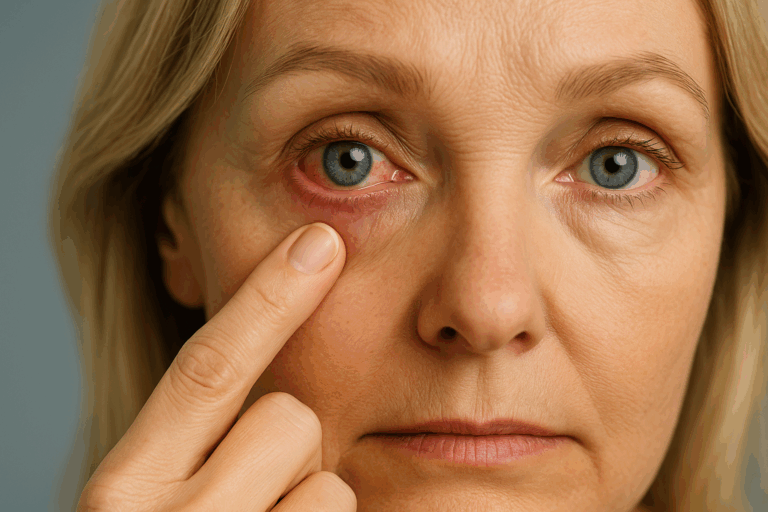
The Hidden Burden of Dry, Irritated Eyes If you have ever ended a long day with burning, gritty, or watery eyes, you may have brushed it off as simple fatigue from too much screen time. But for many Australians, these symptoms point to something more serious: Dry Eye Disease (DED). This chronic condition is becoming…
Urgent Action Needed as Vision Care Slips Through the Cracks Australia is facing a silent crisis in vision care—and the alarm bells are getting louder. Optometrists nationwide are warning that reduced access to routine eye exams is putting the long‑term visual health of millions at risk. As discussions around preventative healthcare dominate the national agenda…
Why These Conditions Often Go Hand in Hand Red, itchy, irritated eyes and inflamed eyelids are more than just a minor nuisance—they may signal the presence of blepharitis, a chronic inflammation of the eyelid margins. While blepharitis is not always synonymous with dry eye disease, the two conditions often appear together. In fact, blepharitis is…
Why This Matters Myopia (short‑sightedness) is rising globally, especially among children. It’s not just about needing glasses — high myopia increases risks of eye disease later in life. A proactive approach is now possible: orthokeratology (Ortho‑K) combined with behavioural optometry and vision therapy offers a way to manage and slow the progression of myopia, while…
Reports of babies and toddlers being given mobile phones and tablets in prams as a distraction while parents shop have shocked Australian optometrists Gary Rodney and Jacqueline Gattegno. As a Master of Optometry, Smart Vision Behavioural Optometrist, and Fellow of the International Academy of Orthokeratology and Myopia Control (FIAOMC), Rodney has spent years studying myopia…
Both myopia (short-sightedness) and cataracts are among the most common visual impairments worldwide. With myopia affecting nearly 3 billion people globally—a number expected to rise to 5 billion by 2050—and cataracts responsible for 51% of blindness cases, these conditions significantly impact vision health. But is there a connection between the two? According to Gary Rodney,…
End of content
End of content