
SMART VISION · BONDI BEACH & MOSMAN
Eye Drops
At a Glance
Eye drops differ in purpose, ingredients and instructions. Lubricants may help dry-eye discomfort; allergy, antibiotic and anti-inflammatory medicines address different problems. Our Bondi and Mosman teams can discuss assessment and appropriate next steps.

Eye Drops at Smart Vision Optometry
Understanding Eye Drops
Eye drops have different purposes. Lubricants support comfort, while medicines target particular conditions. A red or uncomfortable eye needs the right diagnosis; products are not interchangeable.
Types of Eye Drops
Your optometrist or pharmacist can explain which category is relevant and whether a prescription or referral is needed:
- Lubricants: Artificial tears may ease dryness and irritation.
- Allergy treatments: These address allergic symptoms when allergy is the cause.
- Antibiotics: These are used for selected bacterial infections, not every red eye.
- Anti-inflammatory medicines: Treatment and monitoring depend on the diagnosis and medicine.
Using Eye Drops Safely
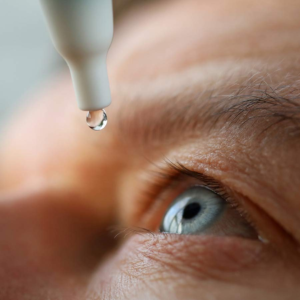
- Check the instructions: Use the correct product in the specified eye, at the directed frequency.
- Keep the tip clean: Wash your hands and avoid touching the nozzle to your eye, lashes or skin.
- Ask for help: Request a demonstration if squeezing or aiming the bottle is difficult.
Preservative Free Eye Drop Lubricants
Artificial tears can help relieve mild dry-eye symptoms. Different formulations suit different needs; the brand alone does not identify the cause of discomfort.
Preservative-free options may be useful when drops are needed frequently or preservatives are poorly tolerated. Ask which formulation suits your eyes and contact lenses. Follow its storage and discard instructions.
Anti-inflammatory Eye Drops
Prescription anti-inflammatory drops require a diagnosis, individual directions and follow-up. Steroid drops and other medicines, such as ciclosporin, have different indications and treatment schedules. Do not restart leftover prescription drops or alter a course without advice from the prescriber.
Overnight Lubricating Gels and Ointment
Gels and ointments may last longer on the eye surface and can be useful at night. They can temporarily blur vision. Ask when to apply your product and avoid driving until your vision is clear.
Comprehensive Eye Care at Smart Vision Optometry
An assessment considers symptoms, eye health, current treatments and possible contributing factors. Read about dry-eye management and what a Dry Eye Smart Assessment may involve.
Prepare for Your Appointment
- Bring your drops: Include prescription and non-prescription products.
- Describe changes: Explain when symptoms occur and whether a product causes irritation.
- Agree on review: Ask when to reassess and what to do if symptoms worsen.
Book Your Appointment Today
Book an appointment to discuss persistent symptoms, your current drops and a suitable management plan. Bring the bottles or a medicines list.
Contact Us
For routine enquiries, call Bondi (02) 9365 5047 or Mosman (02) 9969 1600. Confirm appointment availability and fees with the practice.
When to Seek Help
A painful red eye or a red eye while wearing contact lenses needs prompt assessment. For sudden vision changes, painful light sensitivity or an eye injury, seek urgent medical care rather than waiting for a routine appointment.
Related Information and FAQs
Read our SVO article on screen time and eye comfort. For independent guidance, see Healthdirect on dry eyes, Moorfields on applying drops and Moorfields on dry-eye treatments. Your product leaflet and prescriber provide the instructions for your medicine.
Are all eye drops suitable for dry eyes?
No. Lubricants, allergy treatments, antibiotics and anti-inflammatory medicines have different purposes. Ask your optometrist or pharmacist which product is appropriate.
Can I use drops while wearing contact lenses?
Check the specific product instructions and ask your clinician. Some products require lenses to be removed; do not assume that every lubricating drop is compatible.
What if my symptoms continue or get worse?
Arrange a review if symptoms persist despite treatment. A painful red eye, especially with contact-lens wear, needs prompt assessment. Sudden vision changes, light sensitivity or an eye injury need urgent care.
Care built around your individual needs
Discuss your needs with our Smart Vision behavioural optometrists. Your detailed assessment guides a personalised wellness treatment programme where appropriate.
Bondi Beach · Mosman