ORTHO-K · BONDI BEACH & MOSMAN
Orthokeratology
At a Glance
Orthokeratology, or Ortho-K, uses prescribed overnight contact lenses to temporarily change the cornea’s shape. It may reduce the need for daytime glasses or contact lenses in suitable patients and can be considered for childhood myopia control. Careful fitting, hygiene and ongoing review are essential; benefits and risks need individual discussion.
How Ortho-K works
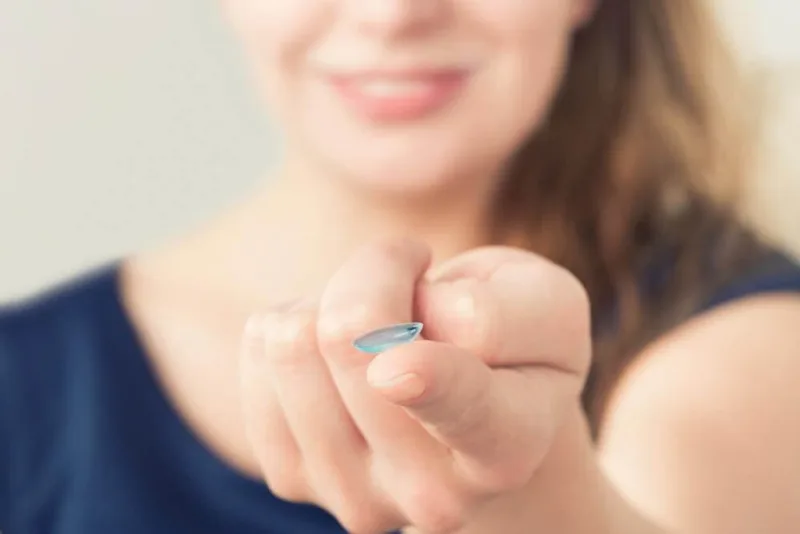
Specially fitted rigid lenses are worn during sleep and removed after waking. The vision-correction effect is temporary and depends on following the prescribed wearing plan. Daytime clarity and the amount of correction vary. Do not assume you can stop wearing backup glasses for every task without checking your vision.
Who may be suitable?
Your optometrist assesses your prescription, eye shape, corneal health and practical ability to handle and care for lenses. For a child, family support for hygiene and follow-up is part of that discussion. An interest in sport or freedom from daytime lenses is a reason to ask about options, not proof that Ortho-K is appropriate.
At Smart Vision Optometry in Bondi and Mosman, ask what the initial assessment involves, what alternatives are suitable and which tests or reviews will be needed. Our eye-testing information explains the broader appointment pathway.
Ortho-K and myopia control
Ortho-K is one of several options supported by research for slowing childhood myopia progression. It does not cure myopia or guarantee that progression will stop. Read our Myopia Control page to distinguish vision correction from treatment intended to slow eye growth and to prepare questions about alternatives.
TAKE-HOME RESOURCE
DIY Myopia Prevention Checklist
Keep a copy of Smart Vision’s original checklist at home. Download the one-page PDF to save or print and refer to alongside your optometrist’s advice.
Risks and daily care
Overnight lens wear carries a risk of serious eye infection that can threaten sight. A non-surgical treatment is not risk-free. Your written wearing, cleaning and follow-up instructions are central to care; use only the products recommended for your lenses.
Wash and dry hands before handling lenses. Keep lenses away from water and saliva, including during swimming and showering, and do not rinse or store them in water. Remove lenses and contact your eye-care professional if an eye becomes red, painful or irritated, or vision worsens. Do not put a lens into a red eye.
Our SVO article Your Part in Ortho-K Lens Care explains follow-up, hygiene and symptoms that need advice. It supports, rather than replaces, the individual instructions from the clinician managing your lenses.
Follow-up, cost and practical questions
Before starting, ask about the total cost of assessment, fitting, lenses, care products, review visits and replacements. Confirm who to contact if a lens is lost or damaged, vision changes or you miss a night. Ask how progress will be measured and when the plan should be reviewed. Keep the agreed appointments even if your vision seems comfortable.
Frequently asked questions
What is orthokeratology?
Orthokeratology, or Ortho-K, uses specially designed overnight lenses to temporarily reshape the cornea and provide clear daytime vision for suitable patients.
Can Ortho-K be used for myopia control?
Yes. Ortho-K may be used as part of a myopia control strategy in suitable children and young people.
Do I need an assessment before trying Ortho-K?
Yes. SVO assesses eye shape, prescription, corneal health, lifestyle and suitability before recommending Ortho-K.
Practice video
Arrange an Ortho-K assessment
Contact our team: Bondi (02) 9365 5047 or Mosman (02) 9969 1600. Tell us about your current prescription and any contact-lens experience so we can discuss the appropriate appointment.
Sources
International Myopia Institute: Myopia interventions; FDA: Children and contact lenses; CDC: Keeping water away from contact lenses. Checked 23 September 2026.
Your eyes. Your personalised programme.
Start with a detailed assessment. Discuss a bespoke wellness treatment programme based on your individual findings and needs.