SMART VISION · BONDI BEACH & MOSMAN
Myopia Control
At a Glance
Myopia control aims to slow worsening short-sightedness, particularly during childhood. It does not cure myopia or guarantee that progression will stop. Smart Vision Optometry in Bondi and Mosman can assess your child’s vision, discuss suitable options and agree on a monitoring plan.
Correction, control and monitoring
Myopia makes distant objects look blurred and commonly involves an eye that is too long for its focusing power. Ordinary glasses or contact lenses improve clarity; myopia-control treatments have a different aim: slowing changes in prescription and eye growth. A clear view through glasses does not by itself show whether progression has slowed.
Bring previous prescriptions and reports to your child’s appointment. Age, changes over time, eye health, daily routines and ability to manage treatment all matter. Ask which measurements will be followed, how often review is needed and what would lead to a change of plan. Our eye tests and assessments explain the appointment pathway.
Options to discuss with your optometrist
Research supports several approaches, including particular myopia-control spectacle designs, specialised soft contact lenses, overnight orthokeratology and prescribed atropine drops. The choice depends on the individual child, available products and clinical suitability. Ask what evidence applies to the proposed option and whether prescribing or referral is required.
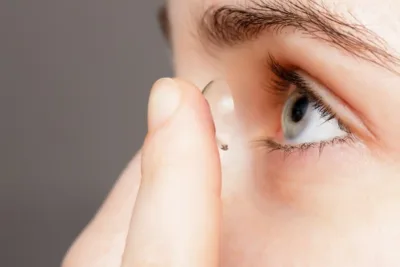
Orthokeratology temporarily changes the front surface of the eye using specially fitted lenses worn during sleep. Contact-lens options require careful hygiene and follow-up because eye infection is a risk. Atropine can cause light sensitivity or near blur; concentration and tolerability matter. No single treatment offers the same result for every child.
What the evidence can and cannot promise
The 2025 Cochrane review found that optical and drug approaches can slow childhood progression, while highlighting variation between studies, limited long-term follow-up and incomplete reporting of adverse effects. The International Myopia Institute’s 2025 review also describes effective options and emphasises differences between treatments and study results. Discuss likely benefit and uncertainty rather than relying on a promised percentage.
Outdoor time and screen habits
Research supports spending more time outdoors to reduce the chance of childhood myopia starting. This is a different question from treating myopia that is already present; outdoor activity should complement, not replace, a prescribed management plan. Discuss a practical routine and appropriate sun protection with your healthcare team.
For screen comfort, see our SVO article What Is Screen Time Doing To Your Eyes? and Digital Eye Strain assessment page. Comfort advice and treatment for a separate focusing or eye-coordination problem should not be presented as substitutes for evidence-based myopia control.
TAKE-HOME RESOURCE
DIY Myopia Prevention Checklist
Keep a copy of Smart Vision’s original checklist at home. Download the one-page PDF to save or print and refer to alongside your optometrist’s advice.
Questions before starting treatment
Ask about the intended benefit, alternatives, side effects, total costs, review visits and what happens if treatment is stopped or needs changing. Confirm how to seek help if contact lenses cause pain, redness or reduced vision. Keep follow-up appointments even when everyday vision seems clear.
Frequently asked questions
What is myopia control?
Myopia control refers to treatment strategies designed to slow the progression of short-sightedness in suitable patients.
Who is myopia control usually for?
Most treatment evidence concerns children whose myopia is developing or progressing. Adults with changing vision should also have an assessment, but treatment evidence and goals may differ from those for children.
What treatments may be used for myopia control?
Depending on suitability, options may include specific myopia-control spectacle lenses, specialised soft contact lenses, orthokeratology or prescribed atropine drops. Benefits, risks, cost and follow-up need individual discussion; not every option suits every child.
Arrange a myopia assessment
Contact our team in Bondi on (02) 9365 5047 or Mosman on (02) 9969 1600. Tell us your child’s age, prescription history and any current treatment so we can discuss the appropriate appointment.
Sources
Cochrane: Interventions to slow childhood myopia progression (2025) and International Myopia Institute: Interventions for myopia onset and progression (2025), checked 23 September 2026.
Care built around your individual needs
Discuss your needs with our Smart Vision behavioural optometrists. Your detailed assessment guides a personalised wellness treatment programme where appropriate.
Bondi Beach · Mosman