Published: 28 November 2022 | Updated: 28 September 2026 | Author: Smart Vision Optometry
Editorial and clinical update — 28 September 2026: The original article/interview below has been restored from the verified pre-edit recovery source, preserving its editorial structure and attributed quotations. Current evidence and guidance below should be relied on where older wording differs.
How To You Tell If Your Child Has Eye or Vision Issues
Parents who are raising children are aware of what to anticipate in terms of toilet training, helping them to crawl, and eventually stand and walk. They encourage them to speak and caution them not to touch certain objects. They expose their children to a variety of tastes and smells, all of which are simple enough to name, discuss, explain, and comprehend. However, according to renowned Australian behavioural optometrist Gary Rodney, fellow of the International Academy of Orthokeratology and Myopia Control (FIAOMC), whose Smart Vision Optometry has a special interest in this area, many parents are at a loss when it comes to assisting their children with their eyesight or vision, and just as many are overlooking the symptoms of potential vision disorders.
Being a step or two behind while starting school
Because some children do not perceive the world or anything in it the same way that their classmates do, Rodney believes that many youngsters arrive to school a few steps behind their peers. Instead, everything has a blurry appearance or is not able to be visually processed properly. Also, it can make children feel uneasy in various situations. This can result in a variety of learning issues.
“When students first start school, they are exposed to a whole new environment, and they sometimes feel inferior to their new classmates when it comes to academic performance. They don’t understand why their reading skills may deteriorate and other learning abilities may lag. So many of them can start to display behavioural issues or refrain from participating in a procedure that looks too challenging. Many people don’t want to start doing sports, and some don’t want to read,” explains Rodney.
The issue of distance
Myopia (nearsightedness) and hyperopia (farsightedness) are two of the most well-known eye conditions, which coupled with other conditions afflict at least 22% of Australians under the age of 14. Both cause children’s vision to become hazy, whether they are trying to see anything at a distance, as is the situation with myopia or up close, as is the case with hyperopia. Both are refraction mistakes brought on by light rays that concentrate in front of or behind the retina rather than on it as they ought to.
However, Rodney has discovered that optical blur only makes up 11% of all other visual issues on school screenings. Both perceptual vision and functional vision abilities can create a lot more problems. Therefore, focusing just on refractive defects will not reveal the great majority of visual obstacles to reading and learning.
How to Recognise the Symptoms
Parents can be alert for certain warning signs that indicate their children may have issues with visual function or the processing of objects at various distances. Some can be seen clearly in their bodily acts.
These include the habit of moving very close to what they are attempting to view, such as while watching television, or bringing books very close to their eyes when attempting to read. Children with eye issues may also become lost in a book when reading, let their eyes follow the text while using a finger as a guide, or begin to avoid tasks that are too challenging for them. According to Rodney, this may apply to literature or even sports since the blur makes it too tough because the required attention is uncomfortable for them.
In order to have the stronger eye perform the work and prevent the weaker eye from becoming “lazy” and further deteriorating, they may also squint or tilt their heads to one side.
“Frequent headaches, light sensitivity, and complaints of “sore eyes” may result from difficulties focusing. Additionally, it may cause children to refuse to do the recommended tasks when they read a book or use a computer or need to have great motivation to attend While this is frequently seen as poor behaviour, it may actually be the very genuine outcome of an eye condition,” says Rodney.
What parents can do
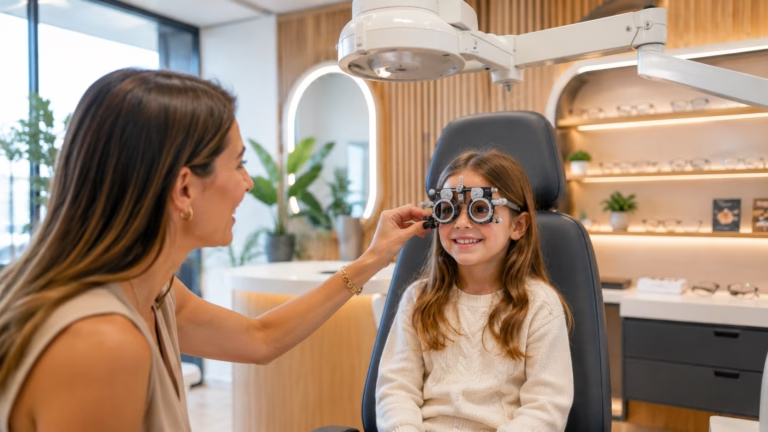
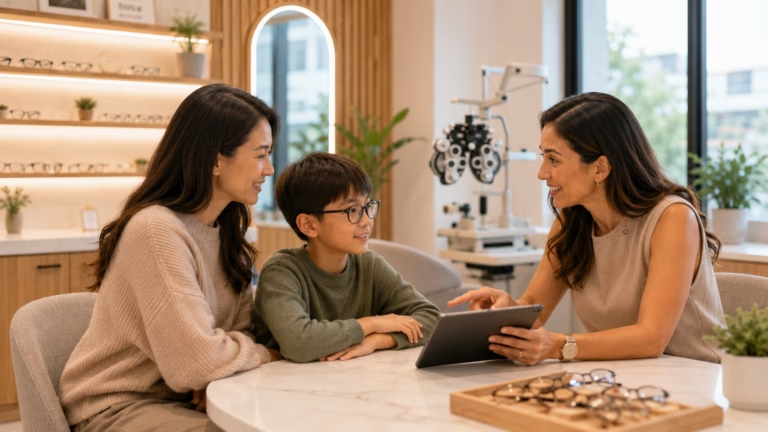
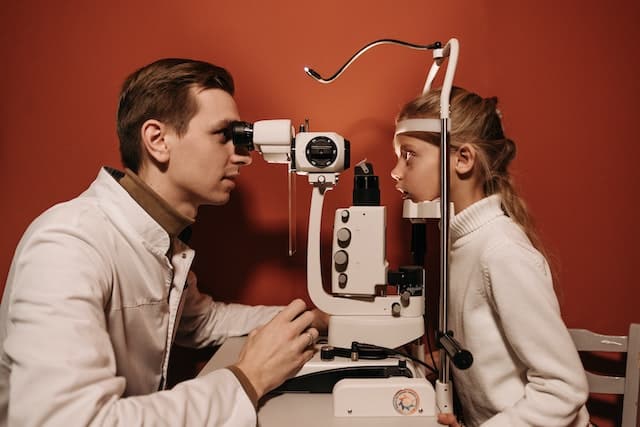
With this information in hand, parents are encouraged to set an appointment with a Smart Vision optometrist like those at Eyes InDesign Mosman to book a Smart Vision Skills Assessment to evaluate their children and get them the help they need.
Smart Vision Optometry Eyes InDesign Mosman, provides professional expertise to best evaluate and treat eye-related queries and visual problems and supports patients to optimise their visual health.
Smart Vision Optometry clinics are located in multiple suburbs in Sydney. Book a Smart Vision Comprehensive Vision Skills Assessment or Advanced Eye Health Test for any child or adult by calling the Mosman clinic (02) 9969 1600 or the Bondi clinic (02) 9365 5047, book an appointment online.
Current evidence and clinical context
AAPOS guidance separates learning disabilities from treatable ocular conditions.
AAPOS guidance on vision therapy distinguishes treatment for selected binocular problems from claims about dyslexia or school performance.
Related Smart Vision reading
Children’s eye care · Vision problems in children · Smart Vision Skills Assessment
Frequently asked questions
Can one classroom or coordination symptom diagnose an eye disorder?
No. Diagnosis requires an appropriate eye examination.
Can visual and learning or developmental issues coexist?
Yes. Each should be assessed and managed appropriately.
Should educational support wait for eye treatment?
No. Appropriate learning or developmental support should continue.