Published: 5 August 2021 | Updated: 30 September 2026 | Author: Smart Vision Optometry
Editorial and clinical update — 30 September 2026: The original article/interview below is preserved, including its attributed quotations and editorial structure. Current evidence and guidance below should be relied on where older wording differs.
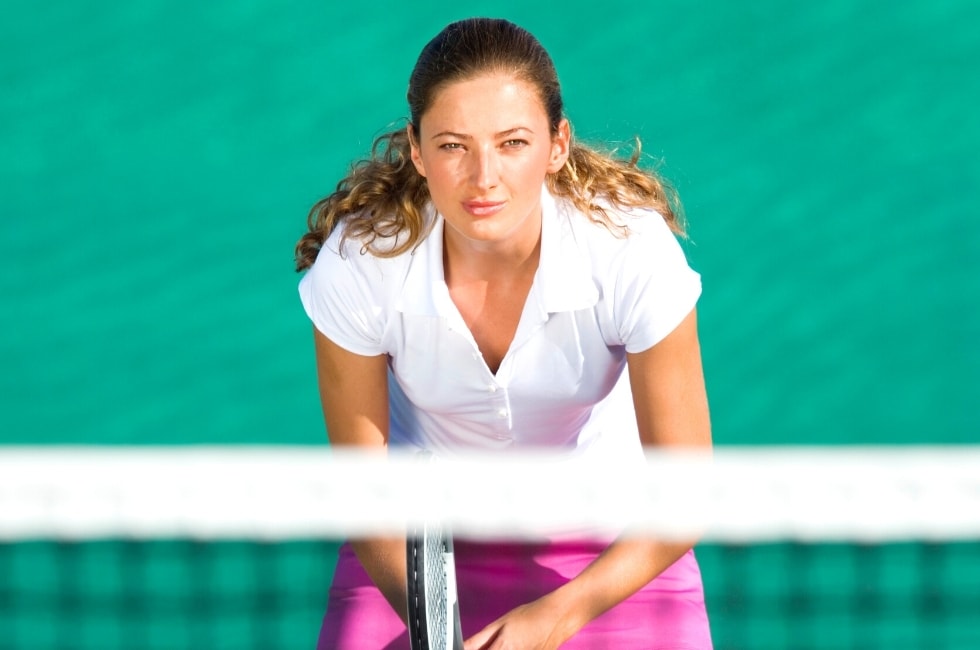
Sportspeople are always very focused on their training, and many professional and amateur athletes have come to appreciate the fact that training their eyes can improve their overall performance. The benefits of enhancing visual performance in sports are widely recognised. There’s even an International Sports Vision Association (ISVA). Australian behavioural optometrist and Fellow of the International Academy of Orthokeratology and Myopia Control (FIAOMC), Gary Rodney, says that sports-specific vision training is a scientifically proven way to help athletes do even better at the sports they love.
Training the Eyes for Sports: As Important as Regular Workouts
The logic is simple. Athletes train their bodies, hoping to reach the peak of their performance, but many of them fail to recognise the importance of training their eyes which are, after all, part of the body and at least as important to their performance as their limbs.
The ability to see moving objects properly, locate them accurately in space, tracking them as they move, and focusing from one object to the next quickly and clearly are important in sports. Over and above that, being able to see things out of the corner of the eye, the ability to judge speed and distance, and the way in which the eyes direct our bodies, or hand-eye coordination, all contribute to sportspeople’s performance.
These visual skills may seem like second nature – but so are other elements of sport, like the ability to run. And, as with running ability, training brings improvement. However, it’s an aspect of sports training of which few are aware. One will, for example, hear people saying that they have poor hand-eye coordination with the implied conclusion that there’s nothing to be done about it. According to Gary Rodney, that’s a false assumption. The right training can make a big difference.
Because Everybody’s Different
As with other training programs, there’s no single recipe for success. Gary says that sports vision therapy all begins with individual assessments. The basics come first. While glasses or contacts aren’t a must for everyone, some athletes might need them, so a simple eye test acts as a starting point.
After that, a behavioural optometrist delves deeper, testing the visual skills that even people with 20/20 vision need in order to perform well in their chosen sports. Specialised equipment is used to test a range of visual skills that aren’t covered by a regular eye examination. The results enable the behavioural optometrist to identify the areas needing work, making it possible to develop an individualised therapeutic training program.
“There’s much more to behavioural optometry than just prescribing glasses,” says Gary, “and it’s not just athletes that can benefit. Some people think they’re just ‘clumsy’ when the real problem lies in their visual skills. Physical performance and visual ability are closely linked, and glasses or contact lenses aren’t always the solution.”
So, for those hoping to do better at sports, and those who aren’t into sport but have noticed issues with hand-eye coordination, depth perception, and so on, vision therapy could be a game-changer in more ways than one.
HEAR: Ultra106.5FM Interview with Gary Rodney – Covid and Myopia: What you need to know!
For more information on vision therapy, or to book an appointment, visit the Smart Vision website: Optometrists Sydney: Optometry Services For Children and Adults | Smart Vision; for specific information about Myopia treatment and prevention visit Myopia Prevention: Solutions, Control And Treatment In Sydney; and for detailed information about Myopia Treatment visit Orthokeratology In Sydney: The Non Surgical Alternative.
Maximise Your Sports Performance
Schedule You Vision Skills Assessment Today!
Current evidence and clinical context
A 2026 systematic review of integrated sports vision training reported task improvements alongside substantial variation between studies and a need for more research on retention and response.
The original interview’s broad performance claims should be interpreted in that context. Ask about the specific programme, relevant evidence, cost, alternatives and review period before making a commitment.
Related Smart Vision reading
Sports-training evidence · Correction and protection for sport
Frequently asked questions
Does every athlete benefit equally from visual training?
No. Programmes, needs and responses vary.
Does a better test score guarantee better competition results?
No. A measured training task and real competition are different outcomes.
How should progress be reviewed?
Agree relevant measures and a review period before starting the programme.