
Published: 2 December 2020 | Updated: 28 September 2026 | Author: Smart Vision Optometry
Editorial and clinical update — 28 September 2026: The original article/interview body below is retained in its editorial form, including its attributed quotations and narrative structure. Current evidence and clinical guidance are presented separately below and should be relied on where older wording or claims differ.
By Smart Vision Optometry. Originally published 2 December 2020. Updated 24 September 2026.
At a Glance
Finding that you can read without your usual reading glasses can seem welcome. In some older adults, this “second sight” is associated with a cataract-related change in the eye’s lens. It is a reason to arrange an eye examination, even if close-up vision seems better. It is not evidence that ageing changes have reversed.
What causes apparent second sight?
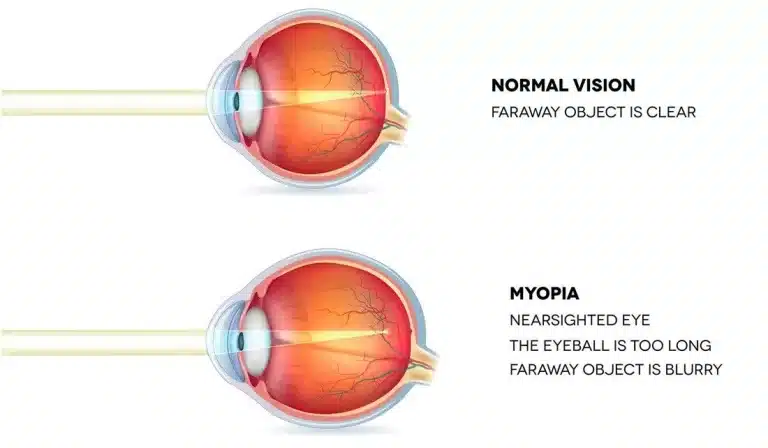
A nuclear cataract affects the central part of the lens. Changes in its optical properties can shift the prescription towards short-sightedness, called a myopic shift. This may make reading without glasses easier for some people while making distance vision worse.
A published study of cataract-related prescription changes found this shift in some participants with nuclear cataract. The effect varies: it does not happen with every cataract and is not a reliable way to diagnose one. A change in reading vision should be assessed rather than treated as a lasting improvement in eye health.
How is this different from presbyopia?
Presbyopia is the age-related loss of the lens’s ability to change focus for near work. It commonly becomes noticeable in middle age as reading small print gets harder or you hold a book farther away. It does not, by itself, improve distance vision.
Reading glasses or other prescribed lenses compensate for that reduced focusing ability. A later change towards short-sightedness does not restore the flexibility the lens has lost. Presbyopia and cataract can be present at the same time, and their effects on your prescription need to be considered together.
What other changes should you notice?
The National Eye Institute lists cloudy vision, glare, difficulty seeing at night, faded colours, halos and frequent prescription changes among cataract symptoms. Similar symptoms can have other causes, so an examination is needed.
Think about more than reading a phone or newspaper. Tell your optometrist whether you are having trouble seeing faces, watching television or coping with headlights. Better close-up vision does not establish that your distance vision is suitable for driving. Our vision and driving information explains why visual function matters on the road.
What happens at an assessment?
An optometrist can check your prescription and examine the lens and other eye structures. Healthdirect’s cataract guidance describes assessment using vision testing and a slit lamp, with referral to an ophthalmologist when appropriate.
Bring your current glasses and explain when you first noticed the change. Mention whether one or both eyes are affected and which everyday activities have become easier or harder. See our Smart Eye Testing guide for information about eye assessments.
Glasses, monitoring and cataract surgery
In the early stages, a changed prescription, better lighting or magnification may help with daily tasks. These measures do not remove the cloudy lens. Surgery replaces that lens with an artificial one, but a diagnosis does not automatically mean an immediate operation.
The decision depends on how vision affects your activities and on your eye examination. Discuss likely benefits, risks and timing with the ophthalmologist. Our related SVO article, understanding cataracts and changes in vision, provides further background.
Sudden vision changes, severe eye pain or new flashing lights need urgent medical attention. Do not assume they are a routine cataract change or wait for a scheduled check.
Frequently asked questions
What does second sight mean in an older adult?
It describes an apparent improvement in near vision that can occur when a nuclear cataract changes the focusing power of the eye’s lens. It does not mean the eye has become younger or that the change will last.
Does better reading vision rule out cataracts?
No. A cataract-related shift towards short-sightedness may improve unaided reading in some people while distance vision worsens. An eye examination is needed to identify the cause of a prescription change.
Do all cataracts need surgery immediately?
No. Early symptoms may be managed with an updated prescription or other visual aids. Surgery is considered according to the effect on daily activities, examination findings and your preferences, after discussion with an ophthalmologist.
Arrange an eye check in Bondi or Mosman
For a routine assessment, book online or contact Smart Vision Optometry. Call Bondi on (02) 9365 5047 or Mosman on (02) 9969 1600. This article provides general information; your optometrist can advise on assessment and referral for your circumstances.
Sources
Pesudovs and Elliott: Refractive error changes in cortical, nuclear, and posterior subcapsular cataracts; National Eye Institute: Presbyopia and Cataracts; Healthdirect: Cataracts and Eye care. Accessed 24 September 2026.
Current evidence and clinical context
A published study of cataract-related prescription changes found this shift in some participants with nuclear cataract. The effect varies: it does not happen with every cataract and is not a reliable way to diagnose one. A change in reading vision should be assessed rather than treated as a lasting improvement in eye health.
Presbyopia is the age-related loss of the lens’s ability to change focus for near work. It commonly becomes noticeable in middle age as reading small print gets harder or you hold a book farther away. It does not, by itself, improve distance vision.
The National Eye Institute lists cloudy vision, glare, difficulty seeing at night, faded colours, halos and frequent prescription changes among cataract symptoms. Similar symptoms can have other causes, so an examination is needed.
An optometrist can check your prescription and examine the lens and other eye structures. Healthdirect’s cataract guidance describes assessment using vision testing and a slit lamp, with referral to an ophthalmologist when appropriate.
Related reading
vision and NSW driving guide; Smart Eye Testing guide; understanding cataracts and changes in vision.
Frequently asked questions
What does second sight mean in an older adult?
It describes an apparent improvement in near vision that can occur when a nuclear cataract changes the focusing power of the eye’s lens. It does not mean the eye has become younger or that the change will last.
Does better reading vision rule out cataracts?
No. A cataract-related shift towards short-sightedness may improve unaided reading in some people while distance vision worsens. An eye examination is needed to identify the cause of a prescription change.
Do all cataracts need surgery immediately?
No. Early symptoms may be managed with an updated prescription or other visual aids. Surgery is considered according to the effect on daily activities, examination findings and your preferences, after discussion with an ophthalmologist.
Arrange an eye check in Bondi or Mosman
For a routine assessment, book online or contact Smart Vision Optometry. Contact our Bondi Beach practice or Mosman practice. Call Bondi on (02) 9365 5047 or Mosman on (02) 9969 1600. This article provides general information; your optometrist can advise on assessment and referral for your circumstances.
Sources
Pesudovs and Elliott: Refractive error changes in cortical, nuclear, and posterior subcapsular cataracts; National Eye Institute: Presbyopia and Cataracts; Healthdirect: Cataracts and Eye care. Accessed 24 September 2026.