
Published: 26 November 2021 | Updated: 28 September 2026 | Author: Smart Vision Optometry
There Are Four Stages of Diabetic Retinopathy: Experts Reveal What Professional Measures Can be Taken to Stunt That Progression
The original November 2021 article used a diabetes-awareness theme to discuss diabetic eye disease.
Diabetes can cause serious eye disease and vision loss, making appropriate screening and treatment important even before symptoms appear.
Not everyone with diabetes develops sight-threatening eye disease, but regular screening can identify changes that need monitoring or treatment.
High blood sugar levels damage the blood vessels of the retina and can cause permanent vision loss. Managing blood glucose, blood pressure and cholesterol alongside regular eye checks can reduce risk, but does not replace any indicated retinal treatment.
Jacquie Gattegno, a Smart Vision Optometrist at Eyes InDesign Bondi, explains the four stages of DR and what preventable measures can be taken to reduce the disease from advancing and causing permanent vision loss.
DR is commonly described as non-proliferative, involving retinal vessel changes without abnormal new vessel growth, or proliferative, in which fragile abnormal new vessels develop. Bleeding into the eye can affect vision.
Microaneurysms (MA) are small bulges in retinal capillary walls. They can leak and are characteristic early findings in non-proliferative diabetic retinopathy (NPDR).
Stage one: Mild NPDR
The first stage consists of mild non-proliferative retinopathy, which is an early stage of DR. In this stage, “small areas of swelling or bulges occur in the blood vessels of the retina,” says Jacquie.
Vision may not be affected yet during this stage.
Mild NPDR involves microaneurysms. Changes can be present without symptoms, so follow the examination and review schedule set from your findings.
It is also essential that “patients diagnosed with diabetes monitor their blood sugar level and diet,” says Jacquie.
Stage 2: Moderate NPDR
As the disease progresses, it results in moderate non-proliferative diabetic retinopathy, where some of “the blood vessels that nourish the retina become blocked and damage the retina,” says Jacquie.
Fluid leakage can cause diabetic macular oedema, swelling in the central retina. This can occur at any retinopathy stage and is assessed separately, not only in moderate NPDR.
Review timing for moderate NPDR depends on the findings and associated macular swelling. Follow the individual plan agreed with the eye-care team.
Stage 3: Severe NPDR
The third stage consists of an additional blockage of the blood vessels, “this disrupts the blood supply to the retina,” says Jacquie. Poorly supplied retinal tissue can release signals that promote new vessel growth. Once abnormal new vessels develop, the disease is classified as proliferative rather than severe non-proliferative retinopathy. “The obstructed blood vessels may lead to blurred vision with dark spots visible,” says Jacquie.
Severe NPDR involves extensive retinal vascular changes. Tractional retinal detachment is associated with scar tissue in proliferative disease; it should not be treated as a defining feature of severe NPDR.
“Patients with severe NPDR should have a dilated fungus examination three or four times a year,” advises Jacquie. These patients are at high risk of disease progression and permanent vision loss
Editorial and clinical clarification — 28 September 2026: The original quotation says “fungus examination”; the intended term is fundus examination, meaning examination of the back of the eye. The quoted wording is preserved. Severe NPDR needs timely specialist-directed monitoring; do not use a general three-or-four-visits schedule instead of your individual follow-up plan.
Stage 4: Proliferative Diabetic Retinopathy (PDR)
During this stage, “the new blood vessels are abnormal and rupture causing a flow of blood to the retina,” says Jacquie.
The growth of abnormal and fragile new blood vessels advance during this stage. “These blood vessels have fragile walls and can leak blood in the retina, causing severe vision loss and blindness,” says Jacquie.
Proliferative disease requires ophthalmologist assessment and management. The specialist determines treatment and follow-up frequency; a fixed monthly interval is not appropriate for every patient.
Eye examinations
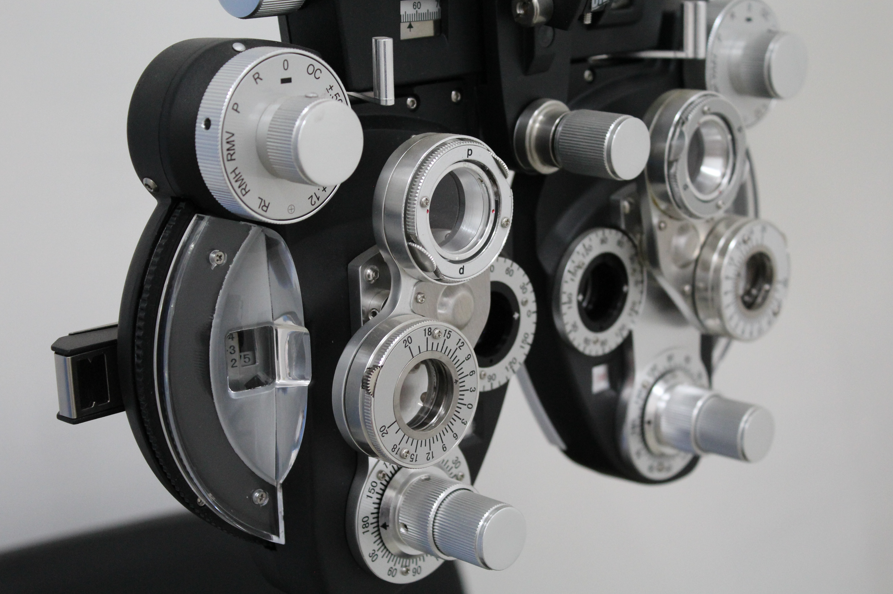
There are usually no warning signs of Diabetic retinopathy (DR), however early signs of DR can be detected through regular eye examinations. The procedure of such examination includes near and distant eye tests, a dilated eye exam (which allows the examiner to see through the pupil to the retina), and a tonometry test to measure the fluid pressure in the eye.
Patients with type 1 or type 2 diabetes, are at risk of developing neurovascular complications that can lead to Diabetic Retinopathy (DR). It is advised that “patients with diagnosed type 1 and type 2 diabetes should have a comprehensive dilated eye examination,” says Jacquie.
Smart Vision Optometry clinics are located in Sydney. Book a Smart Vision Comprehensive Vision Skills Assessment or Advanced Eye Health Test for any child or adult by calling the Bondi clinic (02) 9365 5047 or the Mosman clinic (02) 9969 1600, alternatively book an appointment online.
Current evidence and treatment context
The National Eye Institute’s retinopathy booklet describes the stages. They summarise findings, not a fixed timetable. Its treatment overview discusses injections, laser and surgery when indicated. Lifestyle and diabetes management support eye health but do not replace these treatments.
NDSS guidance distinguishes routine checks from more frequent care when required. Screening and follow-up of diagnosed retinopathy are not the same. Ask which stage is present, whether there is macular swelling, when to return and whether a specialist referral is needed.
Related interviews cover why diabetes eye checks matter, preparing for a screening appointment and eyes after 40.
When to seek urgent help
New vision changes should be assessed promptly. Sudden loss of vision, a curtain-like shadow or new flashes with many floaters needs urgent eye care. Do not wait for a routine diabetes review or assume that new symptoms are only a glucose fluctuation.
Frequently asked questions
Can diabetic retinopathy be present without symptoms?
Yes. Early changes may be present while vision seems normal. Keep the eye-check schedule recommended for you.
Does macular oedema occur only at one retinopathy stage?
No. Macular swelling can occur at any stage and is assessed separately because it can affect central vision.
Is the same follow-up schedule suitable for everyone?
No. Review timing depends on the findings, diabetes history, pregnancy and treatment needs. Follow the plan agreed with your eye-care team.
Diabetes eye checks in Bondi Beach and Mosman
Contact the Bondi Beach practice or Mosman practice for routine eye-care enquiries. Tell the team about diabetes, previous retinal findings and any new symptoms so the appropriate timing can be considered. Eye-health testing can help identify findings requiring specialist referral; urgent symptoms require urgent care.