Sydney Optometrists Highlight Long-Term Risks of High Myopia
While glasses and standard contact lenses correct blurred distance vision, they do not slow the structural changes occurring inside the eye.
Myopia (short-sightedness), once considered a simple refractive inconvenience, is increasingly recognised as a progressive eye condition with potential long-term health implications.
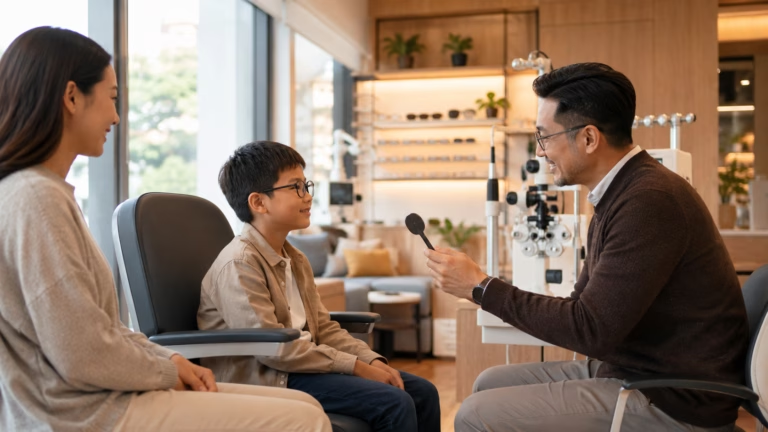
With childhood short-sightedness continuing to rise across Australia, optometrists are reporting strong interest in treatments that offer both daytime freedom from glasses and strategies to slow eye growth in younger patients.
Myopia—often called short-sightedness—has surged to become one of the most common causes of visual impairment worldwide. As incidence rises in children and adults alike, it has become a pressing public health issue demanding awareness and action. According to Gary Rodney, founder and creator of Smart Vision Optometry, Master of Optometry, Behavioural Optometrist and Fellow of…
Why This Matters Myopia (short‑sightedness) is rising globally, especially among children. It’s not just about needing glasses — high myopia increases risks of eye disease later in life. A proactive approach is now possible: orthokeratology (Ortho‑K) combined with behavioural optometry and vision therapy offers a way to manage and slow the progression of myopia, while…
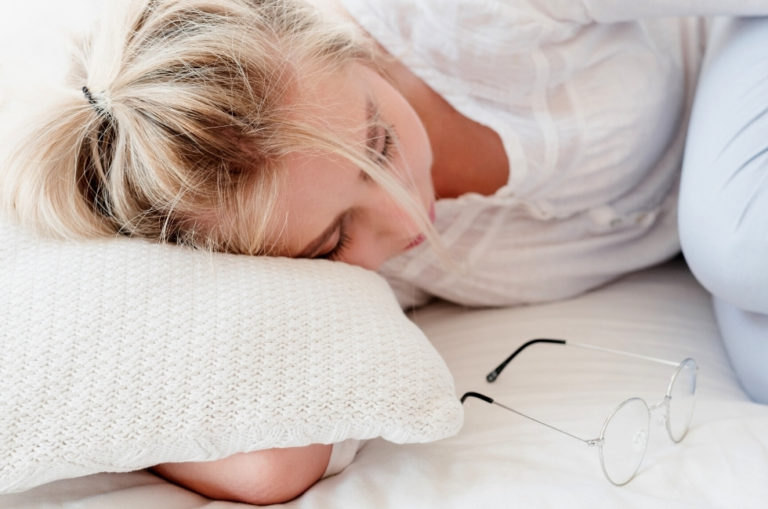
The Magic of Orthokeratology It’s called Orthokeratology, or Ortho-K, and it involves using contact lenses. But instead of wearing contacts by day, explains Gary Rodney, founder of Smart Vision Optometry in Sydney and Fellow of the International Academy of Orthokeratology and Myopia Control (FIAOMC), they are worn while you sleep. Orthokeratology is designed to guide…
Gary Rodney, the Founder of Smart Vision Optometry and a leading Smart Vision Optometrist at Eyes InDesign Mosman, discusses an alternative non-invasive surgery to correct and improve vision.
Life Without Daytime Glasses | Smart Vision Optometry, Sydney It’s called Orthokeratology, and it involves using contact lenses. But instead of someone wearing contacts by day, says Sydney behavioural optometrist and fellow of the International Academy of Orthokeratology and Myopia Control (FIAOMC), Gary Rodney, they will be wearing them while they sleep. Orthokeratology, or Ortho-K,…
End of content
End of content