SMART VISION · BONDI BEACH & MOSMAN
Teacher’s Resources
At a Glance
Teachers can record visual concerns, discuss them with families and support appropriate assessment. Classroom observations do not diagnose an eye condition or a learning disability. Keep educational support in place while health concerns are assessed.
Teacher’s Resources
Teacher Resources for Children’s Vision Care in Sydney
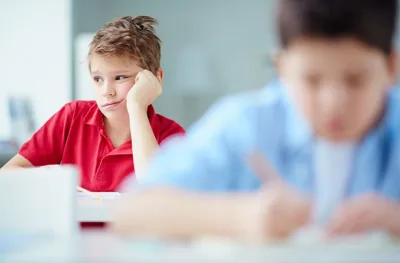
Teachers may notice when a student struggles to see the board, reports blur or finds close work uncomfortable. This guide suggests useful observations and ways to discuss concerns with families. Our Bondi Beach and Mosman practices can advise on eye appointments and current school-enquiry arrangements.
Importance of Vision in Learning
Clear, comfortable vision helps children access classroom tasks, but learning involves language, attention, teaching and many other factors. An eye examination can identify coexisting eye problems; it does not diagnose or treat dyslexia. AAPOS explains that dyslexia is language-based and that eye exercises have not been shown to improve academic performance in children with learning disabilities. Educational assessment and support should continue alongside eye care.
Common Signs of Vision Problems in Students
Record repeated observations and what the child says. These signs can have several causes and should not be used as a diagnostic checklist:
- Frequent Squinting or Blinking: Record when it occurs and whether the student reports blur or discomfort.
- Holding Books Close to the Face: Note the working distance and whether the child can see classroom materials comfortably.
- Difficulty Reading: Losing place or skipping words does not by itself show an eye-tracking disorder. Reading and language difficulties also need educational assessment.
- Frequent Headaches: Record timing and associated symptoms; persistent or concerning headaches need advice from a health professional.
- Poor Hand-Eye Coordination: Describe the activity and difficulty without assuming a visual cause.
How Teachers Can Help
Classroom Observations
Note the task, duration, seating position and the student’s own words. Share factual observations privately with the parent or carer through the school’s usual process. Avoid labelling a child with an eye condition based on classroom performance.
Vision Screening
Screening can identify children who need further assessment, but it is not a diagnosis or a complete eye examination. Follow the screening provider’s referral advice. For preschool communities, NSW Health’s StEPS program offers free screening for four-year-olds. Persistent concerns deserve advice even after a screening result.
Encouraging Regular Eye Exams
Encourage families to seek an eye assessment when there are visual symptoms or a screening referral. The clinician can advise on follow-up based on the child’s findings and risks. Treating an eye problem may improve visual comfort or clarity, but academic outcomes cannot be guaranteed.
Resources for Teachers
For background to share with families, read our guide to how sight and vision work together. Our children’s eye-care page and assessment information explain related services.
Schools can enquire about the following topics. Please confirm availability, format, consent arrangements and any fees with the practice before planning a session:
- Educator presentations: recognising visual concerns, recording observations and discussing referral pathways.
- Parent information sessions: what an eye examination can assess and how eye care fits alongside educational support.
- School screening enquiries: the proposed screening scope, its limitations, family consent and how results and referrals would be communicated.
Parents, teachers and learning-support staff can also enquire about presentation evenings. Contact the practice for current dates and arrangements.
Use our contact page for a school enquiry. An enquiry does not confirm an event booking or a free service.
Preparing for an Eye Assessment
- Share observations: Families can bring a teacher’s factual notes, with appropriate consent.
- Bring relevant information: Include current glasses, screening results and relevant health history.
- Ask about next steps: Discuss findings, treatment options, referral needs and follow-up.
Book an Eye Examination Today
If you have concerns about your child’s vision, arrange an eye examination at Smart Vision Optometry in Bondi or Mosman today.
Contact Us
For more information or assistance with booking, please contact our Bondi (02) 9365 5047 or Mosman (02) 9969 1600 practice directly. Our team can help with school enquiries, presentation availability and appointment information.
When enquiring on behalf of a school, please include your school name, year levels, preferred dates and the type of session you are interested in. Use the contact page to ask about arrangements and availability.
Can a teacher diagnose a vision problem?
No. Teachers can record concerns and discuss them with families, but an eye-care professional must assess visual symptoms. Classroom behaviour alone does not establish an eye condition.
Does an eye examination replace assessment for dyslexia?
No. An eye examination checks for eye and vision problems. Dyslexia and other learning difficulties need appropriate educational assessment and support, which should not be delayed while eye care is arranged.
How can a school enquire about a presentation or screening?
Contact the Bondi or Mosman practice with the school name, year levels, preferred dates and session type. Confirm availability, fees, consent and follow-up arrangements before making plans.
Care built around your individual needs
Discuss your needs with our Smart Vision behavioural optometrists. Your detailed assessment guides a personalised wellness treatment programme where appropriate.
Bondi Beach · Mosman