
Published: 18 July 2022 | Updated: 30 September 2026 | Author: Smart Vision Optometry
Editorial and clinical update — 30 September 2026: The original article/interview below is preserved from the pre-project WordPress revision, including its attributed quotations and editorial structure. This historical feature is retained in its original editorial form. Where older wording makes broad claims, current care should be based on a specific diagnosis, appropriate evidence and realistic treatment goals. Current evidence and guidance below should be relied on where older wording differs.
Eyes drops do’s and dont’s
Eye drops, like many health products, provide users with application instructions. However, people are not always accurately informed on the correct methods of eye drop application and overall hygiene standards.
Gary Rodney, Founder of Smart Vision Optometry and a leading Smart Vision Optometrist at Eyes InDesign, Mosman, aims to inform users of the precautionary measures when using eye drops, as well as the detrimental consequences of not adhering to the correct usage.
When applying eye drops, ensure that hands are washed thoroughly with soap and water. “Dirty hands are the biggest risk when applying particular products to the eyes, and can easily transfer dirt and other particles that can irritate the eyes and lead to eye infections,” says Rodney. He goes on to say that, “only about 5% of people wash their hands properly and this concerning figure should be emphasised to spur an urgent change in hand hygiene. With soap and water, hands should be washed for at least 20 seconds, covering the overall surface of both hands.”
Ensure that the eye drop tip, or the dropper tip is not chipped or damaged, and is also clean. Should the dropper tip have cracks or damages, do not proceed to use the product and purchase a new one from the nearest pharmacist.
“To ensure that the dropper tip is bacteria-free, and the solution is not contaminated, do not let the dropper tip make contact with the bare eye, eyelashes or eyelids when applying the eye drops,” says Rodney.
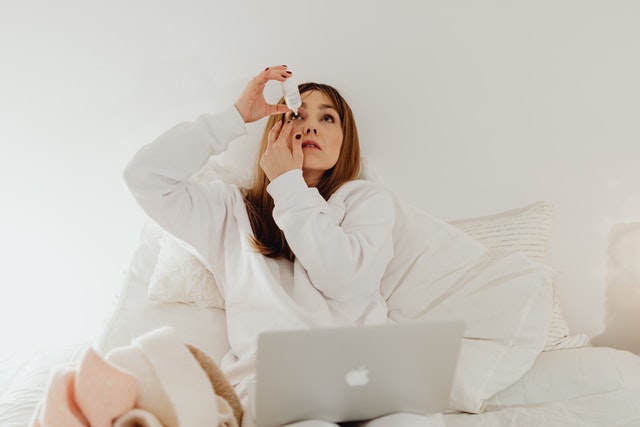
To correctly apply the eye drops, one should practice the following hygienic steps: Tilt the head back and proceed to look up. With clean hands, pull the lower eyelid down with either one or two fingers, creating a small pouch for the drops to enter. Then, with the other hand, position the eye drop bottle upside down with dropper tip above the pocket. Gently squeeze the prescribed amount of eye drops in to the pocket of both eyes. Lastly close both eyes for about a minute, with the head tilted down and do not squeeze or blink the eyes during this process to enable the eye drop solution to attain full surface coverage and absorption. In addition, one should not rub the eyes after applying the eye drops. Interfering with the application will disrupt the solution’s purpose.
“Following the hygienic steps as outlined above, can help avoid serious eye infections such as Keratitis, Conjunctivitis, Styes and other eye-related infections,” says Rodney. Holistically, healthy vision and sight are important in connecting with the environment. Proper hygiene stands as the foundational platform in healthy vision as well as eye health maintenance, and must be practiced religiously.
Smart Vision Optometry clinics are located in Sydney. Book a Smart Vision Comprehensive Vision Skills Assessment or Advanced Eye Health Test for any child or adult by calling the Mosman clinic (02) 9969 1600 or the Bondi clinic (02) 9365 5047, alternatively book an appointment online.
Current evidence and clinical context
Moorfields Eye Hospital’s application guide recommends clean hands and avoiding nozzle contact. When using different drops in the same eye, allow five minutes between them. Product-specific instructions and your prescription take priority.
The original interview’s instruction about both eyes should not override a prescription for one eye. Its handwashing percentage is not verified here.
Related Smart Vision reading
Dry-eye assessment and treatment · Comprehensive eye assessment
Frequently asked questions
Should I automatically put drops in both eyes?
No. Use them in the eye or eyes specified by your prescription or product instructions.
Can the bottle tip touch my eye?
Avoid contact with the eye, eyelashes and skin to reduce contamination.
What if I struggle to apply my drops?
Ask a pharmacist or clinician about a demonstration, an application aid or a suitable alternative container.