
SMART VISION · BONDI BEACH & MOSMAN
Eye Care for Additional Support Needs
At a Glance
Eye care should be adapted to the person’s symptoms, health, communication and support needs. Discuss adjustments before booking. Treatment is based on an identified eye condition, with appropriate medical or developmental care alongside it.
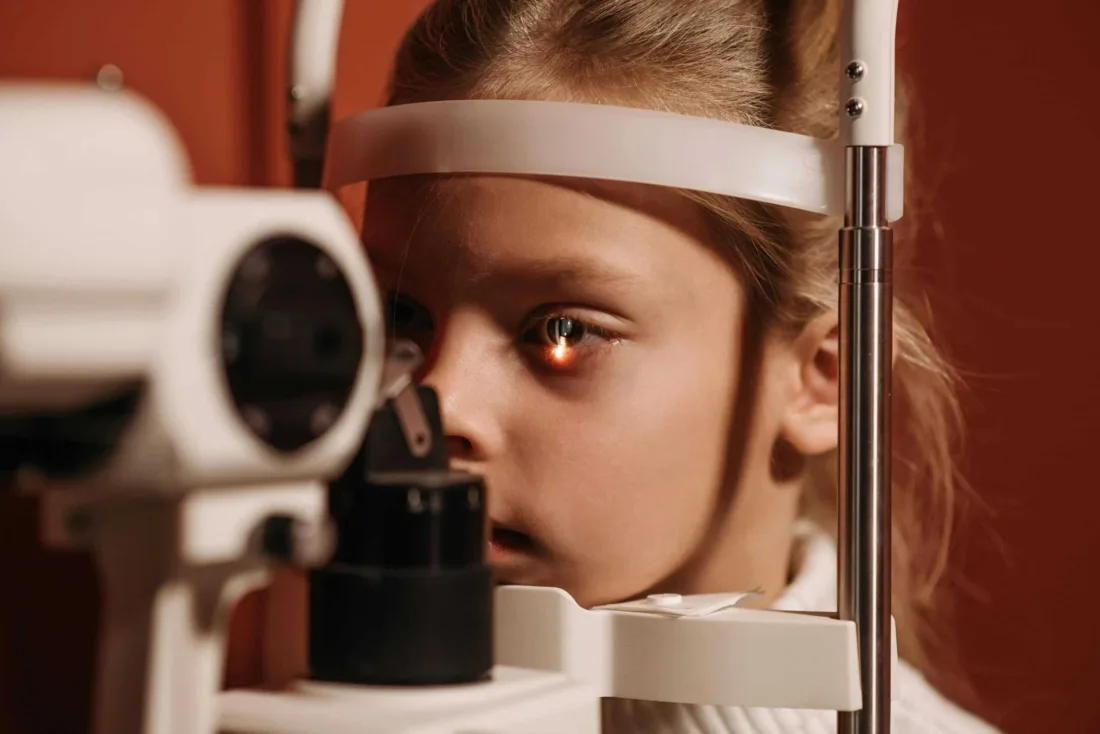
Eye Care for People with Additional Support Needs
People with disability, developmental differences, a brain injury or other health conditions may need adjustments to how an eye examination is planned and carried out. Our Bondi and Mosman practices can discuss individual visual symptoms, communication preferences and support needs before an appointment.
Eye Care for Children
Children can have eye conditions such as refractive error, amblyopia or strabismus, whether or not they have another diagnosis. Assessment and follow-up depend on age, symptoms, screening findings and medical history. Our children’s vision guide explains common concerns. Eye care should sit alongside any required developmental or educational support.
Common Vision Problems in Children
- Amblyopia: Reduced vision arising during visual development. Management is based on the cause and may include glasses and clinician-directed treatment; do not start patching without advice.
- Strabismus: Misalignment of the eyes. The type, cause and effect on vision determine management and whether specialist referral is needed.
- Myopia: Distance blur from shortsightedness; an examination can assess prescription and management options.
Eye Care for Autistic People
Autistic people may have sensory or communication preferences that affect an appointment. Tell us about lighting, touch, instructions, breaks or a support person that may help. Eye care should identify and manage an individual eye condition; a difference in eye contact does not by itself identify a visual disorder. Healthdirect’s autism information explains the importance of individualised support. We do not promise that eye exercises, prisms or light-based treatments will change autism or improve social or academic outcomes.
Planning an Accessible Appointment
- Planning together: Explain preferred communication, sensory needs and helpful adjustments when booking.
- Consent and comfort: Discuss the purpose of each test and any need for breaks or an alternative approach.
Eye Care for Individuals with Traumatic Brain Injury (TBI)
Brain injury can affect vision as well as other functions. Healthdirect explains acquired brain injury and rehabilitation. Report blur, double vision, reading discomfort or new visual difficulties to the treating medical team. Eye assessment should be coordinated with appropriate medical or rehabilitation care; the diagnosis determines whether correction, symptom management, referral or a specific treatment is appropriate.
Assessment After Brain Injury
- Diagnosis-specific advice: A treatment recommendation should explain the visual problem being addressed and how progress will be reviewed.
- Coordinated care: Share relevant reports from the medical or rehabilitation team and agree on follow-up.
Eye Care for People with Fragile X Syndrome
Fragile X syndrome affects people differently. Avoid assuming a particular learning style or treatment response from the diagnosis alone. Bring relevant reports and discuss eye symptoms and support needs. Healthdirect’s fragile X overview describes broader management and support. An eye-care plan addresses identified visual needs and does not replace developmental or medical care.
Eye Care for People with Down Syndrome
People with Down syndrome have an increased risk of several eye conditions, including refractive error, eye misalignment, cataract and keratoconus. AAPOS explains these conditions and childhood eye follow-up. Discuss an age-appropriate plan with the child’s paediatrician, ophthalmologist or optometrist; treatment depends on the actual findings.
Individual Assessment and Follow-up
- Individual follow-up: The schedule reflects age, eye findings and medical advice.
- Clear next steps: Ask for an explanation of the findings and any referral or treatment options.
Our Comprehensive Eye Care Services
Thorough Eye Examinations
Our eye-test overview describes the starting point. Testing may include clarity, prescription, eye alignment and eye health, adapted to the person and the clinical question. If a test cannot be completed, the clinician should explain the limitation and whether another visit or referral is needed.
Individual Care Plans
A plan may include glasses, monitoring, further testing or referral to an ophthalmologist or another practitioner. Ask about the purpose, evidence, likely benefits, limitations and alternatives before starting a treatment. A diagnosis such as autism, fragile X or brain injury does not automatically mean vision therapy is indicated.
Ongoing Monitoring and Support
The review interval depends on the person’s age, diagnosis, treatment and other health needs. Bring a medication list and relevant medical information, including diabetes or other conditions that may affect eye care. New or worsening symptoms may need earlier review.
Smart Vision Skills Assessment
The video illustrates some tests used in a vision skills assessment. Not every person needs every test, and an assessment demonstration does not establish a treatment benefit for a particular diagnosis. Our related SVO article on sight and vision explains why distance clarity is only one aspect of an examination.
Watch smart vision skills assessment on its dedicated viewing page.
Preparing for Your Visit
- Preparation: Tell us about previous examinations and what helped or was difficult.
- Support needs: Discuss communication, sensory, mobility or support-person needs in advance.
- Practical details: Confirm appointment arrangements, access and fees with the Bondi or Mosman practice.
What should I tell the practice before booking?
Explain the reason for the visit, communication or sensory preferences, mobility needs, relevant diagnoses and whether a support person will attend. Ask which adjustments can be arranged.
Does a developmental diagnosis mean vision therapy is needed?
No. An individual eye assessment is needed. Any treatment should address a defined visual problem, with an explanation of the evidence, alternatives and review plan.
What if a standard eye test is difficult to complete?
Tell the clinician what is difficult. The approach may need to be adapted, staged across appointments or supported by a referral. Ask what was assessed, what remains uncertain and what follow-up is recommended.
Book Your Specialised Eye Care Consultation Today
Contact the practice before booking to discuss the reason for the visit, accessibility or communication needs, and any previous difficulty with testing. We can clarify what can be arranged and whether another service or referral may be more appropriate.
Contact Us
For appointment enquiries, call Bondi (02) 9365 5047 or Mosman (02) 9969 1600. Sudden vision changes or severe eye pain need urgent assessment rather than a routine online booking.
Care built around your individual needs
Discuss your needs with our Smart Vision behavioural optometrists. Your detailed assessment guides a personalised wellness treatment programme where appropriate.
Bondi Beach · Mosman