Published: 28 October 2022 | Updated: 29 September 2026 | Author: Smart Vision Optometry
Editorial and clinical update — 29 September 2026: The original article/interview below has been restored from the verified pre-edit recovery source, preserving its editorial structure and attributed quotations. Current evidence and guidance below should be relied on where older wording differs.
Eye Twitching: What Are Those Causes
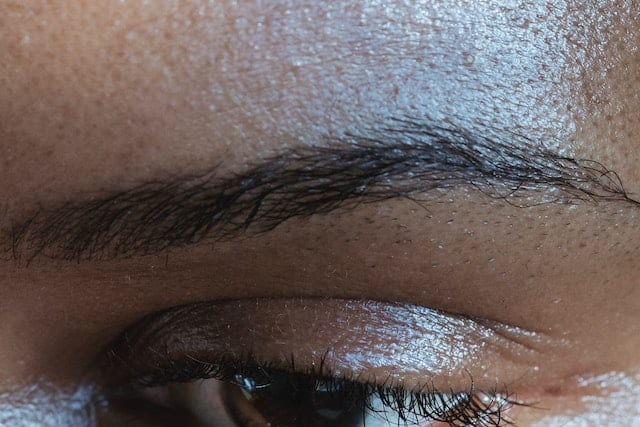
Eye twitching or myokymia is an uncontrolled, repetitive squeezing or twitching of the eyelids. An eye twitch is sometimes referred to as an eye spasm. A twitch normally happens on the upper lid but it can occur in both the upper and the lower lids.
Jacqueline Gattegno, a Smart Vision Behavioural Optometrist at Eyes InDesign Bondi, sheds light on the different kinds of eye twitches. “Eye twitches can be classified into three types. The first is a general eye spasm, the second is a Benign Essential Blepharospasm and the third is a Hemifacial Spasm,” explains Jacqueline.
A general eyelid spasm is the most common type of eye twitch and usually has no cause for concern. This type of twitching can be caused by environmental factors and generally disappears with rest. However, if these twitches persist, it is advised to speak to an eye care professional.
A benign essential blepharospasm is a long-term or chronic type of eye twitching. This type of eye twitching causes blurry vision, facial spasms and increased sensitivity to light.
A hemifacial spasm normally only affects one eye. It is usually caused by a blood vessel adding extra pressure to one of the facial nerves. This disorder is more common in women and also more common in people from Asia. If left untreated it can cause consistent and uncontrollable eye twitching, inability to open eye and twitching of all muscles on one side of the face.
“There are many different factors that can cause eyelid twitching,” suggests Jacqueline. Generally, eyelid spasms are caused or made worse by eye strain, environmental irritants, fatigue, stress, dry eyes, medication side effects, light sensitivity, conjunctivitis or migraine episodes. Normally eye twitches are no cause for concern. However, chronic eyelid twitches could be a sign of a more serious brain or nervous system disorder. If this is the case, twitches are almost always accompanied by other symptoms. It is important to know when eyelid twitches require medical attention. A doctor may need to be contacted if the eye is red, swollen or has an unusual discharge, the upper lid is drooping, the eye completely shuts when the eyelid twitches, twitching continues for several weeks, and if the twitching affects other parts of the face.
Most eyelid twitches go away within a couple of days or weeks without treatment. If it does not go away, try to eliminate or minimise possible causes. “Some ways to relieve eye twitching are to drink less caffeine, get enough sleep, keep eyes moist with over-the-counter eye drops and to apply a warm compress over the eyes when the spasms begin,” says Jacqueline. If a doctor advises that intervention is needed, antibiotics or surgery might be suggested.
If eye twitching persists, it is crucial to book a session with a Smart Vision Behavioural Optometrist to undertake a Comprehensive Vision Skills Assessment in order to detect any problems with the eyes. At Eyes InDesign Bondi, a unique vision wellness treatment for the issue can be developed.
Smart Vision Optometry clinics are located in multiple suburbs in Sydney. Book a Smart Vision Comprehensive Vision Skills Assessment or Advanced Eye Health Test for any child or adult by calling the Mosman clinic (02) 9969 1600 or the Bondi clinic (02) 9365 5047, book an appointment online.
Current evidence and clinical context
NHS guidance on twitching describes links with tiredness, stress, caffeine and some medicines. It recommends medical review for persistent or more widespread symptoms and advises against stopping prescribed medicine without medical advice.
The original article describes several different conditions. Their treatments are not interchangeable: an ordinary intermittent eyelid twitch does not by itself indicate a need for antibiotics or surgery.
Related Smart Vision reading
Dry-eye information · Comprehensive eye assessment
Frequently asked questions
What can help an occasional eyelid twitch?
Rest, relaxation and reducing excessive caffeine may help.
When should I see a GP about twitching?
Seek review if it lasts more than two weeks, affects more than one place, or comes with weakness or stiffness.
Should I stop a medicine that might be causing twitching?
No. Discuss it with your prescriber before changing a prescribed medicine.