Published: 14 April 2021 | Updated: 28 September 2026 | Author: Smart Vision Optometry
Editorial and clinical update — 28 September 2026: The original article/interview body below is retained in its editorial form, including its attributed quotations and narrative structure. Current evidence and clinical guidance are presented separately below and should be relied on where older wording or claims differ.
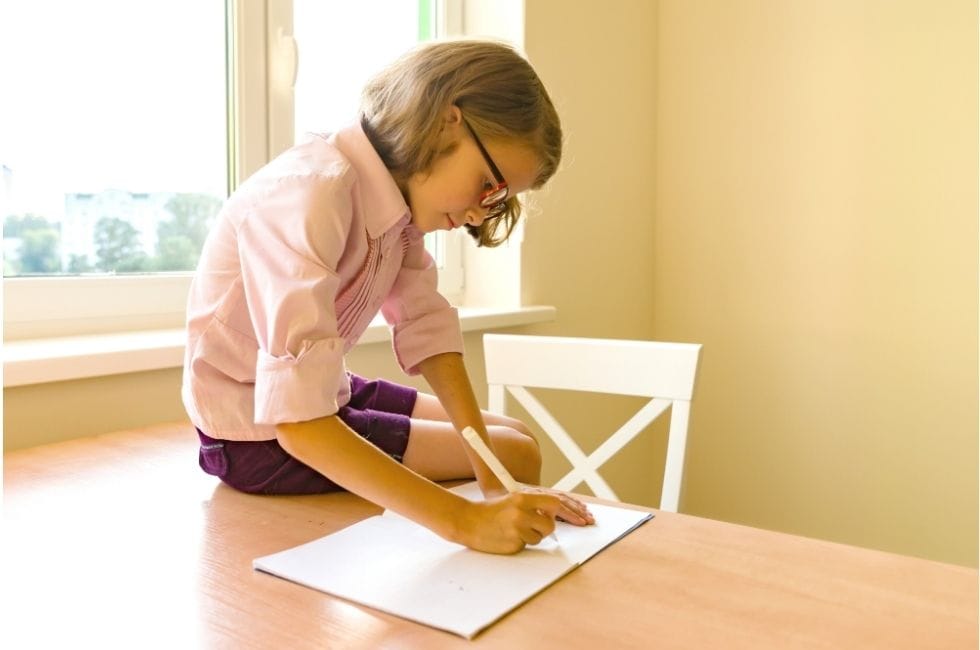
With homeschooling becoming increasingly popular even before Covid-19 lockdowns made it a must, more families, armed with lockdown experience and easy access to digital material, are likely to choose this way to educate their children. But eye vision experts like Australian behavioural optometrist and fellow of the International Academy of Orthokeratology and Myopia Control (FIAOMC), Gary Rodney, are concerned that if it’s not applied correctly, this way of learning could impact on children’s vision and affect the way they see learning, the world around them, and their place in it.
According to Rodney, the homeschooling approach to learning, with its flexibility in regard to the curriculum and free choice in terms of how, where and at what rate it’s supplied, provides an ideal opportunity, often not possible in public schools, to include some important extras in the home curriculum which will both protect children’s visual perception and, at the same time, allow parents to keep their own eyes open to any signs of vision problems, and take action if they do so. However, not taking advantage of this opportunity could have the opposite result.
Learning by Seeing, Doing and Experiencing
Recommended steps include controlling screen time spent on both learning and entertainment; ensuring that regular physical exercise is part of the homeschool day; providing opportunities for children to focus on real objects at various distances; and taking frequent breaks outdoors engaging with the natural world under natural light.
Specially when it comes to young children, Rodney recommends that learning tools such as puzzles, building blocks, and other educational toys should be used. Demonstrations, participation, and discussions on learning subjects should be included, to make learning fun, and real, and so assist in the development of children’s visual perception skills, which are vital for making what’s seen or read meaningful and usable in their lives.
Clues Provided by Lockdowns
“The lockdowns, in addition to providing parents with a trial run on homeschooling, also supplied researchers with data regarding the side-effects of indoor lifestyles and schooling on children’s sight and vision health, and on their attitudes, behaviour and performance when learning, as well as how much they participated and connected with the process,” Rodney says.
“Results were both positive and negative. On the one hand, academic outcomes seemed better than those produced in the classroom. However, the researchers also saw a significant decline in homeschoolers’ levels of applied thinking, engagement, application, and interest in the process, so lessening their understanding regarding what they saw on screens.”
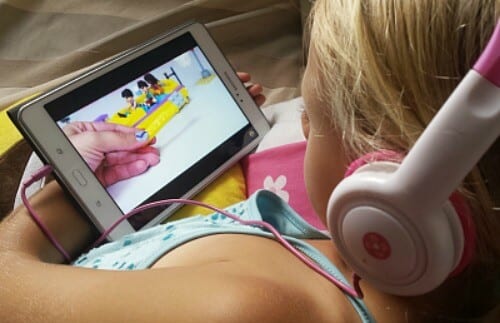
He says studies also showed a considerable rise in the number of very young children with myopia (shortsightedness), a refractive error which affects children’s ability to see anything that isn’t very close to them. And some researchers linked this directly to screen time during which the eyes maintain the same short focal length for long periods and viewers tend to forget to blink.
How the Visual Process Works
Sight is considered the most important of our senses as it collects about 80% of the information people need to respond to threats, understand the world around them, how to function in it, and where they fit into it. However, this information is initially received in an unusable “raw” state in the form of data provided by light rays which land in the eyes.
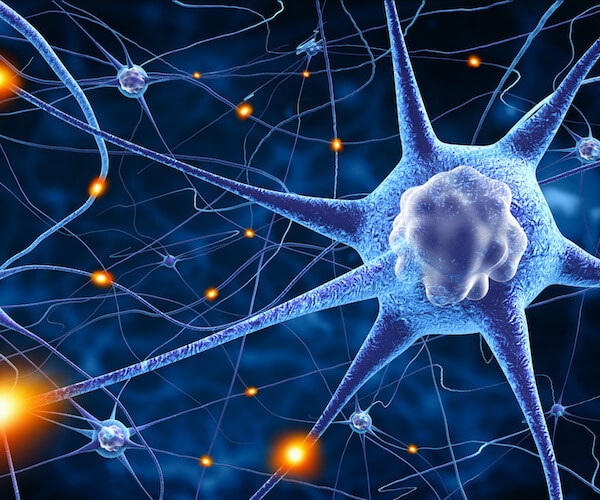
“It’s the very complex visual system lead by the brain that’s responsible for processing this data from electrochemical signals into meaningful information that can be understood and used by those who ‘saw’ it,” Rodney says.
To achieve this the brain relies mostly on built-up memories of shapes and sizes, construction, textures, colours and locations, to transform this data into thought processes which put it into perspective by setting it in context and giving it a meaning the viewer can understand, respond to, and apply.
Information Mustn’t be Compromised
If the eyes, the original data, the processing system, or the processed information provided by the brain in the form of a thought image, is compromised in any way, including by how, when, and where it’s delivered and experienced, this can impact on sight, vision, behaviour, and physical and social activity.
Rodney says where problems could arise is if homeschoolers are allowed to spend too much time studying on computers or spend most of their time indoors, as both have been shown to impact on vision health and visual perception.
He says the jury is still out as to how much the single and short focal distance involved in screen viewing affects the data received by the eyes and brain. But concerns exist that because the screen information is not real, remains static (even if it’s supposedly moving), has no depth, and therefore no association with the brain’s memory bank, it may not fully meet the brain’s processing requirements, and therefore not be presented as information which is fully understandable and usable.
HEAR: Ultra106.5FM Interview with Gary Rodney – Covid and Myopia: What you need to know!
For more information on myopia prevention and management, perceptual vision, or to book an appointment for a visual perception test online, visit the Smart Vision website: Optometrists Sydney: Optometry Services For Children and Adults | Smart Vision; for specific information about Myopia treatment and prevention visit Myopia Prevention: Solutions, Control And Treatment In Sydney; and for detailed information about Myopia Treatment visit Orthokeratology In Sydney: The Non Surgical Alternative.
Book an appointment for a thorough eye check-up or Call the Bondi clinic on (02) 9365 5047 or the Mosman clinic on (02) 9969 1600.
Current evidence and clinical context
The Australian movement guidelines for ages 5–17 recommend no more than two hours of sedentary recreational screen time per day. Required schoolwork is excluded from that limit. The same guidance recommends breaking up long periods of sitting and allowing time for physical activity and sleep.
The National Eye Institute’s overview of childhood myopia research reports that children who spent more time outdoors were less likely to become short-sighted. This does not mean that outdoor time guarantees prevention or replaces care for a child who already has myopia.
Related reading
digital eye-strain guide for children; functional-vision guide; myopia-control guide.
Frequently asked questions
Does the two-hour recreational screen guideline include required schoolwork?
No. For ages 5–17, the Australian recommendation concerns sedentary recreational screen time. Schoolwork is excluded, but long periods of sitting should still be interrupted.
Does outdoor time replace myopia treatment?
No. Outdoor opportunities are a useful habit, but a child with diagnosed myopia still needs an individual eye-care plan and follow-up.
Can a home-learning checklist diagnose a visual problem?
No. A checklist can help families describe symptoms and routines. A diagnosis requires appropriate assessment.
Related interview and local eye care
Listen to the original Ultra106.5FM interview with Gary Rodney about COVID and myopia for the historical discussion accompanying this article. Use the updated guidance above for current context.
Contact the Bondi Beach practice or Mosman practice to discuss a child’s symptoms and an appropriate appointment.