Published: 25 August 2015 | Updated: 28 September 2026 | Author: Smart Vision Optometry
Editorial and clinical update — 28 September 2026: The original article/interview below is preserved from the pre-project WordPress revision, including its attributed quotations and editorial structure. Myopia-control claims should distinguish correction from progression control. Ortho-K temporarily changes corneal shape and requires ongoing wear, hygiene and follow-up; it does not permanently cure myopia. Current evidence and guidance below should be relied on where older wording differs.
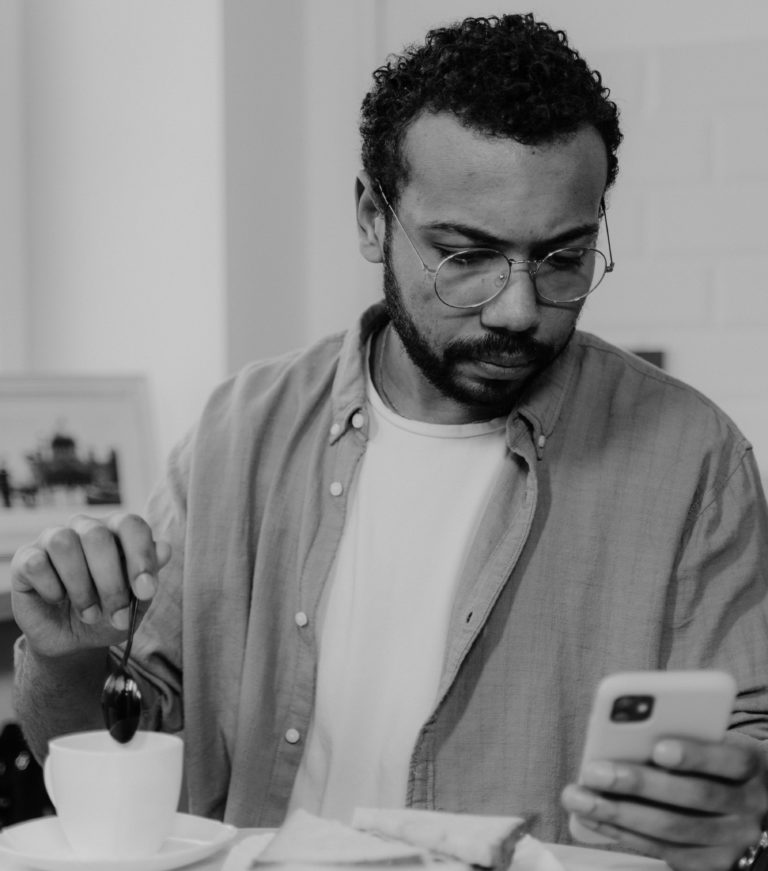
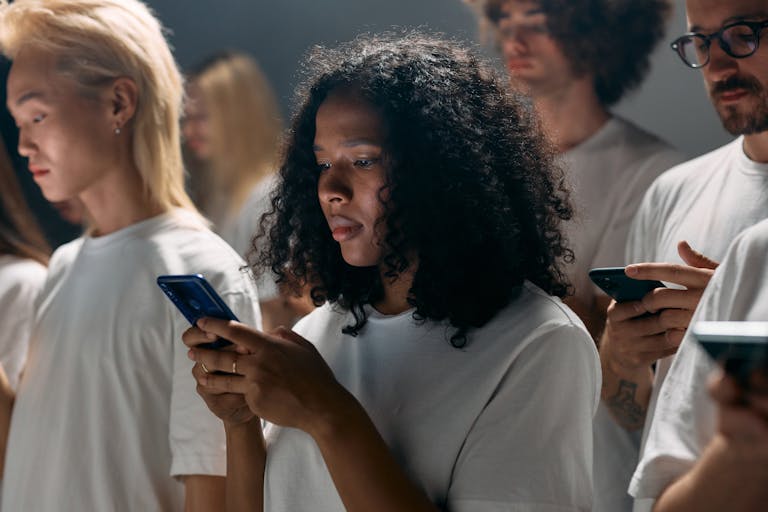
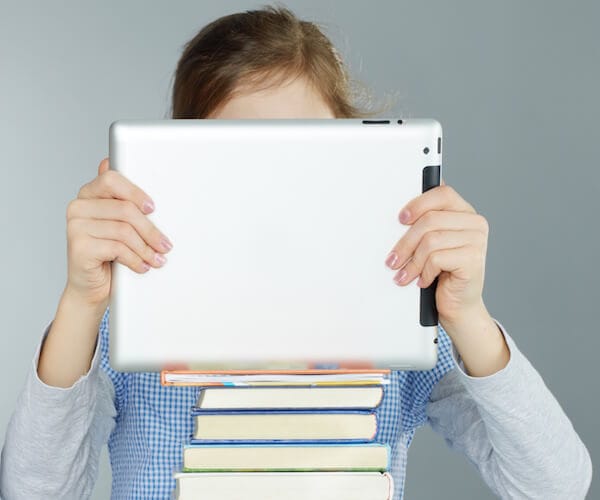
Having watched my two young daughters become obsessed with the iPad has given me a very clear understanding of the insidious danger that technology presents for our children’s eyes. They seem so drawn and motivated by anything that they can devour on the iPad. This simply transfers to computers and other screens as they grow older. iPads have even been introduced into most kindergarten curriculums. This is a scary thought.
Technology and Kids’ Eyes: A Cause for Concern?
However, this doesn’t mean to say it is all bad. The advantage is that this type of technology can be the window to the world. Any information that we want to source on virtually any topic is available at our fingertips. This is not to mention social contacts and games along with a myriad of other hobbies and interests that the Internet provides us with.
The disadvantages, though, are what startle me as a Behavioural Optometrist. That is, the fact that our world’s population is becoming progressively shortsighted. Myopia – or shortsightedness – is the optical condition requiring glasses or some sort of optical correction in order to see clearly in the distance. A huge amount of research is starting to occur surrounding this condition, due to its massive increase in the population in recent times.
A study carried out in Taiwan, in 2012, showed that a simple increase of time spent throughout the day on outdoor activities had a significant effect on myopia onset and myopic shift [1]. Did you know that in Taiwan, children under the age of 2 are banned from using any electronic devices? Parents who allow children to use iPads and smartphones face fines. Children under the age of 18 are only allowed devices for a ‘reasonable’ length of time. Parents found guilty of allowing this excessive electronic use are fined US$1,500 [2].
So, what do we know so far? We know that myopia can come about as a result of genetic or inherited tendencies (but we don’t need to have this tendency to become shortsighted). We know that myopia can occur as a result of eye strain at the reading distance (of which you may not even notice). We also know that prolonged concentrated attendance at the reading distance and less daily outdoor activities in natural sunlight are significant factors contributing to myopia.
Myopia develops faster when it develops in children of younger ages [3]. Early onset of myopia in children is associated with high myopia in adult life. High myopia is a significant public health problem because of its association with increased risk of several ocular diseases including cataract, glaucoma, retinal detachment, myopic retinal degeneration, visual impairment and blindness. I repeat: this is a scary thought!
A large part of my day is spent preventing, minimising and stopping myopia in children. The following lists some of the visual habits that we have developed based on evidence-based research to assist in controlling the risk of myopia progression in children and adults:
• Always wear your prescription reading glasses when viewing anything within your arm’s length or closer. This includes iPhones, iPads, Gameboys and other devices.
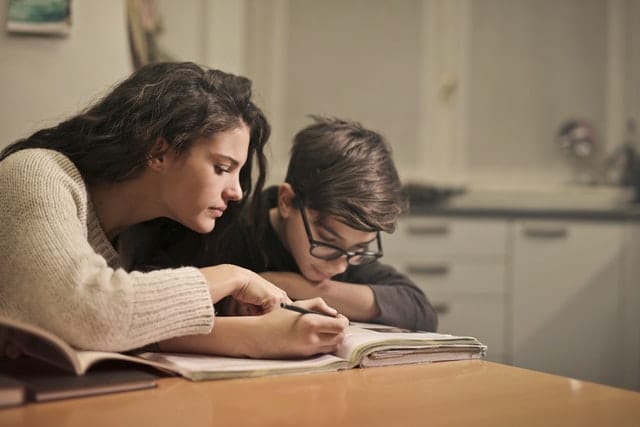
• Viewing distance (the distance between your eyes and the screen or book) should never be closer than the distance from your elbow to your fist when your fist is placed on your chin.
• Ensure good lighting when reading, using the computer and watching TV. Never do it in a dark room.
• For reading, have two light sources – a room light and a direct light on the page or task.
• After every page or 5 minutes looking at the screen, look out a window and defocus.
• Get up and do something else every 15 minutes for a child and every 30 minutes for a teenager.
• In an ideal world, spend equal amounts of time outdoors (using peripheral vision) and indoors (using central vision). Sports such as netball and soccer are great for promoting this balance.
• Read globally. When reading and using the computer, try to look for “less detail”. Be aware of everything else peripherally around the book.
• Minimise or eliminate iPhone and iPad use completely.
• Complete your maintenance vision therapy where prescribed by your Behavioural Optometrist.
READ MORE:
Eye Examinations for Kids
[1] Wu, P. C et. Al (2012). Outdoor activity during class recess reduces myopia onset and progression in school children. American Academy of Ophthalmology. 11: 1080-84.
[2] The Straits Times, January 28th 2015.
[3] Gwiazda, J. et al. (2007). Factors associated with high myopia after seven years of follow up in the correction of myopia evaluation trial. Opthalmic Epidemiol. 14:230-7.
Current evidence and clinical context
The National Eye Institute’s myopia guide explains that myopia is a refractive error diagnosed with an eye examination.
For contact-lens based options, CDC guidance stresses keeping lenses away from water and following the prescribed care routine.
Related Smart Vision reading
Myopia control and management · Digital eye strain · Digital eye strain in children
Frequently asked questions
Does clearer vision mean myopia has stopped progressing?
No. Correction can make vision clear while the underlying myopia may still change.
Is one myopia-control treatment right for everyone?
No. Suitability depends on prescription, age, eye health, progression and practical factors.
Does Ortho-K permanently cure myopia?
No. Its effect is temporary and requires ongoing wear and review.