Published: 22 October 2020 | Updated: 28 September 2026 | Author: Smart Vision Optometry
Editorial and clinical update — 28 September 2026: The original article/interview below is preserved from the pre-project WordPress revision, including its attributed quotations and editorial structure. Dyslexia and other learning difficulties are not caused simply by eyesight. Treat any diagnosed visual condition for its own clinical purpose while continuing appropriate educational or developmental assessment and support. Current evidence and guidance below should be relied on where older wording differs.
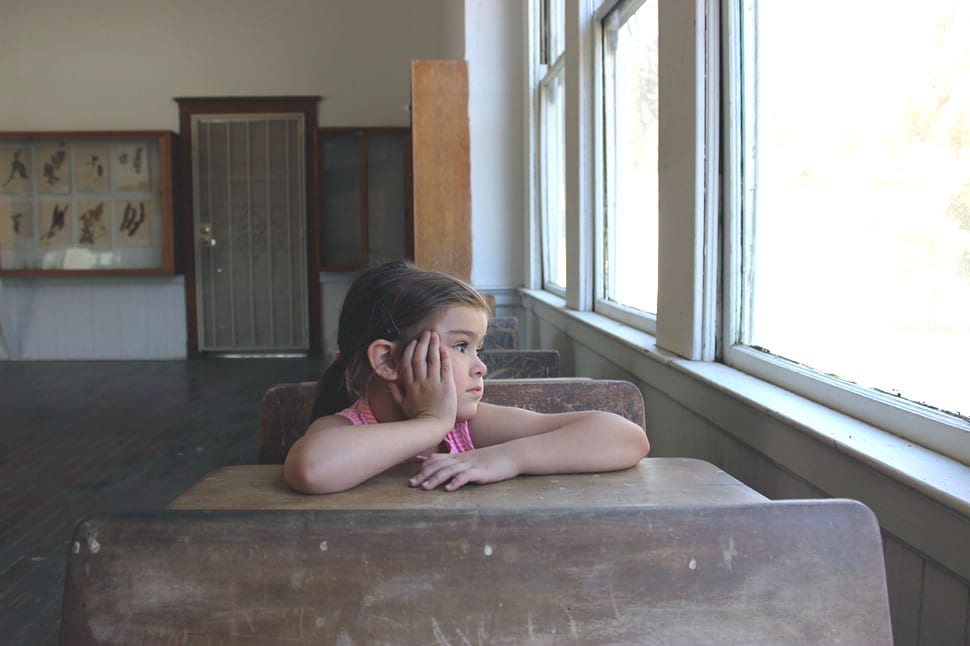
A standard eye test with a perfect 20/20 eyesight score doesn’t prove all’s well with a child’s visual system any more than a school report stating that a child’s ready to start the next grade is a guarantee they will get anywhere near reaching their potential, according to Australian behavioural optometrists Gary Rodney and Jacqueline Gattegno. They say these reports also won’t reveal the often undetected or overlooked vision problems that statistics show, one in four schoolchildren (including some with 20/20 eyesight) are silently dealing with, without even realising they exist. And ultimately it may be left to low performance and aberrant behaviour in class to finally reveal them.
Not All Normals are Normal
According to Gattegno, children, and often those around them, are totally unaware that there’s a vision problem, and are therefore unlikely to realise that vision errors could be behind low learning performance, and unexpected classroom behaviour which doesn’t seem to be in sync with the child’s personality traits or cognitive development.
She says children don’t really see their vision as being anything but normal, because they haven’t experienced anything else. And while they may realise that they don’t see or experience things the same way their classmates do, they may tend to be reticent about discussing it with those around them, so many parents and teachers are left in the dark.
Getting to the Bottom of Behaviour Problems
Rodney, founder of the Smart Vision Optometry system based in Sydney, says vision problems impacting on learning skills and classroom behaviour often involve focusing and eye-tracking issues, or a lack of teamwork between the eyes. These can affect the way children see their lives and how they function in them, and they can certainly impact on their understanding or perception of what is seen in the classroom, and how they react to it.
He says that to work perfectly the visual system needs uninterrupted and perfect teamwork between the eyes and brain. The eyes harvest information provided by light rays and transmit it to the brain, where this information is decoded and processed into understandable and usable images. Any glitches in this system or shortfalls in the teamwork can bring about a similar outcome to that of a single player who’s out of form on match-day and so causes a sports team to lose a match which seemed like a certain win.
Rodney says that, similarly, the out of sync behavioural patterns could be indicating that at least one team player is not performing well in the visual team, resulting in children having difficulty paying attention or concentrating; avoiding certain activities like reading or playing sport; and being reluctant when it comes to answering questions or really engaging in classroom discussions.
Vision Testing and Therapy May be the Solution
Fortunately, he says these patterns, and the vision problems causing them, can be identified by testing for visual perceptual and functional skill deficits, and any eye deficiencies which could be causing them. And in many cases these can be corrected using vision therapy provided this intervention is done timeously.
On the other hand, relying solely on regular eye-tests could mean that these vision dysfunctions and impairments, which affect the way people see objects and interpret what they are seeing, can go untreated, or be misdiagnosed as a neurodevelopmental disorder such as ADHD, or other learning disorders like dyslexia.
For more information on behavioural optometry, perceptual vision, vision therapy and its importance, or to book an appointment for a thorough eye or vision check-up,visit the Smart Vision website: Optometrists Sydney: Optometry Services For Children and Adults | Smart Vision; for specific information about Myopia treatment and prevention visit Myopia Prevention: Solutions, Control And Treatment In Sydney; and for detailed information about Myopia Treatment visit Orthokeratology In Sydney: The Non Surgical Alternative.
Book an appointment for a thorough eye check-up or Call the Bondi clinic on (02) 9365 5047 or the Mosman clinic on (02) 9969 1600.
Current evidence and clinical context
AAPOS guidance on learning disabilities separates learning difficulties from treatable ocular conditions.
AAPOS guidance on vision therapy distinguishes selected binocular-vision treatment from claims that behavioural or perceptual therapy treats dyslexia or learning disability.
Related Smart Vision reading
Smart Vision Skills Assessment · Vision problems in children · Dyslexia and vision problems
Frequently asked questions
Can an eye test diagnose dyslexia or a learning disability?
No.
Can a child have both a learning difficulty and an eye condition?
Yes.
Should educational support wait for eye treatment?
No.