Written by Justine Tucker, Senior Vision Therapist
If you google Virtual Reality and Vision Therapy you get tonnes of research, videos, publications, media links and case studies. If you want to know specifically about Vivid Vision VR training their website (seevividly.com) has heaps of links and data, as does our Smart Vision Optometry website.
I’m not writing this blog to give you this information though. Put simply, we wouldn’t have bought and used the system (successfully might I add) if there wasn’t a scientific and evidence-based foundation to it. Instead, I’m going to tell you the story of our first encounter with VR in the Vision Therapy room and how we decided Vivid Vision was going to be a good fit for Thompson Larter, Smart Vision Optometrists.
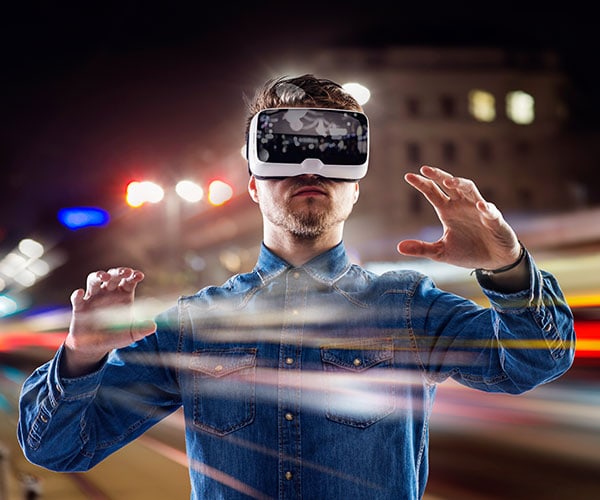
A few years ago we were approached by the Vivid Vision team. They had a VR headset, a computer and a lot of big promises. They said that we could treat strabismus (eye turn), fix amblyopia (lazy eye) and pretty much cure convergence insufficiency (poor eye teaming up close). They showed us the games and impressed us with the technology. But I had a request…well a demand really: prove it works.
I asked one of my most challenging patients into the office. 14-year-old Abigail had never seen the world in 3D and while we had been making gains in Vision Therapy, I desperately wanted to do better for her. I told the Vivid Vision team that if they could show me it work on her we would buy it. A big statement considering I don’t really own the company or pay the bills but lucky my bosses trust me eh?
Tuan Tran, chief optometrist and founder of Vivid Vision, never gave my request a second thought. You see in 2014 James Blaha (now Vivid Vision CEO) had a very big goal to correct his own strabismus and amblyopia, he had programmer Manish Gupta to help him but he needed someone with eye care expertise. These three men created this program and then travelled the world literally watching it work for everyone that tried it. So what I was asking really didn’t faze him in the slightest.
Abigail used the system for 10 minutes. Tuan fitted the head set to her, we all laughed at her reaction to her robotic hands and she dodged a bunch of meteors flying at her in space. 10 minutes was all it took. When Abigail came out of the VR headset I distinctly remember her reaching out and touching the chair in front of her, and then the table, feeling the sides and backs of them. Then she looked at her mum and started crying. She was seeing in 3D for the first time in her entire life. She was crying, mum was crying, and I’m not going to lie Gary and I were feeling pretty emotional too.
I’ll never forget that day. As a Vision Therapist I become so invested in my patient’s lives and well being. I love helping them and I love watching them succeed. Abigail was the first of many patients that I have been able to help using Virtual Reality combined with our unique in-office Vision Therapy programs and I am thankful every day to the Vivid Vision team!