Optometrist Bondi

  • | | |

    The Growing Trend of Eye Training for Sportspeople

    Published: 12 December 2024 | Updated: 29 September 2026 | Author: Smart Vision Optometry. TL;DR Summary: This interview discusses sports vision training. Research suggests some programmes can improve measured sport-related tasks, but methods and results vary. An assessment should identify the goal, relevant evidence and review measures. Improvement in a training drill does not guarantee better match performance.

  • | | |

    Understanding Myopia Control

    Published: 22 November 2024 | Updated: 29 September 2026 | Author: Smart Vision Optometry. TL;DR Summary: Myopia correction and myopia control have different goals. Glasses can clear distance blur; selected treatments aim to slow progression in suitable children. Effects vary and no option guarantees progression will stop. Use prescribed correction and regular review rather than deliberately leaving vision blurred.

  • | |

    When to Schedule Your Child’s First Eye Exam

    Published: 14 November 2024 | Updated: 29 September 2026 | Author: Smart Vision Optometry. TL;DR Summary: Children’s eye checks should reflect symptoms, risk factors and screening results. NSW offers StEPS screening for four-year-olds, but families should seek advice earlier when concerned. Screening does not replace assessment of symptoms or a recommended follow-up examination.

  • |

    More than just Carrots: The Role of Nutrition in Preventing Myopia

    Published: 12 August 2021 | Updated: 27 September 2026 | Author: Smart Vision Optometry. TL;DR Summary: A balanced diet supports general health, including eye health. It should not be presented as a proven way to prevent or reverse myopia. Research on nutrition and myopia is still developing; keep eye assessments and an individual management plan separate from food or supplement claims.

  • |

    Eyes After 40: What Everyone Needs to Know

    Published: 30 July 2021 | Updated: 28 September 2026 | Author: Smart Vision Optometry. TL;DR Summary: Near focusing often changes in midlife, but new blur, discomfort or difficulty seeing at night should not simply be dismissed as ageing. Eye examinations assess prescription needs and eye health. The timing of checks and any treatment should reflect your symptoms, history and examination findings.

  • |

    Eye Strain from Student to Professional: How to be Kinder to One’s Eyes

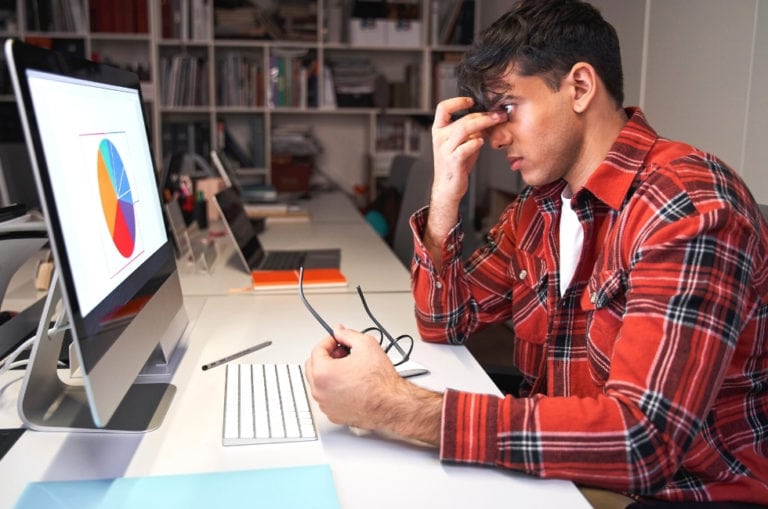
    Published: 27 July 2021 | Updated: 28 September 2026 | Author: Smart Vision Optometry. TL;DR Summary: Recurring eye discomfort can interfere with reading, study and work. Note the tasks and symptoms involved, review practical screen habits and seek an assessment when the problem keeps returning. A prescription, dry-eye issue or specific focusing problem may need a different response.

  • |

    Behavioural Optometry: A Holistic Look at Sight and How we Use It

    Published: 16 July 2021 | Updated: 30 September 2026 | Author: Smart Vision Optometry. TL;DR Summary: This interview discusses visual function during everyday activities. Assessment should identify a specific problem and explain the evidence for proposed care. Clear distance eyesight is one measure; broad claims about learning or sporting gains need their own support.

  • |

    Jobs That Could Place One’s Vision at Risk – What They Are and What to do About It

    Published: 9 July 2021 | Updated: 28 September 2026 | Author: Smart Vision Optometry. TL;DR Summary: Screen discomfort, flying particles, chemicals and outdoor UV exposure call for different responses. Identify the actual task and hazard, use appropriate workplace controls and seek care for symptoms or injury. Lens tint, a job title or a routine eye test alone cannot establish that protection is adequate.

  • |

    Why Maintaining Good Eye Health is Vital

    Published: 30 June 2021 | Updated: 30 September 2026 | Author: Smart Vision Optometry. TL;DR Summary: Eye health can affect daily activities and quality of life. Seek assessment for changing vision and discuss support for any diagnosed condition. Emotional distress also deserves appropriate care; it should not automatically be attributed to an eye problem.

  • |

    Importance of Physical Exercise for Healthy Vision

    Published: 21 June 2021 | Updated: 30 September 2026 | Author: Smart Vision Optometry. TL;DR Summary: Physical activity supports general health, but it is not a replacement for prescribed eye treatment. Choose activity appropriate to your health and any clinical restrictions. The interview’s percentages and exercise timetable are not guarantees of preventing eye disease.

  • |

    Behavioural Optometry and How it Saves Vision

    Published: 11 June 2021 | Updated: 30 September 2026 | Author: Smart Vision Optometry. TL;DR Summary: Eye care can assess clarity of sight, prescription, eye health and—when relevant—how the eyes focus, align and work together. Attention, reading, learning, behaviour or sporting difficulties should not be assumed to come from a vision disorder; any diagnosed ocular or binocular condition should be treated for its own clinical indication.

  • |

    Vision Misalignment and Anxiety an Unhealthy Partnership

    Published: 19 March 2021 | Updated: 28 September 2026 | Author: Smart Vision Optometry. TL;DR Summary: Eye misalignment and anxiety can coexist, but one does not automatically explain the other. New double vision needs medical assessment. Eye treatment should address a diagnosed visual condition, while ongoing anxiety deserves appropriate support from a GP or mental-health professional.

  • |

    Rise in High Stress Levels is Impacting on Vision

    Published: 24 February 2021 | Updated: 28 September 2026 | Author: Smart Vision Optometry. TL;DR Summary: Stress can affect wellbeing and may contribute to symptoms such as eyelid twitching. It should not be used to explain away new blur, double vision or vision loss. Seek appropriate eye assessment, urgent care for sudden changes, and support for stress that feels persistent or overwhelming.

  • |

    How Vision Problems Can Affect Driving

    Published: 24 December 2020 | Updated: 28 September 2026 | Author: Smart Vision Optometry. TL;DR Summary: Do not drive if your vision is unsafe. Blurred signs, troublesome glare, double vision or changes in side vision deserve assessment. NSW drivers must report relevant vision changes and follow licence conditions. A past eyesight-test pass does not explain a new symptom or replace ongoing eye care.

  • |

    The Importance of Vision Skills for Learning

    Published: 12 November 2020 | Updated: 28 September 2026 | Author: Smart Vision Optometry. TL;DR Summary: Visual conditions can coexist with learning, reading, attention or coordination concerns, but these concerns are not diagnosed from one eye symptom or behaviour. Eye findings and educational or developmental needs should be assessed separately.