
Myopia—often called short-sightedness—has surged to become one of the most common causes of visual impairment worldwide. As incidence rises in children and adults alike, it has become a pressing public health issue demanding awareness and action.
According to Gary Rodney, founder and creator of Smart Vision Optometry, Master of Optometry, Behavioural Optometrist and Fellow of the International Academy of Orthokeratology and Myopia Control (FIAOMC): “Understanding myopia isn’t just about prescribing glasses—it’s about safeguarding long-term eye health and quality of life.”
A Fast-Growing Global Challenge
Landmark studies reveal that in 2000, about 22.9% of the world’s population was myopic; by 2020, this had soared to 34%. Projections estimate that nearly 50% of the population—around 4.7 billion people—will be myopic by 2050, with 10% experiencing high myopia (–6.0 D or worse), increasing the risk of severe eye complications. Ophthalmology Times
In children and adolescents, myopia is already substantial: as many as one-third are affected today. This may rise to nearly 40% by 2050, equating to more than 740 million young people globally. Association of Optometrists
Why the Surge? Education, Lifestyle & Urbanisation
The causes of myopia are complex—genetics play a role—but environmental factors are clearly accelerating its growth. Pupils exposed to intense near work (reading, screens), limited time outdoors, urban living, and high educational demands are more prone to develop myopia.
While the link between schooling and myopia isn’t fully settled, each extra year of education appears to shift refractive error toward myopia—likely reflecting the combined effect of more near tasks and less outdoor time.
Accelerating Rates in Real Time
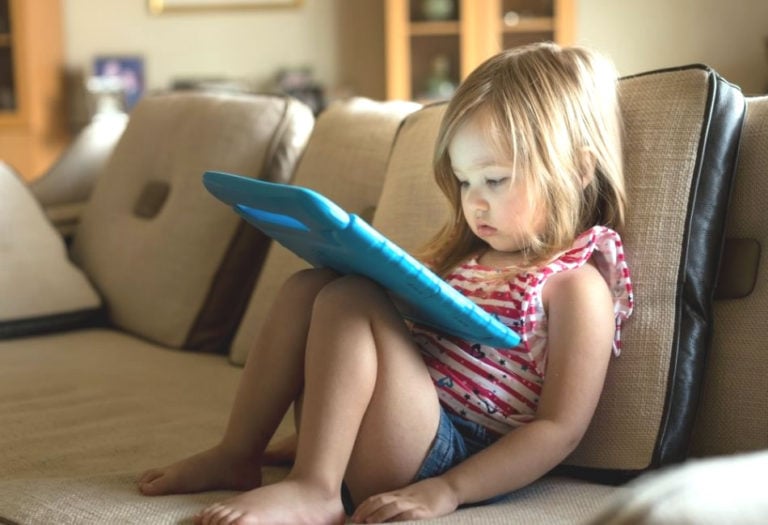
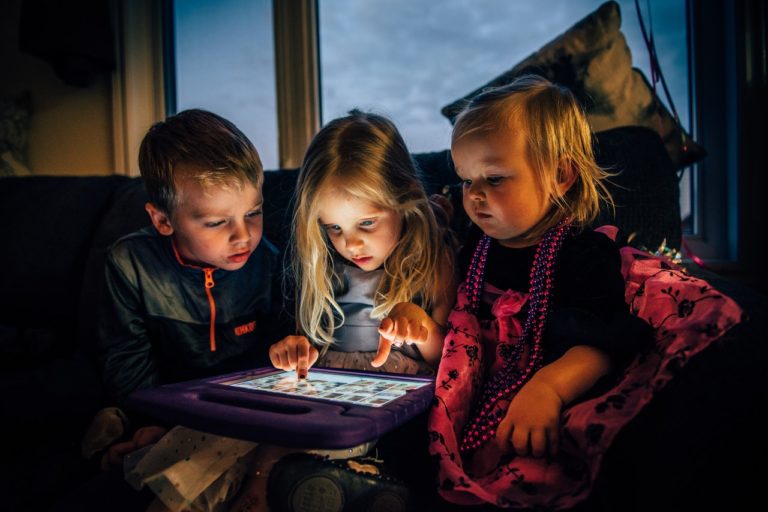
The pandemic further fuelled myopia. With schools closed and learning shifted online, children spent significantly more time on near screens and far less time outdoors—conditions that enhance myopia progression.
One study of school-age children found that average myopic progression accelerated significantly during lockdowns; younger children experienced the greatest shifts. BMJ A global meta-analysis also reported a myopic shift of around –0.46 D more during the pandemic than before. BMJ Paediatrics
In Scotland, diagnoses among preschoolers rose by 42% post-lockdown, compared to pre-pandemic figures—possibly linked to increased screen time and reduced outdoor activity. The Times
More Than Just Blurred Vision
High myopia is a serious concern. Elongation of the eyeball increases the risk of retinal detachment, glaucoma, cataracts, and myopic maculopathy, all of which can lead to permanent vision loss.
Every additional year of delayed onset of myopia lowers ultimate refractive error severity—making early prevention and control crucial.
Myopia and Education: Understanding the Link
Schools and parents are understandably focused on academic achievement—but that often comes at the cost of eye health.
“Education is vital—but we can’t ignore its unintended visual consequences,” says Rodney. “Heavy near work and limited daylight exposure increase myopia risk. A balanced approach that includes learning and eye-friendly habits is essential.”
Policy-level changes—like scheduled outdoor breaks and limiting intense early schooling—may help slow this trend.
A National Call to Act Now
With estimates suggesting that half the global population may be myopic by 2050, the stakes are high.
At Smart Vision Optometry, we advocate a three-pronged strategy to address myopia:
- Full-distance correction: Glasses or contacts should fully correct distance vision. Undercorrection has been shown to stimulate further eye elongation.
- Optimised visual habits: Encourage outdoor play, limit continuous near work, and follow healthy screen habits—see the DIY Myopia Control guide.
- Peripheral defocus control: Traditional lenses focus centrally, but the elongating oval eye needs specialised designs (like orthokeratology or multifocal lenses) that reduce peripheral blur and slow progression.
Practical Steps for Families and Clinics
Effective management starts early:
- Routine eye checks: Especially for children, to detect myopia and begin control early.
- Behavioural changes: Enforce regular outdoor breaks—two hours a day is ideal.
- Innovative treatments: Children at risk may benefit from low-dose atropine, orthokeratology, or multifocal prescriptions under professional guidance.
“Early detection and targeted interventions can change a child’s long-term eye health trajectory,” says Jacquie Gattegno, Orthokeratologist and Principal Optometrist at Eyes InDesign Bondi. “We tailor treatments to each child—whether it’s outdoor prescriptions, specialised lenses, or vision-skill support. The outcome is far more than just clearer vision—it’s a brighter future.”
Summary Table
| Risk Factor | Impact on Myopia | Prevention Strategy |
| Near-intensive schooling | Shifts in refractive error toward myopia | Outdoor time and balanced visual habits |
| Urbanisation | Less outdoor exposure, higher risk | Encourage time in natural light |
| COVID-era behaviours | Accelerated progression | Screen breaks, outdoor routines |
| Undercorrection | Stimulates eye elongation | Ensure full-distance correction |
| Eye shape changes | Peripheral blur spurs progression | Use defocus-friendly optical designs |
Vision Care Meets Vision Prevention
Myopia is no longer a minor visual nuisance—it’s a growing global challenge that demands proactive, informed responses.
At Smart Vision Optometry, we offer comprehensive Smart Vision Skills Assessments, which include full refractive and functional evaluations. From there, we create tailored wellness treatment plans incorporating lifestyle advice, optical solutions, and myopia control treatments.
To protect your child—or your future self—from the progressing tide of myopia, schedule an assessment today. Book an appointment, or call the Bondi clinic on (02) 9365 5047 or the Mosman clinic on (02) 9969 1600.