Published: 17 August 2020 | Updated: 30 September 2026 | Author: Smart Vision Optometry
Editorial and clinical update — 30 September 2026: The original article/interview below is preserved, including its attributed quotations and editorial structure. Current evidence and guidance below should be relied on where older wording differs.
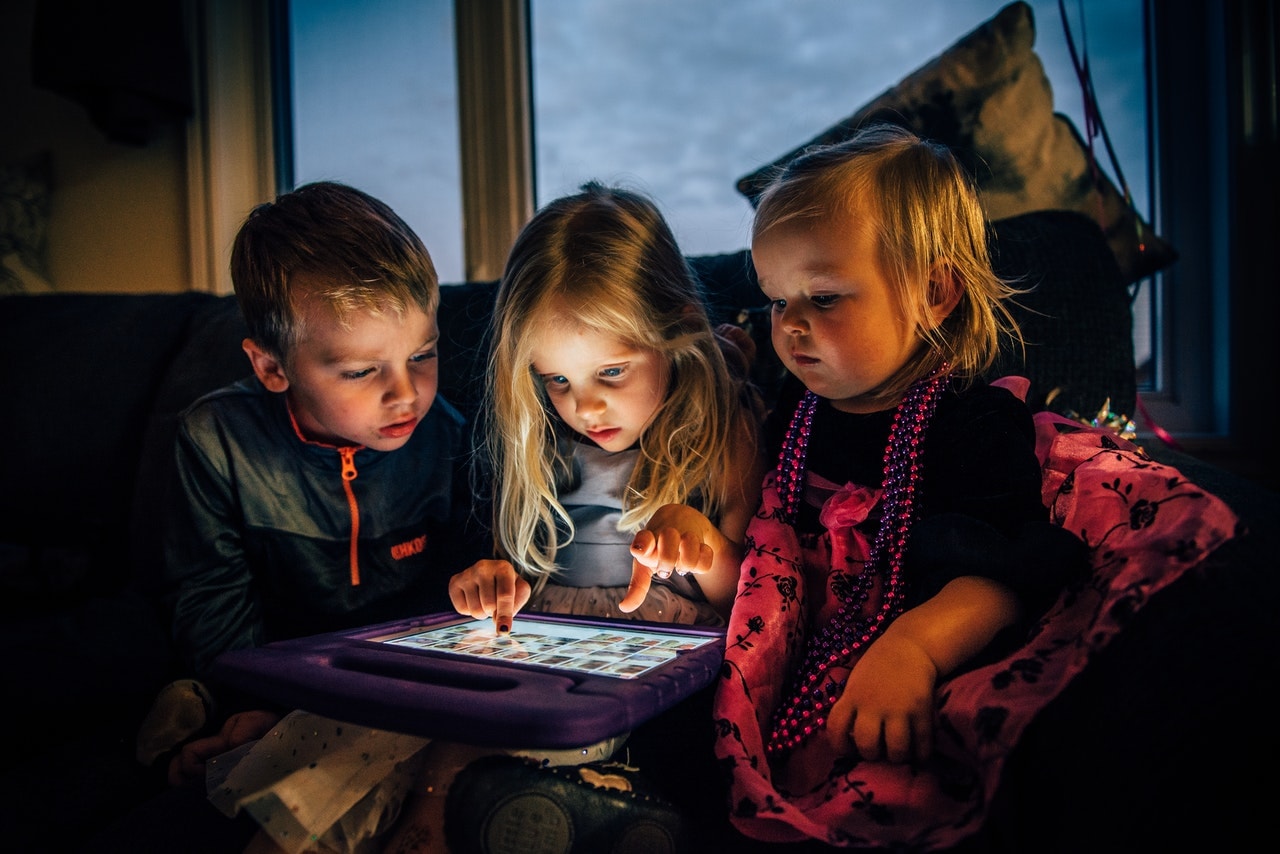
It is now understood that lifestyle factors may play a huge role in the health of our eyes, and particularly our children’s. And high on the list of these factors is spending too much time in front of computers, monitors, phones or tablets, according to behavioural optometrists Gary Rodney, a fellow of the International Academy of Orthokeratology and Myopia Control (FIAOMC), and his Smart Vision partner, Jacqueline Gattegno.
Rodney said compounding the problem was that as well as impacting directly on eye health, screens, by their nature, also reduced the vital eye health benefits of time spent outdoors, exposure to natural light, and the opportunity to view three dimensional objects at different focal distances. Digital viewing also has a tendency to cut back on physical activity and good quality sleep, both of which affect children’s eyes, as well as their general development.
Rodney further explains that eyes are not designed to look at a near viewing distance for extended periods of time. This inherently leads to near vision stress which results in further negative adaptations in the visual system.
WHO Responds With Limits for Screen Time
According to Gattegno, these factors have led the WHO to issue a list of recommended screen times for children under 5 years old when their eyes are developing at the fastest rate. These suggest that toddlers under one year old should not be exposed to electronic media; and to no more than an hour a day between the ages of 2 and 4. After turning 5, the United Nations health unit, says screentime should still be limited, or sometimes eliminated, to make time available far more outdoor and physical activities.
While acknowledging the WHO guidelines, Rodney said in a world where vision problems are rising in prevalence at a fast rate, the guidelines should have been extended considerably. Current projections are led by nearsightedness (myopia) which has been suggested could affect half the global population by 2050, and this is closely backed by similar projections for all other vision impairments to reach 13million, up from 4 million in 2010. And that’s in the United States alone.
Learning How to Manage Digital Impact
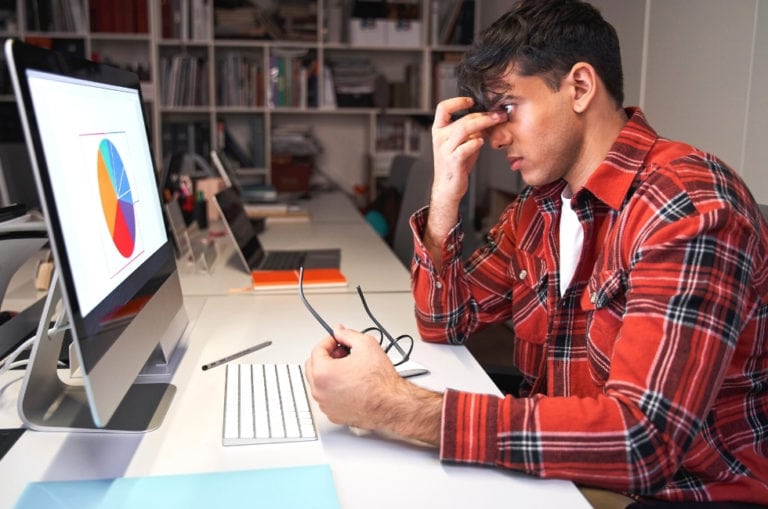
Rodney said too much screen time can cause Digital Eyestrain (DES), leading to dry eyes, blurry vision, eyestrain, headaches, neck and shoulder pain, and it can also impact on both the amount and quality of sleep, which is needed to give the eyes a break to recover from the impacts of the day. But these are not the only threats.
The blue light from computer screens and digital devices decreases colour contrast, and its short wavelength produces high energy levels which over an extended period can seriously damage the retinal cells, and put excessive strain on the muscles that help the eye to focus.
Taking Control of Eye Health
According to Gattegno, regular check-ups with optometrists are essential in this digital age, and they should be the first call should eye problems go beyond discomfort levels. However, there are steps you can take to help protect both the eyes of the parents and their children’s when they are at home. These include:
Ergonomics: Careful thought should be given to where you place the screen or monitor, making sure there’s no glare from a light source, or coming through a window in front or behind the screen, and where possible a gentle lamp light should be used rather than fluorescent lighting which is known (but not necessarily seen) for its eye-irritating flicker. Also make sure there is good ventilation by using a humidifier if necessary, in order to increase moisture in the air.
Position the monitor about an arm’s length from the head and just below eye level so that they don’t have to look upwards, which leads to more of the eye area being exposed to the air, and so increases the likelihood of dry eyes. And remember to blink for the same reason. A larger monitor will also make words and images easier to see, as will enlarging the font.
Take breaks: Every five minutes, the user should look away from the computer and focus on something 20 feet away to release that strain on the eye’s focus muscles. Also, eye stretches can be done every 20 minutes. Every 30 minutes or so, (for children every 15 minutes) the user should get up and walk (preferably outdoors), and drink water to ensure they are well hydrated.
If none of the above makes a difference, an appointment with an optometrist who has a special interest in functional vision skills is advisable.
For more information visit the Smart Vision website: Optometrists Sydney: Optometry Services For Children and Adults | Smart Vision; for specific information about Myopia treatment and prevention visit Myopia Prevention: Solutions, Control And Treatment In Sydney; and for detailed information about Myopia Treatment visit Orthokeratology In Sydney: The Non Surgical Alternative.
Book an appointment for a thorough eye check-up or Call the Bondi clinic on (02) 9365 5047 or the Mosman clinic on (02) 9969 1600.
Current evidence and clinical context
AAO device guidance does not support claims that ordinary digital blue light causes eye disease.
The original article’s fixed break schedules are suggestions, not universal prescriptions. Follow current age-specific guidance rather than treating its historical screen-time wording as a single rule for every child.
Related Smart Vision reading
Digital eye strain · Screen habits for young children
Frequently asked questions
Does eye strain establish permanent retinal damage?
No. Discomfort and retinal damage are different findings.
Is one break timetable a treatment for everyone?
No. Persistent symptoms require individual assessment.
Should children’s routines include activity and sleep?
Yes. Use guidance suited to their age and circumstances.