Published: 27 March 2020 | Updated: 30 September 2026 | Author: Smart Vision Optometry
Editorial and clinical update — 30 September 2026: The original article/interview below is preserved, including its attributed quotations and editorial structure. Current evidence and guidance below should be relied on where older wording differs.
Historical article — published 27 March 2020. This article records early-pandemic reporting and is retained for historical reference. It is not current COVID-19 guidance, and its references to restrictions, services and emerging evidence describe that period. For current eye-care appointments and practice information, please contact our Bondi or Mosman team.
Medical and optometry sectors have been saying that our eyes reveal the presence of a wide range of diseases in our bodies for a long time. But it is the Coronavirus that’s currently circling the globe, infecting hundreds of thousands of people, and sending the world and its economies into a panic. According to Australian Master of Optometry Behavioural Optometrist Gary Rodney, available evidence is hinting at the idea that not only could the eyes reveal its presence, but they could also be helping to spread the virus.
Rodney said it was fairly common for the eyes to be affected by viral diseases like flu and colds. This was not surprising as they contained mucous membranes which are attractive landing zones for viruses in the same way as the nose and mouth are.
Red Eyes Among Coronavirus Symptoms
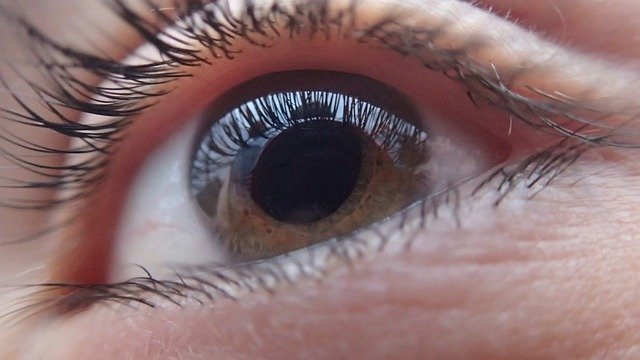
A number of patients currently suffering from COVID-19 have named eye irritation, redness, and scratchy eyes as among their symptoms, adding this to the more commonly cited fever, coughing, and shortness of breath on which most warning messages to the public have been based. According to Rodney, a respiratory specialist from Peking University, Wang Guangfa, was among those citing the connection. He is reported to have said that when he became infected with CONVID-19 after treating patients, his left eye was the first to sound the alarm by becoming inflamed and red. This happened some time before the fever and build up of mucus in his nose and throat became obvious and the cough started.
So, Rodney said, it’s not surprising that “not touching your eyes” has now been added to the short list of preventative behaviours recommended to the general public. This is because it’s the same advice issued by doctors and optometrists when they diagnose viral conjunctivitis, an eye infection also known as “pink eye”. Conjunctivitis is known to often appear along with colds and flu, and is a common problem in most families at some point.
Conjunctivitis
Conjunctivitis leads to inflammation in the white part (conjunctiva) of the eye, and is sometimes accompanied by watery eyes and/or a discharge. And because of its discharge it can prove to be another link in the chain of virus transmission, which is considered at this stage to be through the distribution of droplets caused by sneezing.
Rodney said that if conjunctivitis, with its ability to infect others in close proximity, is part of the mix, it heightens the need to avoid touching your eyes as much as possible, and not share towels and similar items which, most parents know, spread conjunctivitis easily. Rodney says this should also be taken into account by everyone involved in fighting the virulent virus scientists are still working round the clock to identify, classify, and understand its nature as well as its high and fast infection rate fully in order to find a way of stopping it.
Rodney, founder of the Smart Vision approach to optometry and its three outlets in Sydney, has devoted his life and work to the study of the behavioural effects of perceptual vision. He said this was another indication that too often the eyes, and the alerts they often provide, were the last parts of our bodies to be taken into consideration in terms of both disease control, and, even more commonly, with regard to learning problems and disabilities which are themselves multiplying fast around the globe.
However, if the indications so far reported prove sound, it could put eyes at the centre of one of the most scary pandemics the world has yet faced. It might, he said, even provide clues to slowing the spread of the Coronavirus itself.
For more information on perceptual vision, myopia and other eye problems, visit the Smart vision website, Optometrists Sydney: Optometry Services For Children and Adults | Smart Vision, or call the NSW clinics at Bondi (02) 9365 5047, Mosman (02) 9969 1600.
Current evidence and clinical context
Healthdirect’s conjunctivitis guidance describes infectious, allergic and irritant causes of red eyes. It advises prompt care for eye pain, light sensitivity or sudden vision change.
Use current COVID-19 guidance for testing and illness advice. The original early-pandemic accounts below should not be used to diagnose infection from appearance or to infer current public-health rules.
Related Smart Vision reading
Urgent visual warning signs · Using prescribed eye drops
Frequently asked questions
Can red eyes diagnose COVID-19?
No. Redness has several possible causes and needs assessment in context.
Is the article’s pandemic advice current?
No. It records early-pandemic reporting from March 2020.
Which eye symptoms need prompt care?
Eye pain, sensitivity to light or a sudden change in vision needs prompt assessment.