Published: 7 April 2020 | Updated: 28 September 2026 | Author: Smart Vision Optometry
Editorial and clinical update — 28 September 2026: The original article/interview below is preserved from the pre-project WordPress revision, including its attributed quotations and editorial structure. Dyslexia and other learning difficulties are not caused simply by eyesight. Treat any diagnosed visual condition for its own clinical purpose while continuing appropriate educational or developmental assessment and support. Current evidence and guidance below should be relied on where older wording differs.
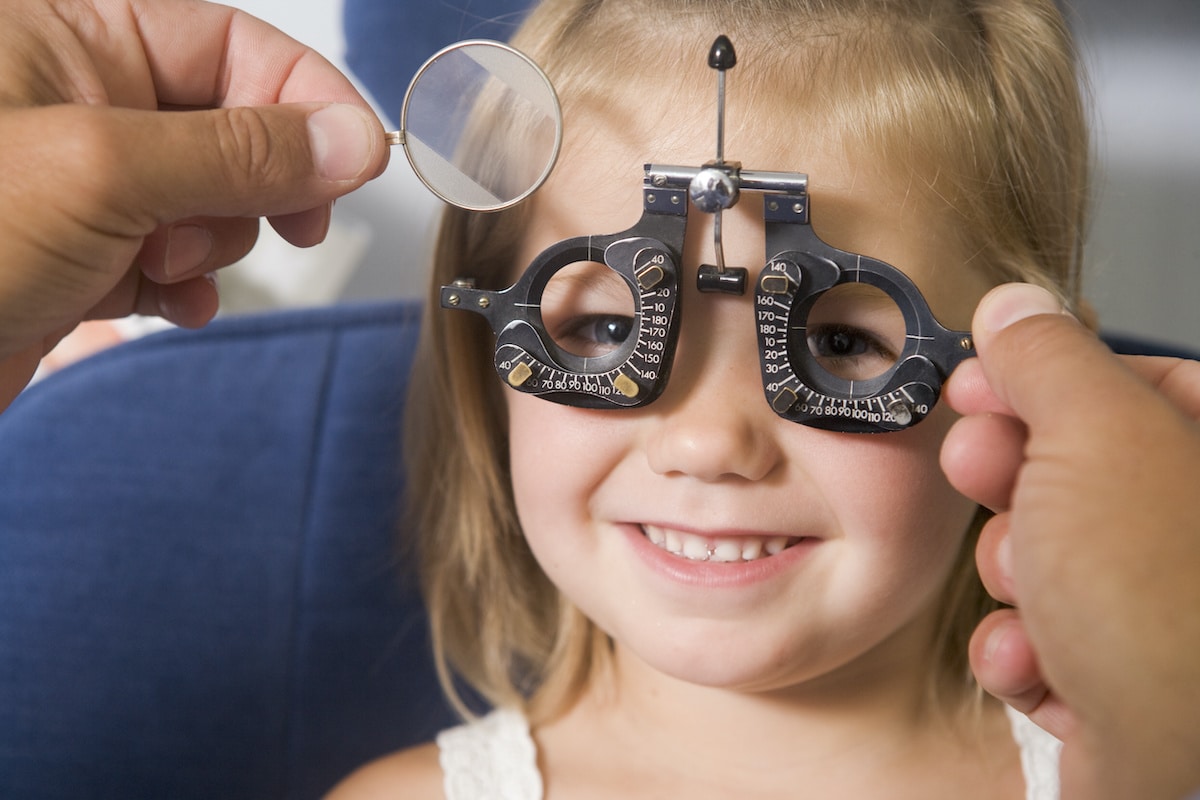
When bringing up children, parents know what to expect when it comes to potty training, helping them to crawl, and then getting up and walking. They help them with speech, and warn them what not to touch. They also expose them to different smells and tastes, all of which are easy enough to identify, discuss, explain and understand. But many parents are at a loss when it comes to helping their children with their eyesight or vision, and just as many are missing the signs of possible vision difficulties, according to leading Australian behavioural optometrists Gary Rodney and Jacqueline Gattegno, whose Smart Vision Optometry specialises in this field.
Entering the School Years a Step or Two Behind
Rodney and Gattegno agree this means that many children head off to school a few steps behind their peers, simply because they do not see the world or anything in it in the same way their classmates do. Instead everything is blurred or not processed appropriately visually. This can lead to a number of learning problems as well as causing the children to feel uncomfortable in several areas.
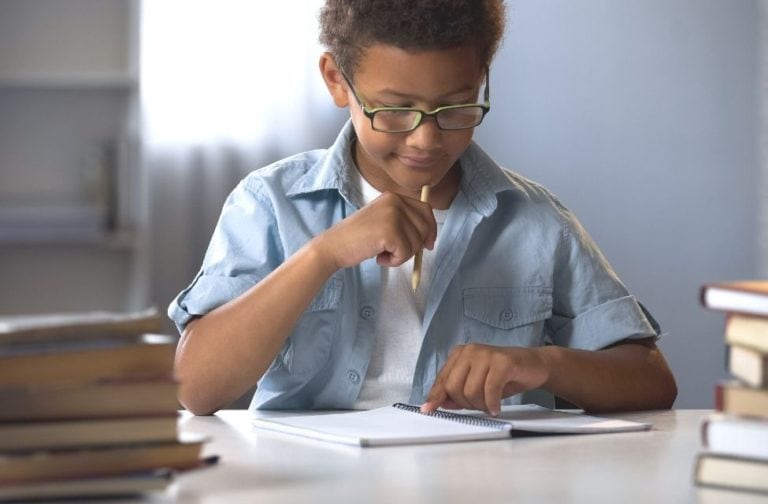
“They’re facing a whole new world when they enter school, and tend to lose confidence when they feel they are not performing as well as their new friends. Reading can become difficult and other learning skills can lag, and they don’t know why this is happening. So many of them may start to show behavioural problems or avoid engagement with a process that seems too hard. Some don’t want to read, and many don’t want to take up sports,” Rodney and Gattegno explained.
A Question of Distance
Two of the most commonly known of the eye problems, which together with other eye problems affect around 22% or more of Australians under 14, are myopia and hyperopia. Both cause children to have blurry vision, either when trying to view something at a distance, which is the case with myopia (nearsightedness), or when looking at something close up, when they are farsighted (hyperopia). Both are refraction errors caused by the light rays focus in front of the retina or behind it, but not on it as it should.
On school screenings however, Rodney and Gattegno have found that optical blur only accounts for 11% of all other vision problems. There are far more issues with both functional vision skills and perceptual vision skills. So looking at refractive error alone will not identify the vast majority of vision road blocks to reading and learning.
How to See the Signs
Parents can be on the watch for certain give-away signs that their children have problems with visual function or visual processing of things at different distances. Some are easily visible in physical actions.
These include a tendency to move very close to what they are trying to see, like when watching TV, or bring books close to their eyes when they are trying to read. Children with eye problems may also lose their place while reading a book, let their eyes follow the words using a finger to guide them, or take to avoiding the things its too difficult to do. This could include books or perhaps sports because the blur creeps in and makes it too difficult because the focus called for is not comfortable for them, according to Rodney and Gattegno.
They may also squint, or tip their head to one side to allow the stronger eye to do the work, so allowing the weaker eye to become “lazy” and deteriorate even more.
Rodney said that difficulty focusing could also lead to frequent headaches, light sensitivity and complaints about “sore eyes”. It can also result in avoidance in response to suggestions that they read a book, or work on a computer, a while this might sometimes be taken as bad behaviour, it could turn out to be the very real effect of an eye problem.
What Parents Can Do
Armed with these warning signs, they can then approach leading optometrists like those at Gary Rodney’s and Jacqueline Gattegno’s Smart Vision clinics in Sydney, or call one of the Eyes In Design NSW clinics at Bondi (02) 9365 5047 or Mosman (02) 9969 1600.
They can also visit the Smart Vision website: Optometrists Sydney: Optometry Services For Children and Adults | Smart Vision to find more information provided by the Smart Vision behavioural optometrists whose major focus is on the effects of perceptual and functional vision problems in children.
Current evidence and clinical context
AAPOS guidance on learning disabilities separates learning difficulties from treatable ocular conditions.
AAPOS guidance on vision therapy distinguishes selected binocular-vision treatment from claims that behavioural or perceptual therapy treats dyslexia or learning disability.
Related Smart Vision reading
Eyes after 40 and warning signs · Vision, learning and dyslexia · Protecting your vision at work
Frequently asked questions
Can an eye test diagnose dyslexia or a learning disability?
No.
Can a child have both a learning difficulty and an eye condition?
Yes.
Should educational support wait for eye treatment?
No.