Published: 5 July 2021 | Updated: 30 September 2026 | Author: Smart Vision Optometry
Editorial and clinical update — 30 September 2026: The original article/interview below is preserved, including its attributed quotations and editorial structure. Current evidence and guidance below should be relied on where older wording differs.
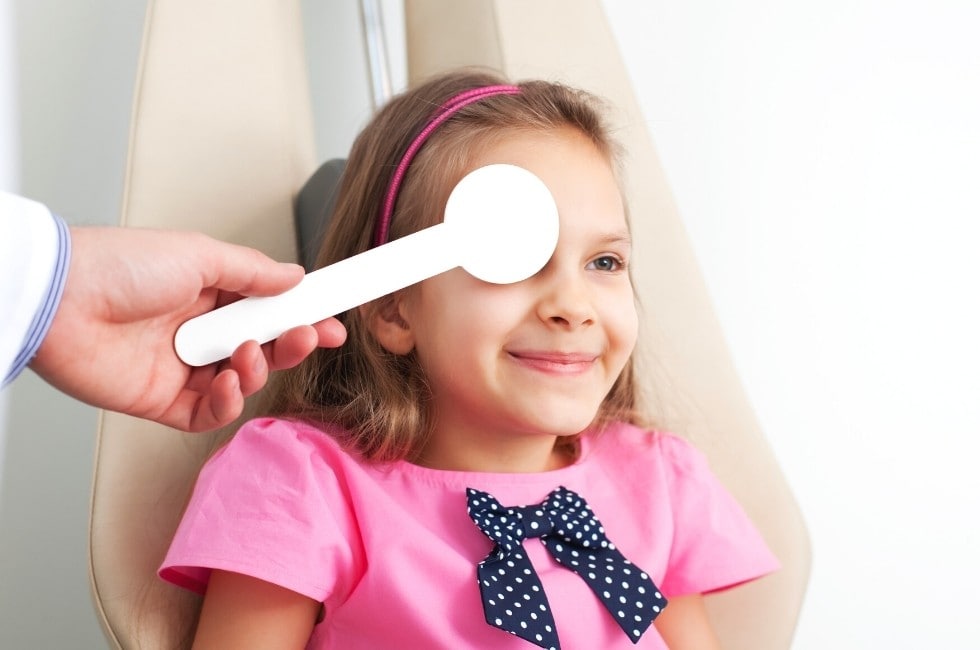
Apart from the screening done by paediatricians, many parents aren’t sure when to take children for their first eye tests. Of course, if any problems with vision are suspected, very early testing is feasible, but Australian behavioural optometrist and fellow of the International Academy of Orthokeratology and Myopia Control (FIAOMC), Gary Rodney says that kids with normal-seeming vision should still get their eyes tested by the age of four or five – and it shouldn’t just be a standard eye examination.
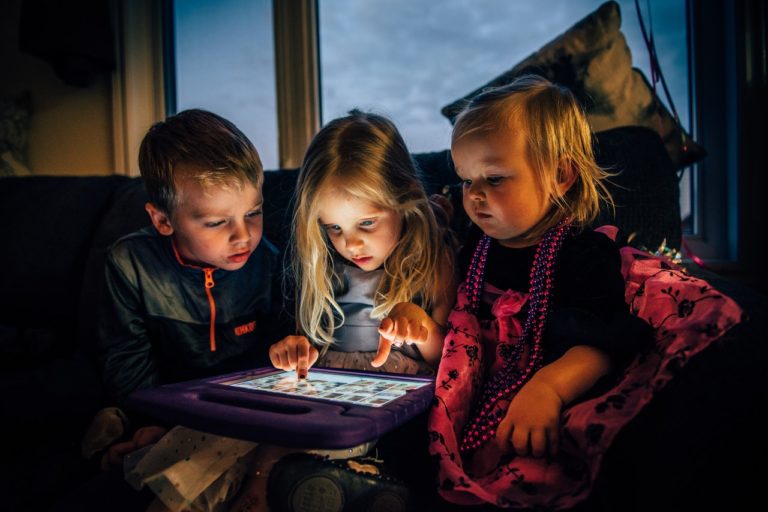
“One in five children will have undetected vision problems in documented research, and there is more to vision than just being able to see clearly. Behavioural optometrists look beyond the potential for clear eyesight and examine how the eyes are being used. They will use special tests to see if the eyes work well together, if they are able to change focus easily, if they can track systematically from one object to the next, analyse the information they’re getting from their eyes well, and coordinate physical movements based on visual information. Our research has shown with the increased use of screens and technology it is now more unusual to find a visual system with no problems when we look at all the vision skills and not just clarity of sight” says Gary.
“The branch of optometry that looks at the way in which visual skills are developing is also known as developmental optometry, and the term is appropriate since visual skills can be developed.”
Improving Children’s Visual First Experience of Study
It’s Gary’s opinion that examination by a behavioural optometrist should occur before children begin with school. “Struggling with school is inevitable when there are visual or visual skills problems,” says Gary.
“Early experiences can have a lifelong effect on a child’s perception of learning and his or her abilities in learning environments. When children struggle with vision, it’s unlikely that they will articulate the real problems they are experiencing. As far as they’re concerned, the way they see and experience the world is normal.”
Detect and Control Myopia
Shortsightedness in children is more common than most parents realise – and it’s on the rise. What’s even less well-known is that the progression of myopia, the seemingly inevitable process in which every new pair of glasses is stronger than the last, can be controlled. It’s even possible for shortsighted kids to go without glasses or contact lenses during the day and still see perfectly.
The advance that makes this possible is known as Orthokeratology, and it’s among Gary Rodney’s special interests. “Orthokeratology or Ortho-K means wearing custom-made hard contact lenses that reshape the cornea at night. In the morning, the contacts are removed, and no glasses are needed. The potential impact is huge. Myopia doesn’t progress as it otherwise would, and that means better eyesight in adulthood too.”
An Early Start for a Better Life
A simple visit to a behavioural optometrist or better still a Smart Vision Optometrist has the potential for far-reaching effects. “It’s hugely motivating that there can be lifelong benefits from the work done with children at Eyes in Design,” says Gary. “To kids and parents, it may seem like nothing much – just a super-comprehensive eye test. But if issues with vision are resolved, it’s the start of a better life, better academic and sports performance, better self-image, and ultimately, a happier and more fruitful adulthood.”
HEAR: Ultra106.5FM Interview with Gary Rodney – Covid and Myopia: What you need to know!
For more information on behavioural optometry, perceptual vision and vision therapy, or to book an eye exam, visit the Smart Vision website: Optometrists Sydney: Optometry Services For Children and Adults | Smart Vision; for specific information about Myopia treatment and prevention visit Myopia Prevention: Solutions, Control And Treatment In Sydney; and for detailed information about Myopia Treatment visit Orthokeratology In Sydney: The Non Surgical Alternative.
Contact us for a thorough eye check-up or Call the Bondi clinic on (02) 9365 5047 or the Mosman clinic on (02) 9969 1600.
Current evidence and clinical context
NSW Health’s StEPS programme provides preschool vision screening. Follow referral advice and seek an individual assessment when concerned.
The interview’s population estimates and broad lifelong-benefit claims are not predictions for an individual child. Myopia management requires its own assessment and ongoing review.
Related Smart Vision reading
Children’s eye-check timing · Myopia management
Frequently asked questions
Should symptoms wait until school-age screening?
No. Seek advice when concerns arise.
Does a screening result replace every further examination?
No. Follow referral advice and seek assessment of symptoms.
Can an eye examination guarantee school success?
No. Learning has many contributors.