Published: 2 June 2022 | Updated: 30 September 2026 | Author: Smart Vision Optometry
Editorial and clinical update — 30 September 2026: The original article/interview below is preserved, including its attributed quotations and editorial structure. Current evidence and guidance below should be relied on where older wording differs.
Early signs of eye problems to look out for.
The gift of sight is something all people cherish and should not take for granted. It’s essential to be aware of any changes in visual acuity as this could indicate future complications with eyesight. There are many diseases that can present with fairly innocuous symptoms early on but can later lead to more severe conditions, potentially resulting in blindness.
Some of the symptoms discussed here can be pretty innocent and are not inherently cause for alarm. However, if multiple symptoms present without explanation, it is probably best to contact an optometrist or health care professional.
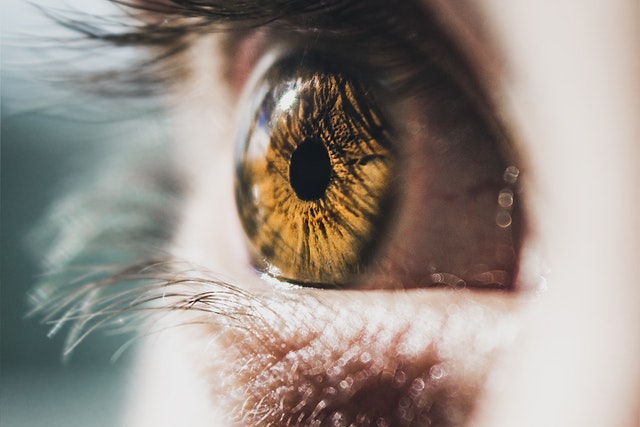
Red eyes have many explanations and can be reasonably common. Redness of the eye is usually a result of irritation leading to inflammation of the tiny capillaries within the eye leading to the red look. This can happen due to lack of sleep, dehydration or allergies but can also result from more serious conditions such as corneal ulcers, infectious conjunctivitis (more commonly known as pink eye) or a subconjunctival haemorrhage. A bleed in the back of the eye can lead to complications and affect vision, potentially leading to complete blindness.
Jacqueline Gattegno, a Smart Vision Optometrist at Eyes InDesign Bondi, warns that taking action too late can have dire consequences. “Most times, these symptoms are not very serious and can be easily explained and rectified, but if symptoms continue and vision deteriorates, it’s time to consult a professional,” says Gattegno.
Another typical indication of vision problems is an increased sensitivity to light, otherwise known as photophobia. Light sensitivity can present as merely squinting to see in a brightly lit room but can also cause a significant amount of pain in more severe cases. Migraines are frequently associated with photophobia and may require medical treatment in some cases as the condition can become debilitating. Another common condition linked to light sensitivity is cataracts, where the eye’s lens becomes cloudy. While cataracts can be treated, they can only be completely removed with surgery.
Blurred or distorted vision is a more prominent and concerning symptom of certain eye conditions. The manifestation of sudden alterations to your vision should immediately be reported to your optometrist. In some cases, this is caused by a possible torn or detached retina, a severe condition requiring medical attention to prevent permanent damage. Another potential explanation for sudden blurred vision is macular edema. Macular edema is when there is a fluid build-up within the macula of your eye, causing swelling and increased pressure. Once again, this condition can potentially lead to permanent vision loss.
Tears are commonly thought to be an emotional function of the eye, but the primary role is to lubricate the eye and keep it hydrated. In certain situations, excessive tearing can indicate an underlying problem such as bacterial keratitis or a blocked tear duct. With bacterial keratitis, the cornea has become infected and can progress rapidly. An infection of the cornea could be a result of an eye injury or possibly the use of a poorly sterilised contact lens or even a contact lens that has had tap water touch it prior to insertion. Therefore, it’s vital to ensure that contact lenses are cleaned and properly stored as instructed by us.
Gattegno explains that there are certain habits and steps that can be taught to prevent the most common visual ailments.
Smart Vision Optometry clinics are located in Sydney. Book a Smart Vision Comprehensive Vision Skills Assessment or Advanced Eye Health Test for any child or adult by calling the Mosman clinic (02) 9969 1600 or the Bondi clinic (02) 9365 5047, alternatively book an appointment online.
Current evidence and clinical context
Healthdirect advises urgent assessment for sudden blurred vision. If stroke is suspected, call triple zero (000).
The original article’s suggestion to watch for multiple symptoms must not delay urgent care. A surface bleed and bleeding inside the eye are different findings; redness alone cannot identify the cause.
Related Smart Vision reading
Floaters and warning signs · Vision impairment
Frequently asked questions
Should sudden blurred vision be checked urgently?
Yes. Seek urgent medical attention.
Must several symptoms occur before I seek help?
No. A single significant or sudden change can need assessment.
Can redness alone identify the cause?
No. An examination may be needed to distinguish possible causes.