
SMART VISION · BONDI BEACH & MOSMAN
Nutrition for Eye Health
At a Glance
A varied diet supports eye and general health. Supplements have specific uses and limits: omega-3 benefits for dry eye are uncertain, and AREDS2 is intended for selected people with macular degeneration. Ask our Bondi or Mosman team about assessment and coordinated care.
Nutrition for Eye Health at Smart Vision Optometry
The Importance of Nutrition for Eye Health
A varied diet supports general health, including the eyes. It does not guarantee prevention of cataract, macular degeneration or dry eye. Assessment and condition-specific treatment remain important.
Essential Nutrients for Eye Health
- Vitamin A: Supports normal vision; carotenoid sources include orange vegetables and leafy greens.
- Vitamin C: Found in fruit and vegetables, including citrus fruit and capsicum.
- Vitamin E: Found in nuts and seeds; supplementation is a separate clinical decision.
- Omega-3 fats: Fish, walnuts and flaxseeds provide different forms of these fats.
- Zinc: A nutrient found in foods including meat, seafood and seeds.
Diet Tips for Healthy Eyes
- Choose variety: Include foods from the five food groups.
- Choose water: Follow any individual fluid guidance from your clinician.
- Consider the whole diet: Limit discretionary foods high in added sugars, salt or saturated fat.
- Adapt to your needs: A dietitian can help with allergies, restrictions and nutritional requirements.
The sections below distinguish food choices from supplement claims. Persistent dry-eye symptoms need assessment rather than an assumption that a nutrient deficiency is responsible.

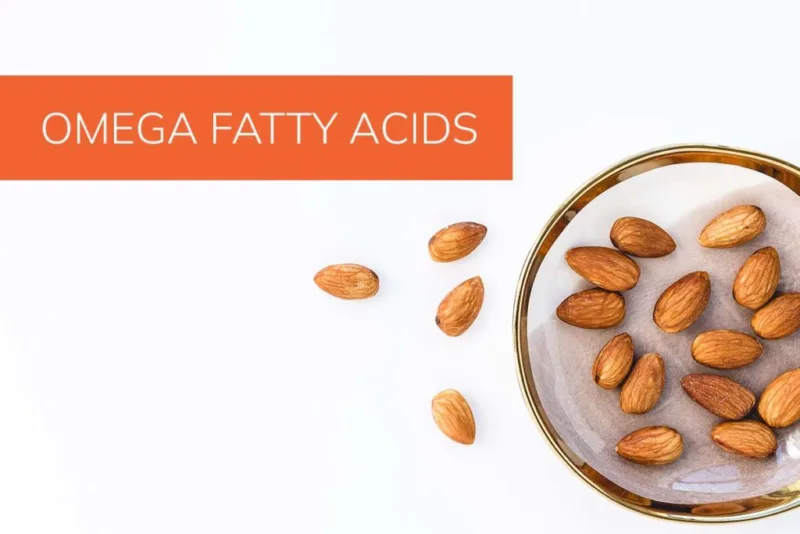
OMEGA FATTY ACIDS
Fish, nuts and seeds can form part of a varied diet. Eating these foods is different from taking concentrated omega-3 supplements as a treatment.
Trial results are mixed. The 2018 DREAM trial found no benefit over placebo for moderate-to-severe dry eye. A 2024 trial in meibomian gland dysfunction also found no symptom benefit, while a 2023 trial in screen users reported improvement. These differing findings do not justify promising relief to everyone. Discuss suitability, cost and interactions before using supplements.
VITAMIN D
Vitamin D is important for general health. If you are concerned about deficiency, ask your GP whether assessment or supplementation is appropriate. Do not infer a deficiency from dry-eye symptoms alone.
Follow Australian sun-protection advice. Cancer Council Australia explains how vitamin D and sun safety fit together; prolonged unprotected sun exposure is not a dry-eye treatment.
VITAMIN C
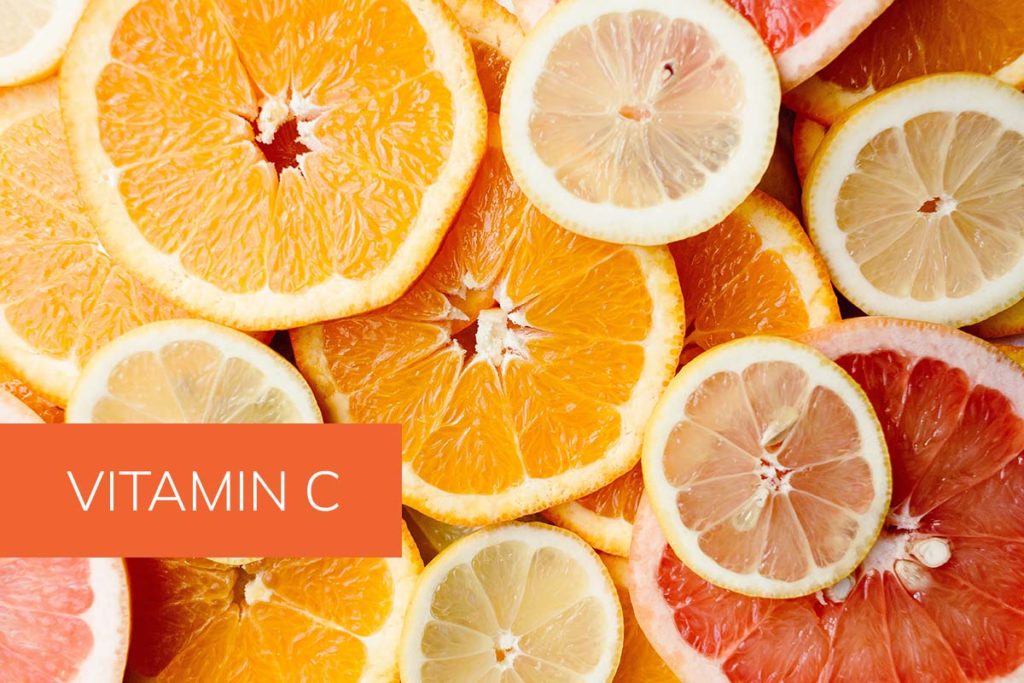
Fruit and vegetables, including citrus fruit and capsicum, provide vitamin C as part of a varied diet. A nutrient’s normal role in the body does not establish that taking extra will treat dry eye.
VITAMIN E
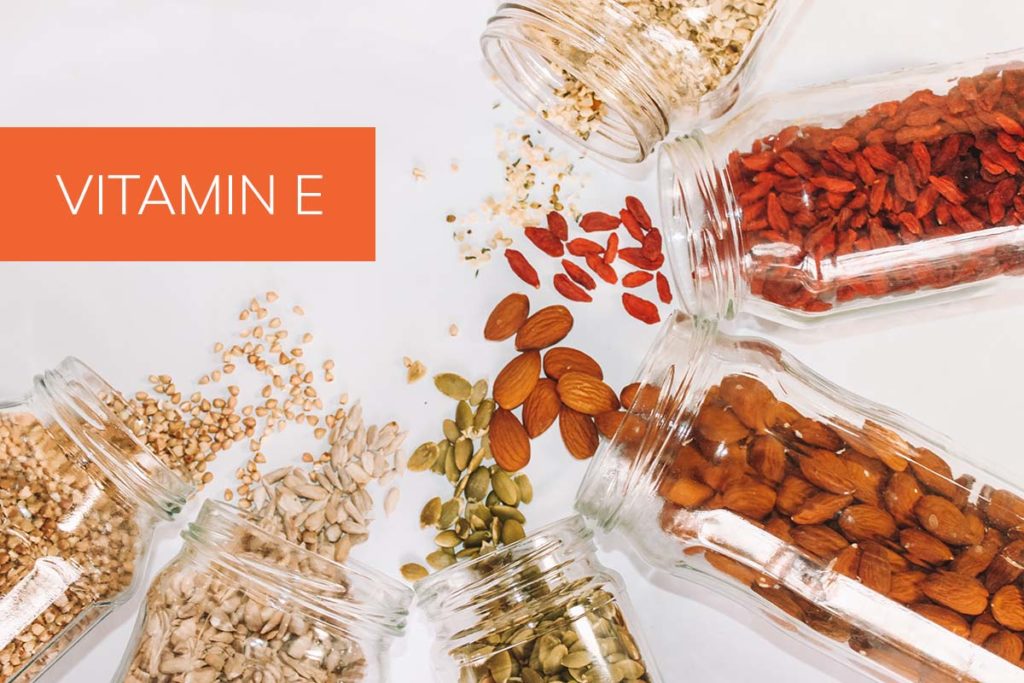
Nuts and seeds provide vitamin E. Evidence for specific combinations of nutrients in selected people with macular degeneration should not be presented as evidence that vitamin E alone prevents cataracts or treats dry eye.
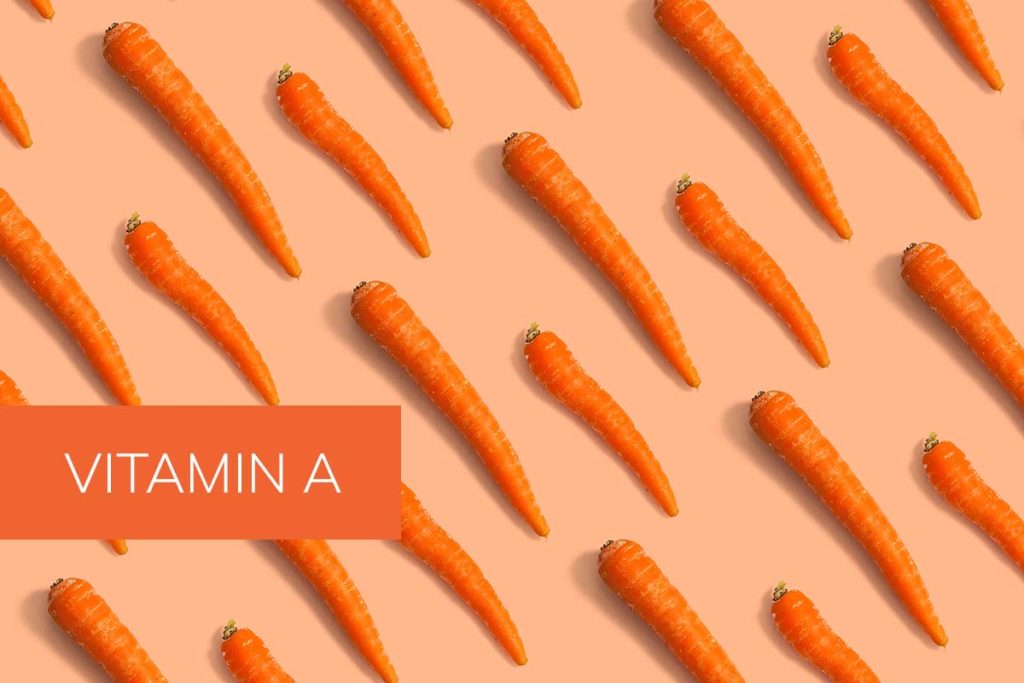
VITAMIN A
Vitamin A supports normal vision, and deficiency can cause serious eye problems. Carrots, sweet potatoes and leafy greens provide carotenoids that the body can convert to vitamin A. High-dose supplements can be harmful; seek medical advice if deficiency is suspected. See the NIH vitamin A fact sheet.
HYDRATION
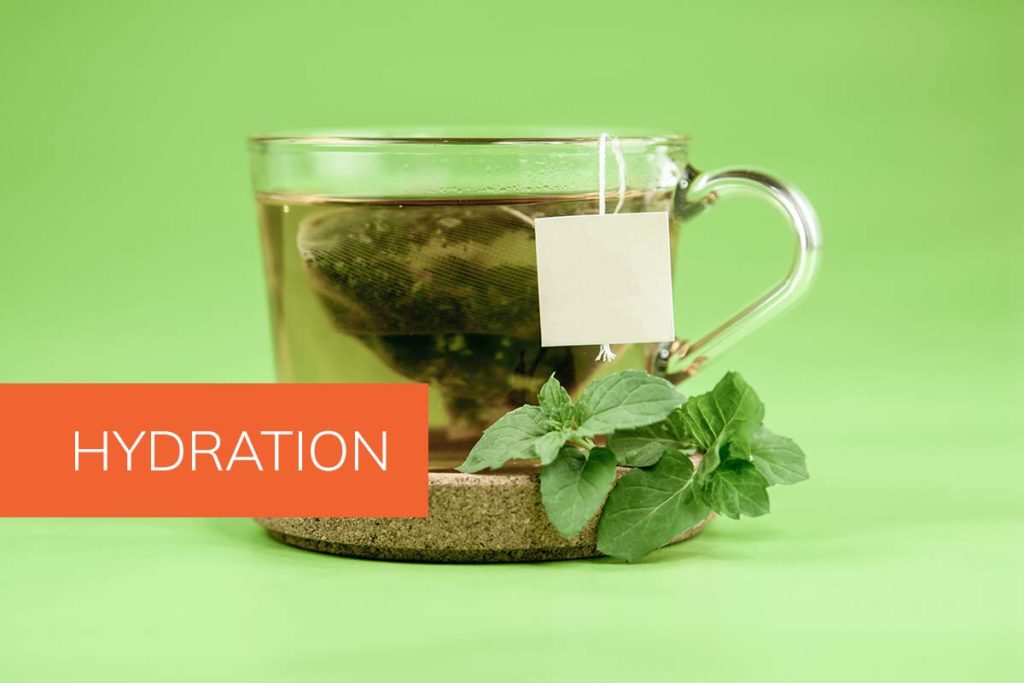
Water is a practical everyday drink. Follow any fluid advice given for your health conditions. Hydration supports general health, but drinking extra water or green tea is not a substitute for investigating ongoing eye symptoms.
Prepare for Your Appointment
- Bring a list: Include medicines, vitamins and other supplements.
- Ask about evidence: What benefit is expected for your diagnosed condition?
- Plan follow-up: Agree how treatment response and possible adverse effects will be reviewed.
Book Your Appointment Today
Discuss eye symptoms, your diet and any supplements at an eye assessment. Your optometrist may recommend coordination with your GP or a dietitian for individual nutrition needs.
Contact Us
For routine enquiries, call Bondi (02) 9365 5047 or Mosman (02) 9969 1600. Confirm appointment availability and fees with the practice.
When Supplements Have a Specific Role
AREDS and AREDS2 research concerns particular stages of age-related macular degeneration (AMD). These formulations can reduce progression risk in selected patients, but do not prevent AMD onset or cataracts. Ask your eye clinician which formulation, if any, suits your diagnosis; smoking history and other medicines matter.
Related Information and FAQs
Read about dry-eye management, the Dry Eye Smart Assessment and our SVO article on screen time and eye comfort. The Australian Guide to Healthy Eating offers general food guidance.
Should everyone with dry eye take omega-3 supplements?
No. Trials have produced differing results, including studies that found no symptom benefit over a comparison treatment. Discuss your diagnosis, medicines and the evidence before deciding.
Are AREDS2 supplements for everyone?
No. They are used for selected stages of age-related macular degeneration after assessment. They do not prevent AMD from starting and are not a general dry-eye treatment.
Can diet replace a dry-eye assessment?
No. Persistent symptoms can have several causes. An assessment helps guide management; diet and any supplements should be considered alongside your overall health and treatment plan.
Care built around your individual needs
Discuss your needs with our Smart Vision behavioural optometrists. Your detailed assessment guides a personalised wellness treatment programme where appropriate.
Bondi Beach · Mosman