
Published: 19 October 2016 | Updated: 28 September 2026 | Author: Smart Vision Optometry
Editorial and clinical update — 28 September 2026: The original article/interview below has been restored from the verified pre-edit recovery source, preserving its editorial structure and attributed quotations. Current evidence and guidance below should be relied on where older wording differs.
At the end of a long day, after hours staring at a computer screen, your eyes are exhausted. You try your best to step away from the screen, but it doesn’t take long until you find yourself checking Facebook while watching TV. Sound familiar?
The Effects of Screen Time on Your Eyes
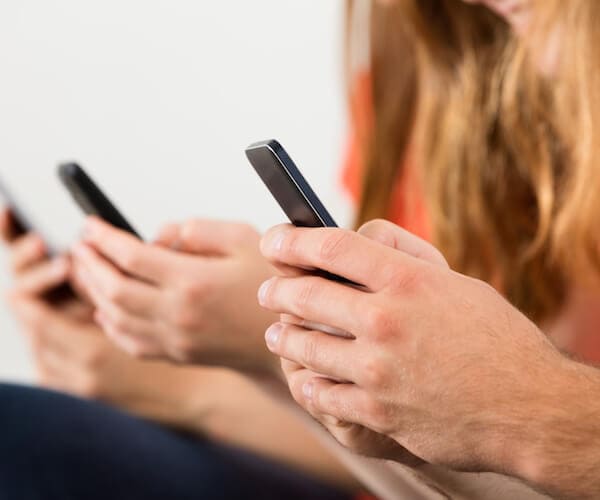
If you’re reading this on a screen, there’s a good chance your eyes haven’t had a break in hours. Australians spend on average 10 hours a day using electronic gadgets. While TV time is slightly declining, new platforms have come into play and the portability of smartphones have turned them into everything from flashlights to credit cards to health monitors. If you use your smartphone as an alarm clock, your eyes look at a digital device the second they open.
Just how much strain does technology put on our eyes? A lot. Headaches, sore eyes, blurry vision and increased sensitivity to light are all signs of what we call computer eye strain or computer vision syndrome. Unlike words printed on a page, electronic characters are made up of pixels and have blurred edges. This makes it more difficult for the eyes to maintain focus. Unconsciously, the eyes repeatedly attempt to rest by shifting their focus to an area behind the screen. This constant switch between screen and relaxation point causes the eyes to feel fatigued very quickly and may lead to visual deterioration in the long run. Another factor is the impact of screen time on blinking. When you look into a screen for any amount of time, you blink around three times less than usual, which can result in dry and irritated eyes.
And that’s not all – our eyes are also exposed to increased amounts of blue light. Blue light is emitted by the sun and artificial light sources, including digital screens such as your smartphone, tablet and computer. Blue light is beneficial to our eyes in moderation as it is necessary for regulation of the sleep/wake cycles, mood and cognitive performances, but it can also be the cause of premature eye ageing. Overexposure to blue light can damage the retina and potentially increase the risk of age-related macular degeneration.
So how can you reduce the impact of eye strain symptoms? There are a few steps you can take to perform more comfortably while preserving your vision, including adjusting light exposure and adhering to the ‘20-20-20’ rule: every 20 minutes, take a 20-second break and look at something 20 feet (6 metres) away (see more on our website). However, it may not just be screen time hurting your eyes, but the lack of proper glasses while looking at the screen.
Today, there are anti-fatigue lenses that use breakthrough technology to give clear sight to a longer focal range, which ultimately is better for your eyes than using a prescription that is too strong. These lenses offer all the benefits of single vision lenses, but encourage a more comfortable range of sight for computer users. This means you can use devices looking through the correct prescription rather than through your reading prescription, which will be too strong for those more intermediate requirements. As a result, your glasses are more versatile and functional.
These anti-fatigue lenses, coupled with anti-reflection coatings, help prevent long-term damage to your eyes. By selectively filtering harmful blue light emitted by digital screens, these lenses block out the bad and let in the good, improving contrast on your screen regardless of its brightness.
Now, has it been 20 minutes since you started reading? Don’t forget to look away.
Current evidence and clinical context
The American Academy of Ophthalmology’s digital-device guidance states that blue light from computers has not been shown to cause eye disease.
Related Smart Vision reading
Digital eye strain · Dry-eye management · Digital eye strain in children
Frequently asked questions
Do screens permanently damage the eyes?
Ordinary screen use can cause temporary discomfort, but digital-device blue light has not been shown to cause permanent eye disease.
Are blue-light glasses required for everyone?
No.
When should screen-related symptoms be checked?
When symptoms persist or include significant blur, pain or double vision.