SMART VISION · BONDI BEACH & MOSMAN
Dry Eye Smart Assessment
At a Glance
A Dry Eye Smart Assessment combines your symptom history with selected tests of the tear film, eyelids and eye surface. The aim is to guide care, not to promise a particular treatment or result. Ask our Bondi or Mosman team which appointment is appropriate for you.
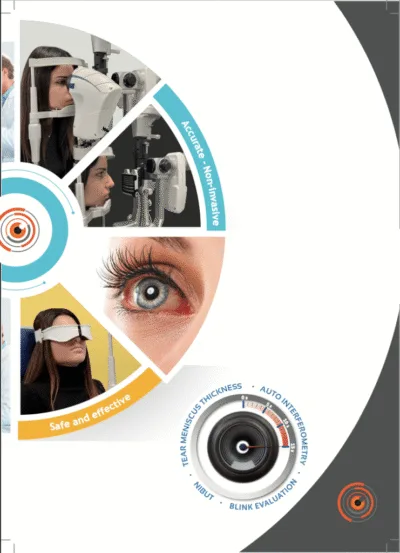
Comprehensive Dry Eye Smart Assessment at Smart Vision Optometry
Discuss dry-eye symptoms, test findings and next steps with Smart Vision Optometry in Bondi or Mosman.
Understanding Dry Eye Syndrome
Dry eye can involve reduced tear production, faster evaporation or a combination of problems. Similar symptoms can arise from other eye conditions, so an assessment considers the whole picture.
Symptoms of Dry Eye Syndrome:
- Persistent dryness, itching, and burning in the eyes
- Redness and irritation
- Blurred vision
- A sensation of having something in your eyes
- Increased sensitivity to light
- Eye fatigue
The Importance of a Comprehensive Dry Eye Assessment
The Dry Eye Smart Assessment brings together your history and examination findings to guide management or referral. No single test identifies every cause of discomfort.
What to Expect During the Dry Eye Smart Assessment:
- Detailed Patient History: We start by understanding your symptoms, medical history, and lifestyle factors that may contribute to dry eye syndrome.
- Tear film assessment: Tests may assess tear quantity and stability.
- Eye-surface examination: A slit lamp provides a magnified view of the front of the eye.
- Meibomian gland evaluation: These eyelid glands contribute oil to the tear film.
Personalised Treatment Plans for Dry Eye Relief
Your optometrist will discuss findings, suitable options and follow-up. Depending on the diagnosis, options may include:
- Artificial Tears and Lubricating Eye Drops: Selected to suit your symptoms and eye surface.
- Prescription Medications: Considered when indicated and prescribed with appropriate follow-up.
- Lid Hygiene Regimens: To improve the health of your eyelids and meibomian glands.
- Diet and general health: Discuss relevant health factors; supplements are not an automatic requirement.
- Procedures: Options such as IPL or punctal plugs require an individual discussion of benefits, risks and alternatives.
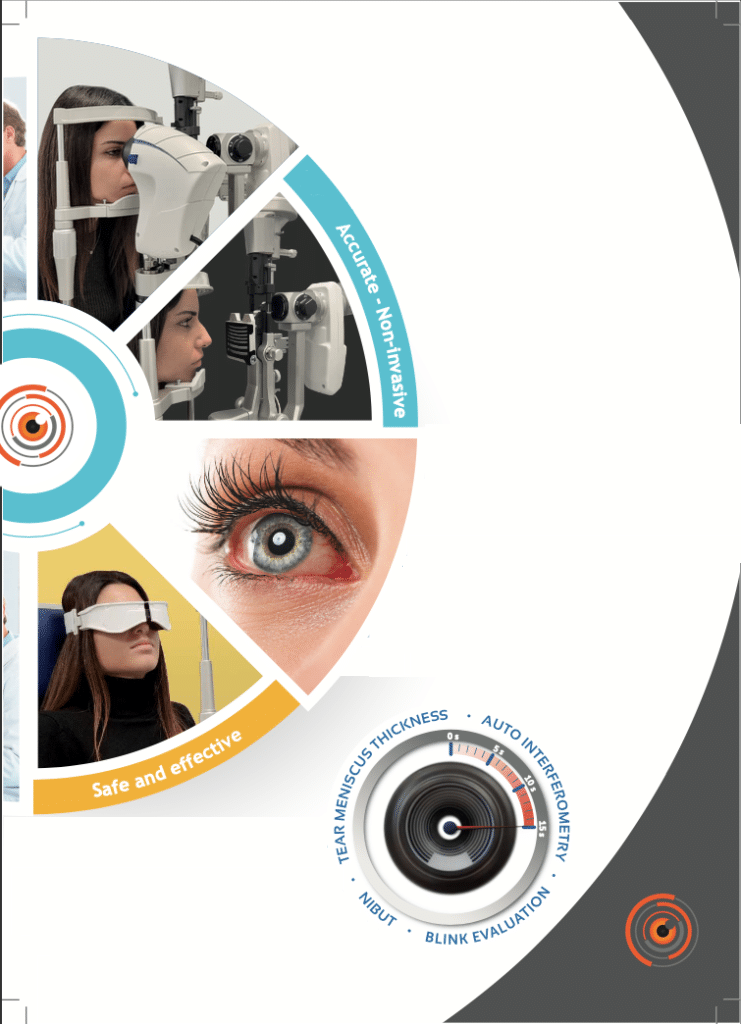
The assessment of the tear film
Your optometrist explains the selected tests and what to expect. Tell us about previous reactions to eye drops, contact-lens use, sensitivities or discomfort so these can be considered.
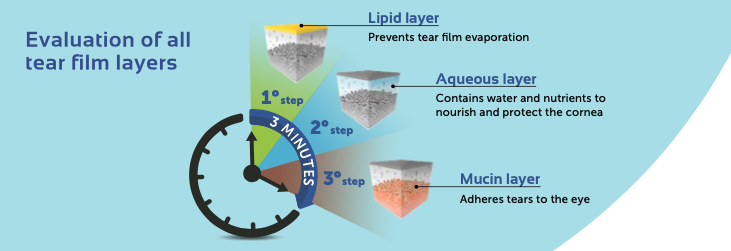
What is the tear film?
The tear film is the thin fluid covering the front of the eye. It helps keep the surface moist and supports clear vision.
What is the tear film composed of?
Its watery, oily and mucus components work together. Tear production, spreading, evaporation and drainage all affect the surface of the eye.
Understanding the examination process
The following tests illustrate parts of a dry-eye assessment. Your optometrist selects those relevant to your symptoms and findings; not everyone needs all nine. Results may provide a baseline for future review.
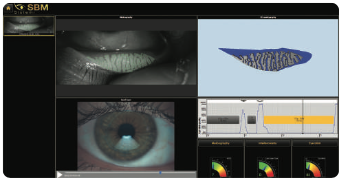
Auto Interferometry
Interferometry examines patterns in the oily surface of the tear film.
Measurements help describe the lipid layer and are interpreted with other findings.
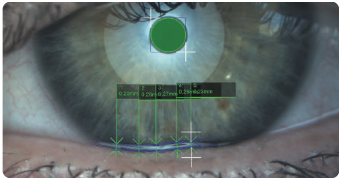
Tear meniscus height measurement
This estimates the depth of the tear reservoir along the lower eyelid.
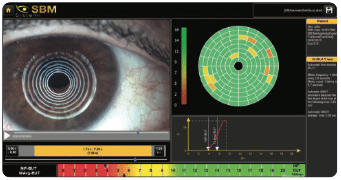
Auto-NIBUT
Non-invasive break-up time measures how quickly the tear film becomes disrupted after a blink.
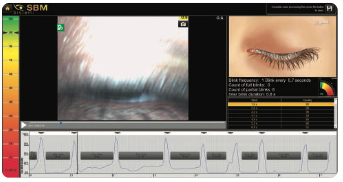
Blinking quality
Observation of blink frequency and completeness helps assess how tears spread across the eye.
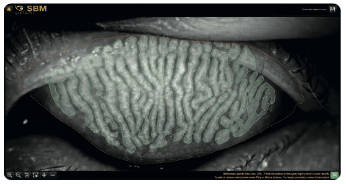
Meibography
Infrared images show the appearance of meibomian glands. Gland structure and function are assessed together.
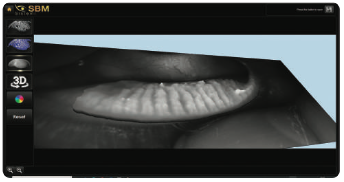
Meibography 3D
Software-generated 3D views can help explain an image. They do not independently establish the cause or severity of symptoms.
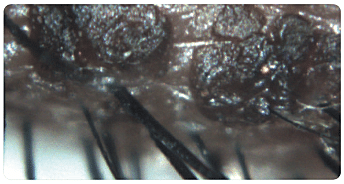
Cylindrical Dandruff and Blepharitis
Blepharitis is eyelid inflammation with several possible contributors, including bacteria, gland problems and mites. Examination of the lash bases helps guide assessment. See the National Eye Institute’s blepharitis guide.
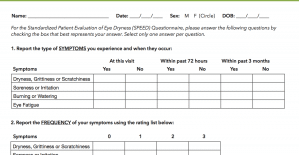
Dry-eye symptom questionnaire
A questionnaire records symptoms and their impact. It supports assessment and follow-up; it does not diagnose dry eye on its own.
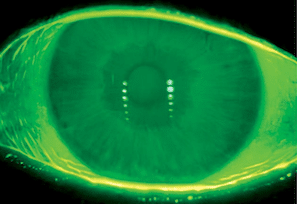
Fluorescein
Fluorescein dye helps assess tear-film break-up and surface staining.
Your optometrist reviews the combined findings with you and discusses a management plan, alternatives and when to reassess.
Treatment options
These pages describe options that may be discussed after assessment. Suitability, risks and current availability vary:
Prepare for your appointment
Bring your current eye drops, medicines list and relevant reports. Ask which findings explain your symptoms, what each proposed option is intended to do, what it costs and how progress will be reviewed.
Preparing for your appointment:
- Describe your symptoms: Note when they occur and what makes them better or worse.
- Bring relevant information: Include current treatments and previous reports.
- Discuss your needs: Let us know about access or communication requirements.
Contact Us
For routine enquiries, call Bondi (02) 9365 5047 or Mosman (02) 9969 1600. Confirm appointment length, fees and any contact-lens or eye-drop preparation with the practice.
Related information and assessment FAQs
Read about dry-eye management and treatment evidence and our SVO article on screen time and eye comfort. The 2025 TFOS DEWS III diagnostic report explains why symptoms, examination and selected tests are considered together. SBM’s device information provides background on the illustrated measurement methods.
Will I need every test shown on this page?
Not necessarily. Your optometrist selects tests according to your symptoms and examination findings. Ask which tests are proposed and why.
Can an image or questionnaire diagnose dry eye on its own?
No single image or questionnaire establishes every cause of symptoms. Your clinician interprets the results alongside your history and examination.
What should I bring to a dry-eye assessment?
Bring your current eye drops, medicines list, glasses and relevant reports. Contact the practice for advice about appointment preparation, timing and fees.
Care built around your individual needs
Discuss your needs with our Smart Vision behavioural optometrists. Your detailed assessment guides a personalised wellness treatment programme where appropriate.
Bondi Beach · Mosman