Published: 23 August 2021 | Updated: 27 September 2026 | Author: Smart Vision Optometry
Nearsightedness Explained
Despite advances in myopia control, most people still think that short-sightedness is just something that happens. “Most people think that you’re either short-sighted or you’re not,” says Gary Rodney, an internationally-recognised Fellow of the Academy of Orthokeratology and Myopia Control based in Sydney. “They also see the progression of myopia as being inevitable, but that’s not necessarily true. It’s important for people to have a better understanding of myopia and myopia control, particularly in children. It’s ironic that modern lifestyles are increasing the incidence of myopia at a time when its causes and treatment are better understood than ever before.”
Myopia Then and Now
The rising prevalence of myopia is all that’s needed to show that it’s not just a refractive error that glasses will fix. Genetic and environmental factors contribute, and higher myopia is associated with increased risks of eye conditions including glaucoma and retinal detachment. These risks do not mean that every person with myopia will lose sight.
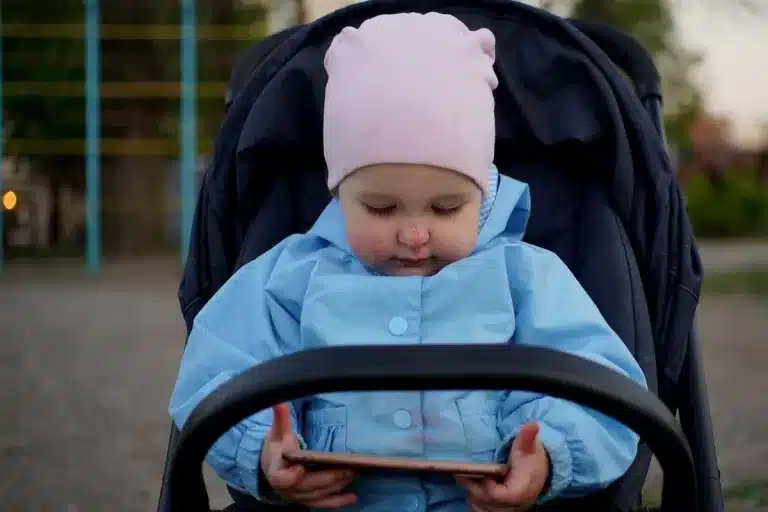
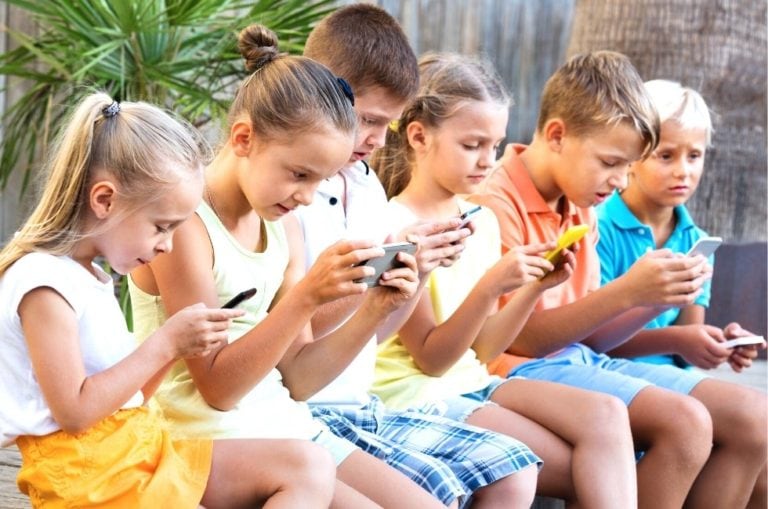
With myopia on the rise in the West, digital screens are bearing the brunt of the blame, but, says Gary, the rise in myopia was already noticed in Asia long before screens became part of daily life. “Broadly speaking, near work and lack of time spent outdoors in natural daylight seem to be the lifestyle changes that are affecting children’s eyesight,” says Gary. “Nowadays, near work quite often means screen time. However, long hours of study without a computer may have a similar effect.”
But there’s more to myopia than too much study and not enough outdoor play. “Genetics still play a role,” says Gary. “However, the expression of genes is determined, to some extent, by environmental factors, so it would be unwise to overlook their influence. The adverse effects of near work and the absence of the beneficial effects of time spent outdoors will have an impact, and a genetic predisposition to myopia would add to the potentially negative effects of both.”
How Eye Doctors Slow Myopia Progression
Myopia often begins in childhood. Earlier onset is associated with a greater risk of later high myopia, but progression varies. Some young adults continue to progress. Eye elongation is associated with increasing risk; retinal damage is not an inevitable outcome for every person. The thinking behind myopia control is logical. “If the progression of short sightedness can be slowed or stopped in children, the adult will have better vision,” says Gary. “As a result, children are the primary focus of myopia control interventions.”
Various treatments have been tested in clinical trials, and needless to say, there were some failures. “At one time, it was believed that providing corrective eyewear that helped myopic kids to see properly was part of the problem. Thankfully, a trial in which children were prescribed eyewear that wasn’t strong enough proved that forcing kids to struggle with their eyesight wasn’t going to solve any problems. We now know that the worse thing you can do to contribute to someone’s eyes getting worse is to under correct the prescription or to prescribe single focus distance glasses or contact lenses.”
Clinical clarification: Gary’s interview wording is retained. Undercorrection and appropriate single-vision correction are different. Standard single-vision lenses correct blur; they are not designed to slow progression, but that does not establish that wearing an appropriate prescription causes myopia to worsen. Do not weaken or stop a prescribed correction to try to control myopia.
At his practice in Mosman, Gary Rodney uses orthokeratology as a way to combat myopia in children. “Kids wear special contact lenses that reshape the cornea at night while they sleep. In most instances, myopia control is that easy,” says Gary, who also promotes the idea of more outdoor playtime. “There are various theories as to why playing outdoors in natural light slows the development and progression of myopia. Whatever the precise mechanism, it’s known that outdoor play makes a significant difference and is therefore to be recommended.”
“The ultimate goal for any optometrist would be the prevention of blindness. He or she will probably never know how many of today’s children are saved from blindness through myopia control interventions, but it’s a calling that can change lives and therefore one that Eyes in Design is passionate about.”
HEAR: Ultra106.5FM Interview with Gary Rodney – Covid and Myopia: What you need to know!
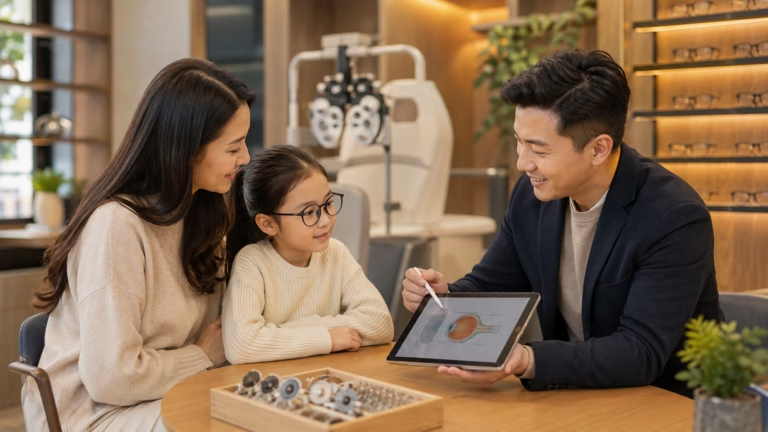
For more information on myopia and Smart Vision’s approach to myopia management, or to book an appointment, visit the Smart Vision website: Optometrists Sydney: Optometry Services For Children and Adults | Smart Vision; for specific information about Myopia treatment and prevention visit Myopia Prevention: Solutions, Control And Treatment In Sydney; and for detailed information about Myopia Treatment visit Orthokeratology In Sydney: The Non Surgical Alternative.
Download a DIY Myopia Prevention Strategy Checklist.
Myopia Prevention, Control & Management
Book Now to Take Control of Myopia
READ MORE:
Nearsightedness Treatments
Editorial update: correction, progression and outdoor time
Gary’s original interview and quotations are retained above. Myopia control aims to slow progression, rather than guarantee that it will stop or reverse. The IMI clinical management guidelines distinguish appropriate correction, individual treatment selection and ongoing monitoring.
The evidence is stronger for outdoor time reducing myopia onset than for slowing established myopia. The IMI report on light and myopia discusses this distinction. Outdoor activity with appropriate sun protection complements care.
Ortho-K’s daytime vision effect is temporary, and overnight contact-lens wear requires fitting, hygiene and follow-up because infection can threaten sight. The interview’s description of ease should not replace individual suitability advice. Read the Ortho-K lens-care information and our related articles on myopia beyond blur, nutrition and myopia, and appointment planning.
Frequently asked questions
Does myopia control cure short-sightedness?
No. Treatment aims to slow progression; it does not guarantee that myopia will stop or reverse. Clear vision and regular monitoring remain important.
Is outdoor time enough once a child has myopia?
Outdoor time is encouraged, but evidence for slowing established myopia is less certain than evidence for reducing its onset. It should not replace an individual management plan.
Is Ortho-K suitable for every child?
No. Suitability depends on examination findings and the ability to manage lens care and follow-up. Benefits, alternatives and infection risk should be discussed before treatment.
Discuss a myopia management plan
Explore our myopia assessment and management service. Contact the Bondi Beach practice or Mosman practice to discuss an appointment. Further information is also available on our myopia website and orthokeratology website.