
Published: 16 August 2021 | Updated: 28 September 2026 | Author: Smart Vision Optometry
Editorial and clinical update — 30 September 2026: The original article/interview below is preserved from the pre-project WordPress revision, including its attributed quotations and editorial structure. Dry-eye and blepharitis care is diagnosis-specific. No single product, device or procedure suits every patient, and historical claims about safety, comfort or duration of relief should not be read as guaranteed outcomes. Current evidence and guidance below should be relied on where older wording differs.
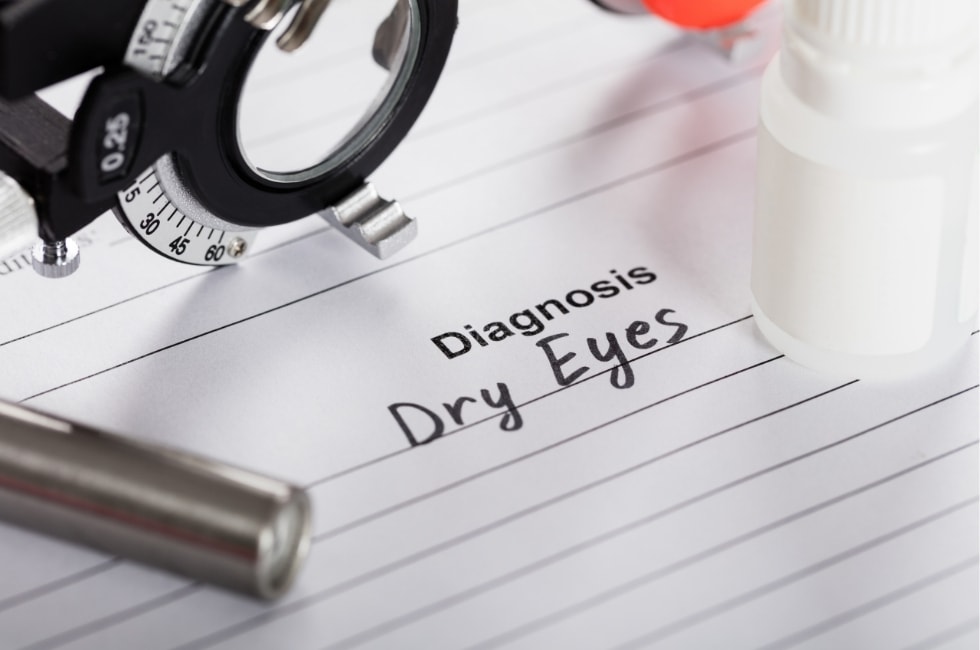
What Is Dry Eye Disease?
Blepharitis is characterised by inflamed eyelids, often with flaky skin around them, and red, itchy, dry eyes. Having dry eyes doesn’t necessarily mean someone has blepharitis, an uncomfortable inflammation of the eyelids, but the two often go together. Here’s what happens.
Bacteria live on human skin, and they live on eyelids too. It’s perfectly natural. But when there’s an overgrowth of bacteria on the eyelids and at the base of the lashes, a variety of problems can occur. The bacteria can produce exotoxins that inflame the glands that would ordinarily produce oil as a component of your tear fluid – and the result is often chronic dry eye.
A Relatively Common, but Knotty Problem
It’s not something that gets talked about much, so one may be surprised to find that between 15 and 25 percent of people experience blepharitis. Unfortunately, it’s not a problem that will go away on its own, and although treatment provides relief, people with this condition will probably have to go for repeat treatments from time to time.
When dry eye is caused by blepharitis, special therapeutic devices can help to solve the problem far more quickly and effectively than was the case in the past when eyelid scrubs and topical treatments were the only available way of dealing with the issue.
“Eyes in Design is pleased to be able to offer its patients BlephEx and BlephaSteam – the two most recent advances in the treatment of chronic dry eye,” says Jacqueline Gattegno, a Sydney-based behavioural optometrist.
In-Office Treatments are Safe and Painless
The new technologies for combatting blepharitis have been thoroughly tested and are approved by authorities around the world. The safe, effective treatments are recommended by the Dry Eye Institute of Australia and are also painless, says Jaqueline. “BlephEx offers a very gentle way to exfoliate the lids and lashes, removing the bacterial debris that causes most eyelid inflammations. BlephaSteam, on the other hand, gently melts the congealed secretions that block oil-producing glands.”
“Eyes in Design has received very positive feedback from patients following these therapies,” says Jacqueline. “Dry eyes and blepharitis often go together and when they do, we are usually able to relieve the symptoms of both problems at once using these technologically-advanced pieces of equipment.”
Healthy Lifestyle Reduces Flare Ups
Although blepharitis is inclined to recur, having a healthy lifestyle can help to reduce the frequency and intensity of flare-ups. “You may notice that your blepharitis is worse after eating certain foods,” says Jaqueline.
“In any event, a healthy, balanced diet helps the body to take better care of itself, so there’s a possibility that a healthier diet and lifestyle will reduce the recurrence of blepharitis. Women should avoid wearing eye-makeup during inflammations, and may later benefit from choosing cosmetics intended for people with sensitive skins.”
“The good news that comes with the development of new technologies for the treatment of blepharitis is that patients can experience longer-lasting relief sooner. Don’t delay blepharitis treatment. Its complications can be severe if it is left to itself, and since you will be in considerable discomfort, seeking relief is the smart thing to do.”
HEAR: Ultra106.5FM Interview with Jacqueline Gattegno – Changes in Eyesight Due to a Rise in Stress Levels
To learn more about dry eyes and how to treat it, visit the Smart Vision website: Optometrists Sydney: Optometry Services For Children and Adults | Smart Vision; for specific information about Myopia treatment and prevention visit Myopia Prevention: Solutions, Control And Treatment In Sydney; and for detailed information about Myopia Treatment visit Orthokeratology In Sydney: The Non Surgical Alternative.
Effective Dry Eye Disease Management
Book Now to Alleviate Your Symptoms with Our Dedicated Eye Care
Current evidence and clinical context
Healthdirect Australia’s dry-eye guidance explains that dry eye can occur when the eyes do not make enough tears or when tears evaporate too quickly. Symptoms can include burning, grittiness, redness, light sensitivity, fluctuating blurred vision and, in some people, watery eyes.
Contributors can include meibomian gland dysfunction and other eyelid problems, medicines, contact-lens wear, prolonged screen use and environmental conditions. Treatment therefore depends on the likely cause and examination findings rather than on one device or product being suitable for everyone.
Management may include lubricating drops, changes to contributing medicines or environmental factors where appropriate, and eyelid care such as warm compresses or lid hygiene when indicated. In-practice procedures may be considered for selected patients, but expected benefit, risks, alternatives, costs and follow-up should be discussed before treatment.
Related Smart Vision reading
Dry-eye management · Dry Eye Smart Assessment · BlephEx and eyelid hygiene · SMART IPL information
Frequently asked questions
Can dry eye make the eyes water?
Yes. Irritation of the eye surface can trigger reflex tearing, so watery eyes can occur even when the underlying problem is dry eye.
Is one dry-eye treatment suitable for everyone?
No. Treatment depends on the cause, examination findings, symptoms, medicines, eyelid and tear-film findings, and other individual factors.
When should a red or painful eye be checked promptly?
Marked pain, light sensitivity or reduced vision deserves prompt assessment rather than assuming the symptoms are routine dry eye.