SMART VISION · BONDI BEACH & MOSMAN
Smart Diagnostic Technology
At a Glance
Dry-eye diagnostic technology measures selected features of tears, blinking and eyelid glands. It supports clinical assessment and discussion; results do not automatically determine a treatment. Contact our Bondi or Mosman team about the appropriate appointment.
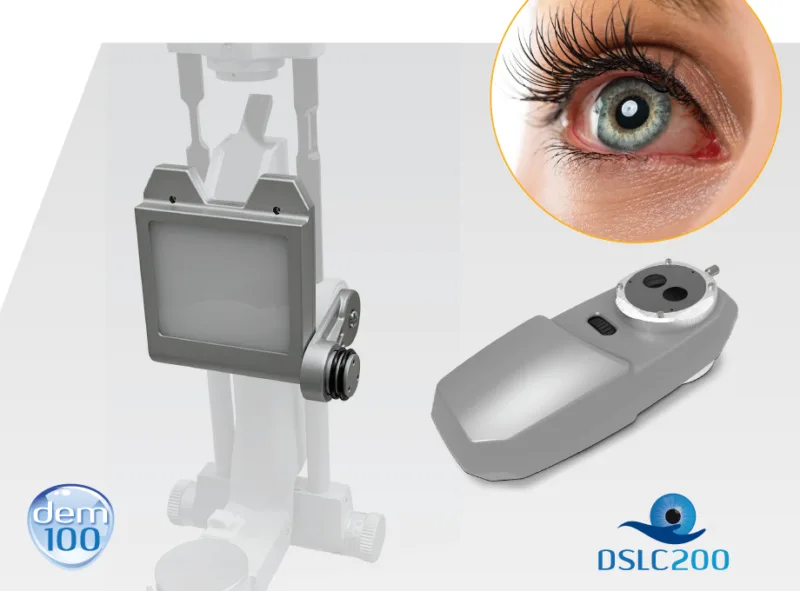
DEDICATED DRY EYE PLATFORM
Digital imaging can support a dry-eye assessment by recording features of the tear film and eyelid glands. Your clinician interprets the findings alongside your symptoms and examination.
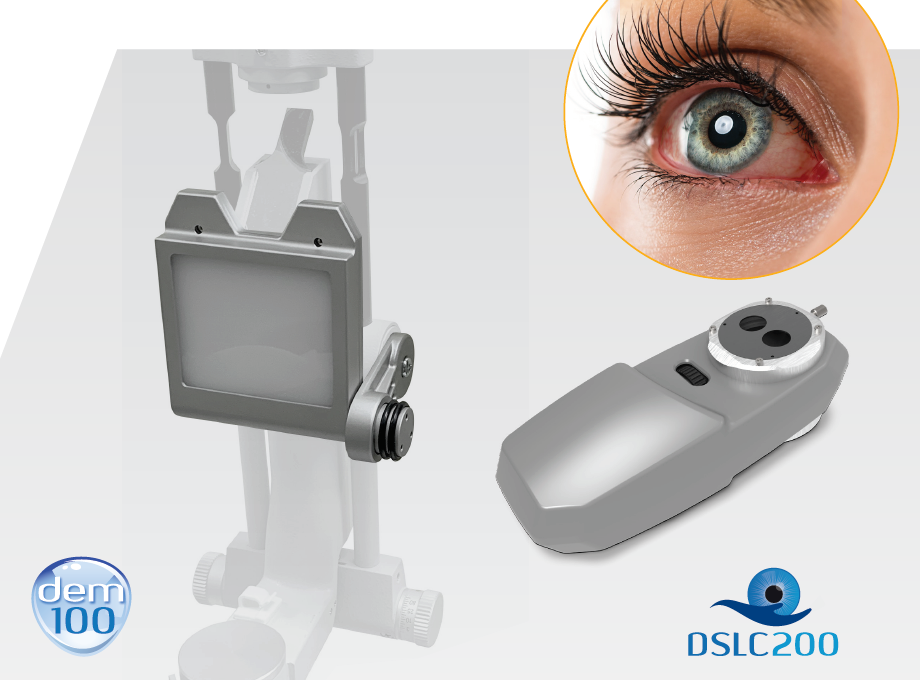
ASSESSMENT OF DRY EYE
An assessment combines your history with selected measurements. No single instrument provides a complete diagnosis or explains every cause of discomfort.
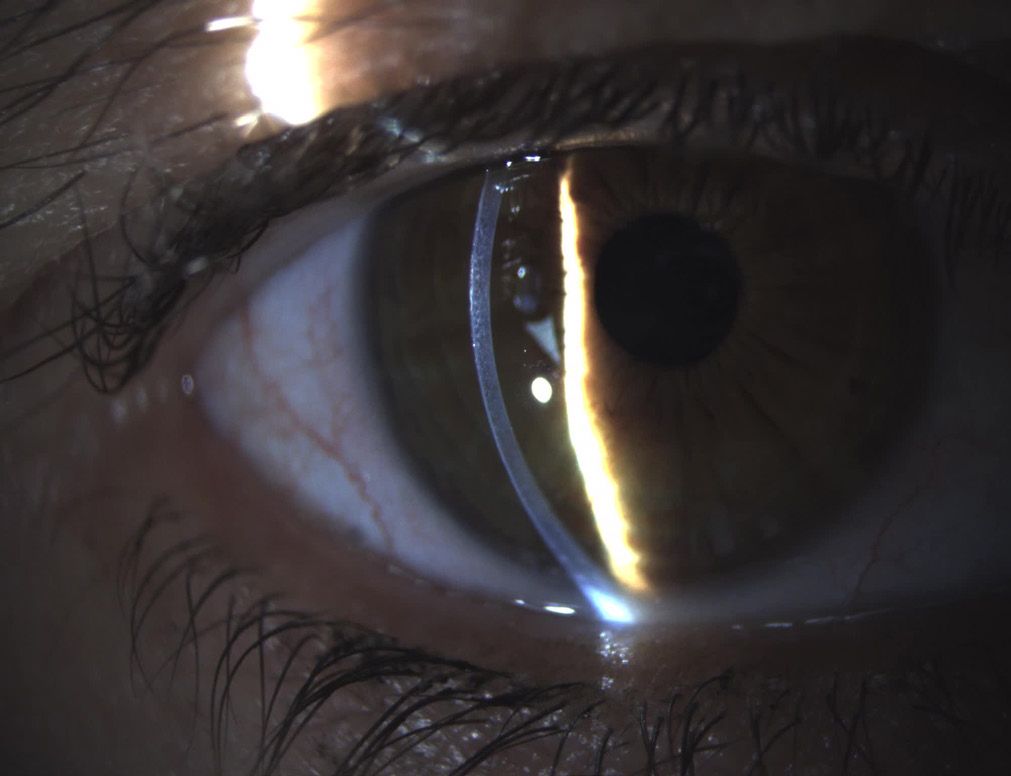
Smart Vision Advanced Diagnostic System
The measurements below describe different aspects of the tear film. Ask which tests are suitable and available at your appointment.
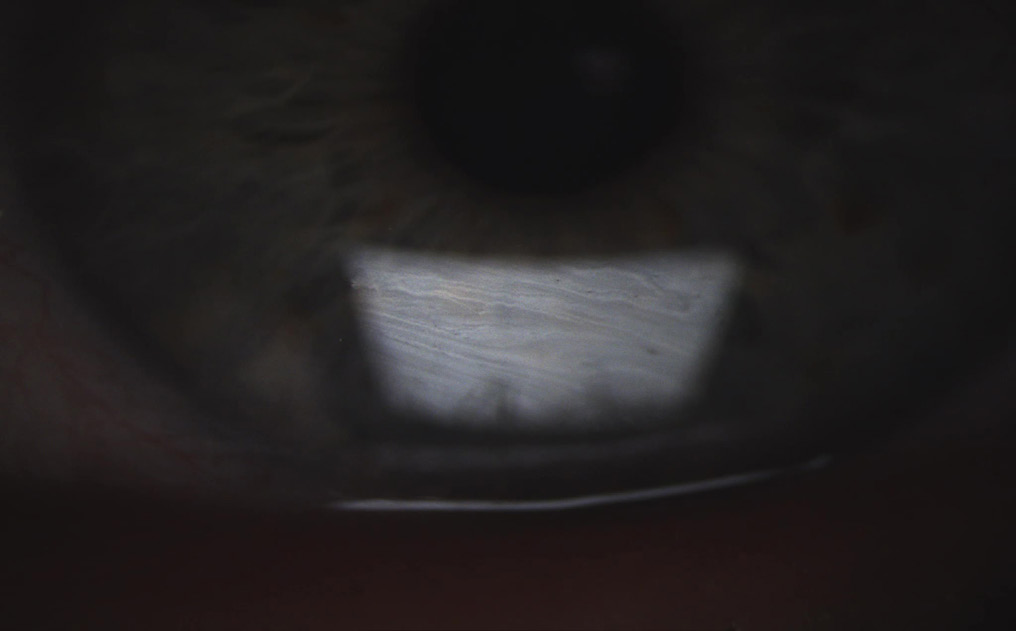
AUTO INTERFEROMETRY
Interferometry examines patterns in the oily surface layer of the tear film.
Software can estimate lipid-layer thickness. The result is one part of the assessment, not a stand-alone diagnosis.
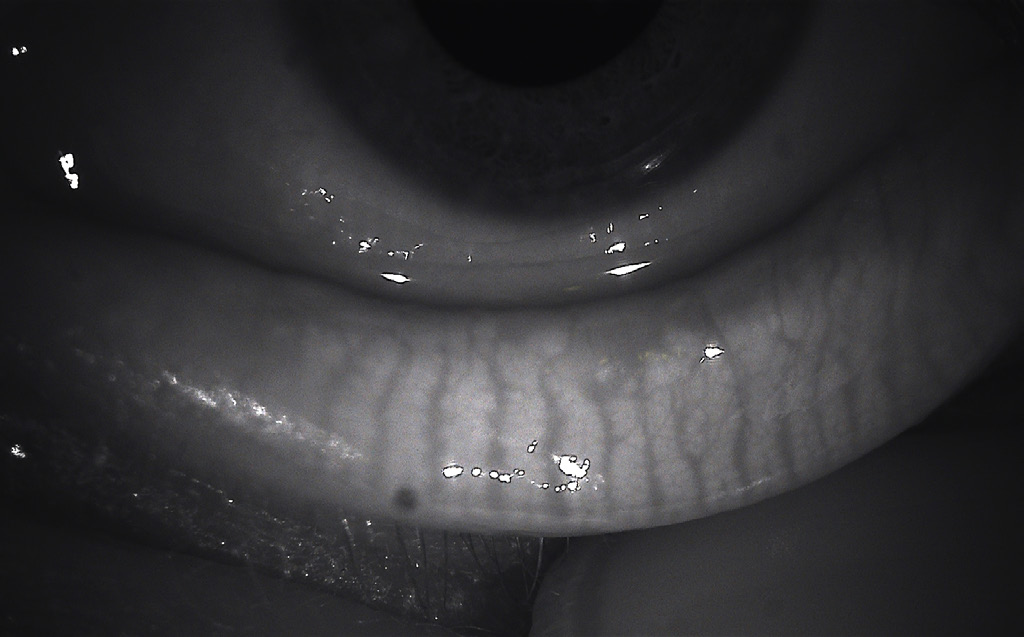
MEIBOGRAPHY
Infrared images show the appearance of the meibomian glands within the eyelids. Gland structure and function need to be considered together.
3D MEIBOGRAPHY
Software-generated 3D views can help explain gland images. An image alone does not establish whether IPL or another procedure is appropriate, or predict a treatment outcome.
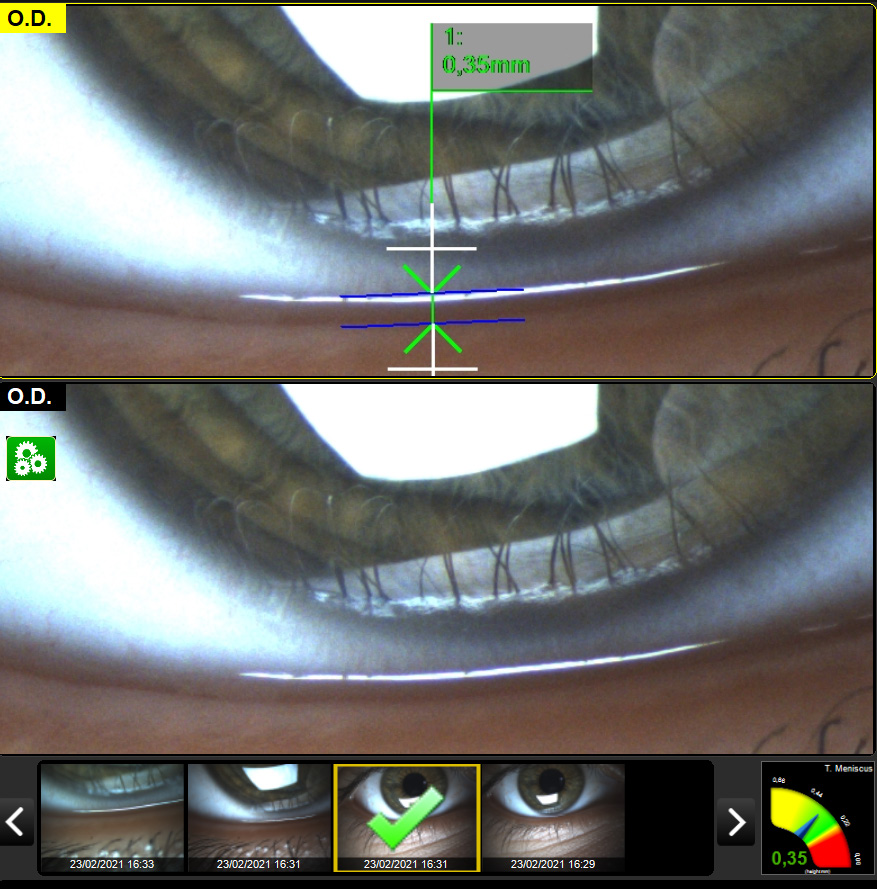
TEAR MENISCUS
The tear meniscus is the fluid reservoir along the eyelid margin. Its height and shape can provide information about tear quantity.
BLINK QUALITY
Observing blink frequency and completeness helps assess how tears spread across the eye surface.
SELECTED TESTS WITHIN A DRY-EYE ASSESSMENT
TESTS MAY INCLUDE:
- Lipid-layer assessment where indicated
- Meibography
- Tear meniscus Height
- Automatic detection of Blinking motion
Plan Your Assessment
Read what to expect from a Dry Eye Smart Assessment, explore dry-eye management, and see our SVO article on screen time and eye comfort. Bring your current drops, medicines list and relevant reports.
For routine enquiries, call Bondi (02) 9365 5047 or Mosman (02) 9969 1600, or request an appointment online.
Background: the National Eye Institute guide to dry-eye testing explains different assessments. SBM device information describes the illustrated measurement methods; it is not independent evidence of treatment benefit.
Does imaging diagnose every cause of dry-eye symptoms?
No. Images and measurements are considered alongside your history and an examination. Similar symptoms may have different causes.
Does gland imaging mean I need IPL?
No. Treatment decisions require an individual assessment and a discussion of benefits, risks and alternatives. An image alone does not establish suitability.
Will I have all the tests shown here?
Not necessarily. Your optometrist selects tests according to your symptoms and findings. Ask about the proposed tests, preparation, availability and fees.
Care built around your individual needs
Discuss your needs with our Smart Vision behavioural optometrists. Your detailed assessment guides a personalised wellness treatment programme where appropriate.
Bondi Beach · Mosman