
Published: 6 October 2015 | Updated: 30 September 2026 | Author: Smart Vision Optometry
Editorial and clinical update — 30 September 2026: The original article/interview below is preserved, including its attributed quotations and editorial structure. Current evidence and guidance below should be relied on where older wording differs.
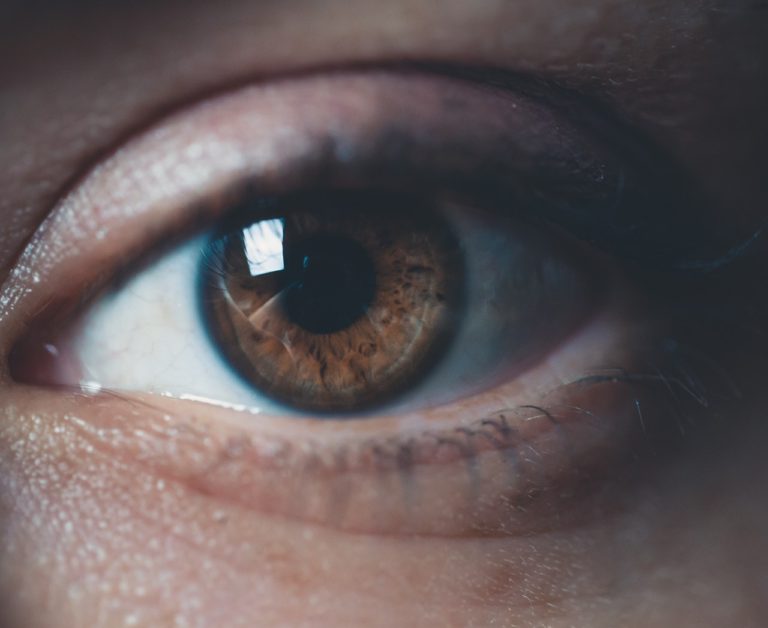
We have all heard the old proverb “the eyes are the window to the soul” and I guess that’s true. The eyes hold stories seen only by the person who possesses them. They are irreplaceable pieces of us that allow us not only to look, but to see.
Understanding the Value of Your Eyes
At the most basic and functional level, the eyes are organs of sight. They are these fascinating little twin balls of muscle, veins and tissue all connected to a great big computer-like sculpture residing in your skull called a brain. In reacting to light, the eyes are able to manipulate images and draw information from the world around us.
On another, maybe more important level (just don’t tell the optometrists I said that), the eyes allow us to function efficiently as social beings. The notion is simple, if we are able to judge where another person is looking, then we are able to gain valuable information as to what they are thinking, feeling and what they might do next (1). Infants as young as six months old have been shown to demonstrate the capacity to match their mother’s direction of gaze (2). This suggests the ability – we as adults understand – that if one’s gaze is directed to a particular object over another they must prefer that object. So it follows that if one is maintaining eye contact, then they are interested and engaged in that person and conversation. It also allows for a feeling of social “connectedness” which is significant for personal wellbeing and happiness (3).
If your eyes do not work well together, if they do not accurately send messages back to the brain for it to interpret, or if they are unable to perform at minimal demand, then there is no limit to the types of difficulties that you might encounter. Keeping up with peers in school, work and social environments can be difficult. Athletic ability can be reduced, maintaining attention and concentration becomes a challenge, and often processes that would otherwise be automatically controlled aren’t anymore. For example, keeping your tongue inside your mouth when trying to focus on a task (admit it, we all know someone that does that) and even turning the radio down when trying to see street signs and follow directions (because we totally can’t see if there is too much noise, right?)
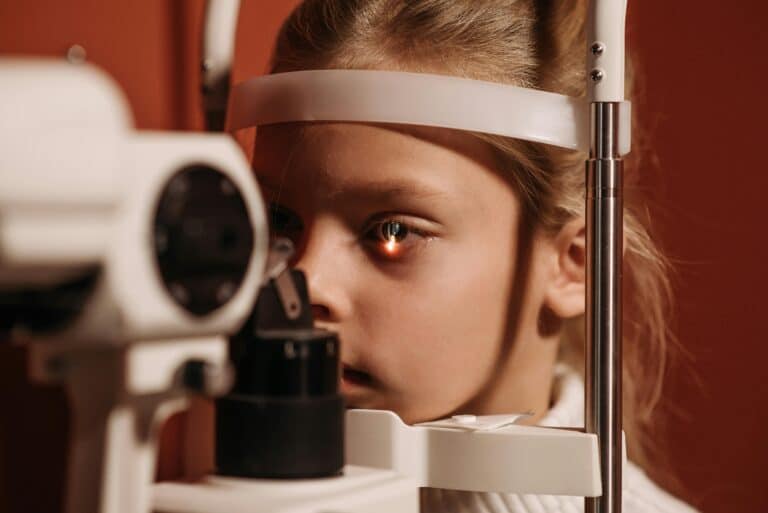
80% of what we learn is mediated through the visual system (4) and the fact of the matter is we all have two eyes. Just two and that’s it. So why wouldn’t we want to take care of them?! Smart Vision Optometry recommends yearly optometric checks for school-age children and every two years for adults (*). We also believe in vision screenings for infants as young as 6 months old, as often big visual issues can be missed until the child reaches school. In our comprehensive examinations, our behavioural optometrists are able to identify functional stress, visual processing difficulties and conditions such as liver disease, brain tumours, macular degeneration, glaucoma, cataracts, high cholesterol, high blood pressure, diabetes and various blood diseases.
So have a think about your eyes and your visual skills. Are they helping or hindering your performance? Do you have an artist’s eye? A kind eye? The eye of a tiger? Are they big, are they small, are they dark or light? Are they the reason that you are able to function as the person you are today? Would it be important for you to maintain that level of function or to improve upon this? What do your eyes mean to you? So many questions that our Smart Vision optometrists can answer.
(*) Recommendation is subject to existing optical and/or medical conditions, optometric advice and management.
(1) New York Times, For Human Eyes Only, Published: January 13, 2007.
(2) Morales, M., Munday, P., & Rojas, J. (1998) Following the direction of gaze and language development in 6 months olds.Infant Behavior and Development, Volume 21, Issue2, pg 373 – 377.
(3) Wesselmann, E. D., Cardoso, F. D., Slater, S., & Williams, K. D. (2012) Psychological Science.
(4) Harris, P. (2014). Literature reviews from around the globe. Optometric Extension Program Foundation Inc. USA.
Current evidence and clinical context
Healthdirect’s eye-test guidance explains the role of eye examination and referral. An eye check is not a definitive test for every systemic disease listed in this historical essay.
The essay’s broad learning percentage and social interpretations are not diagnostic rules. Eye contact, reading behaviour or posture alone should not be used to infer a person’s attention, feelings or diagnosis.
Related Smart Vision reading
Eyesight and visual function · Comprehensive eye assessment
Frequently asked questions
Can eye behaviour alone reveal a diagnosis or someone’s feelings?
No. It should not be interpreted in isolation.
Does an eye examination rule out every systemic disease?
No. Findings may prompt medical referral, but do not replace appropriate medical assessment.
Is one examination interval right for everyone?
No. Timing depends on age, symptoms, risk and professional advice.