Published: 4 March 2021 | Updated: 28 September 2026 | Author: Smart Vision Optometry
Editorial and clinical update — 28 September 2026: The original article/interview body below is retained in its editorial form, including its attributed quotations and narrative structure. Current evidence and clinical guidance are presented separately below and should be relied on where older wording or claims differ.
Historical article — 4 March 2021. This article covers lockdown-era research discussed in 2021. References to restrictions, practice arrangements and research reflect that period and should not be read as current guidance. For current practice information, contact Smart Vision Optometry.
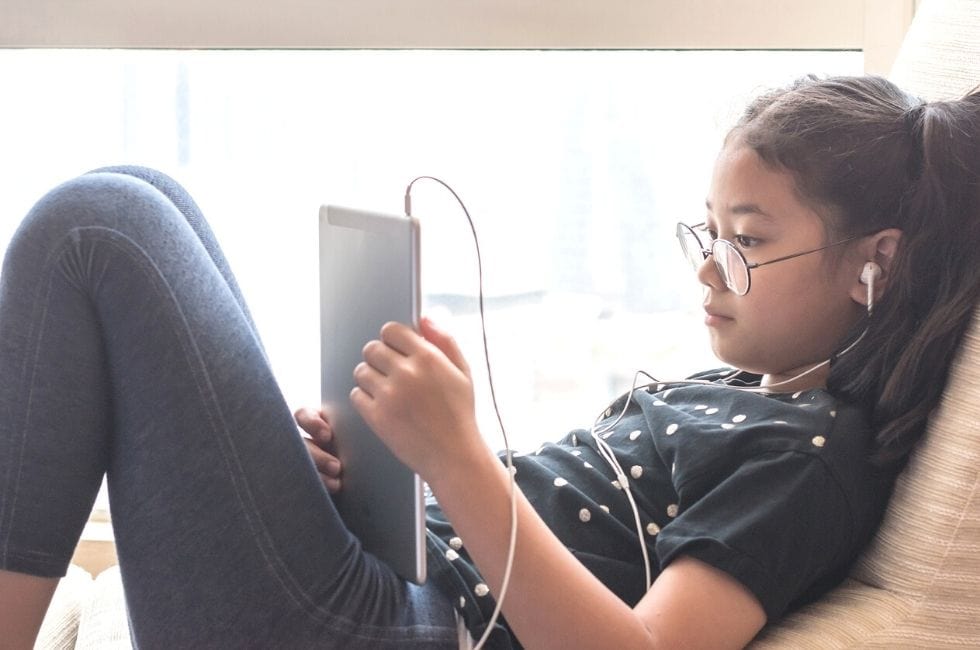
The Covid-19 pandemic and its lockdowns haven’t only impacted on the health, economic and business sectors. Studies and surveys show they have also taken a heavy toll on eye health. And the rise in the prevalence and severity of vision disorders, errors and diseases, is especially evident in the increase in digital eye strain and myopia (nearsightedness) among young children, according to Australian behavioural optometrist and fellow of the International Academy of Orthokeratology and Myopia Control, Gary Rodney.
He points to a British survey by the College of Optometrists in which 22% of respondents felt their vision had worsened during lockdown. Separately, 32% believed more screen time had worsened their vision, rising to 42% among those aged 18 to 34. These were respondents’ perceptions, not clinical measurements of deterioration.
How Lockdown Impacted on Vision
“The escalation in eye problems since the pandemic started in 2020 isn’t surprising. Lockdown regulations and the virus itself led to increased stress and anxiety levels; mandatory indoor lifestyles, and less exercise and outdoor time. It also brought about a huge increase in the frequency and length of exposure to cell phones and screens, as more and more people worked, taught their children, or sought entertainment, while “staying at home”. And all of these factors are known to contribute to eye problems,” Rodney says.
“Treatments and regular eye check ups were also disrupted. This is partly due to a reluctance to go to eye clinics for fear of Covid-19 infection, which research shows affected close to 60% of people surveyed. And many hospitals postponed eye surgery, especially with regard to cataracts, one of the biggest causes of eye impairment and vision loss in those over 40, and even more so in those over 60.”
Lockdowns’ Effect on the Myopia Epidemic
Rodney says that pre-Covid-19, nearsightedness was already affecting billions of people worldwide, and predictions were that by 2050 it would be impacting on every second person globally. But Rodney says the results of an on-going study, which has gathered data on myopia since 2015 from more than 120,000 Chinese children between 6 and 13 years old, paints a dim picture of what’s now being called “quarantine myopia”. The findings heightened concern, but this one population study does not establish a higher global forecast for 2050.
The 2020 screenings found myopia in 21.5% of six-year-olds, 26.2% of seven-year-olds and 37.2% of eight-year-olds. The highest corresponding percentages during 2015–2019 were 5.7%, 16.2% and 27.7%. This was a comparison of prevalence, not a threefold increase in every child’s prescription. The younger age groups also showed an approximately −0.3 dioptre shift towards myopia. Dioptres describe refractive power, not visual acuity.
According to Rodney, the importance of myopia extends beyond blurred distance vision. Uncorrected blur can make classroom and everyday tasks harder, while higher myopia is associated with increased risks of conditions such as retinal detachment, glaucoma, cataract and myopic macular degeneration. These risks do not mean that every person with myopia will develop sight-threatening disease or that myopia necessarily causes psychological or learning disorders.
For more information on vision problems, or to make an appointment, visit the Smart Vision website: Optometrists Sydney: Optometry Services For Children and Adults | Smart Vision; for specific information about Myopia treatment and prevention visit Myopia Prevention: Solutions, Control And Treatment In Sydney; and for detailed information about Myopia Treatment visit Orthokeratology In Sydney: The Non Surgical Alternative.
Book an appointment for a thorough eye check-up or Call the Bondi clinic on (02) 9365 5047 or the Mosman clinic on (02) 9969 1600.
Research context and current eye care
Editorial update — 28 September 2026: Gary Rodney’s original interview quotations are retained above. The College’s June 2020 report surveyed 2,000 UK adults. Its 59% figure concerned worry about catching coronavirus on a forthcoming optometrist visit; it was not the percentage who had missed treatment. These historical UK findings are not current Australian statistics.
The 2021 JAMA Ophthalmology study included 123,535 children in Feicheng, China. It found an association with home confinement, not proof that screens or lockdown alone caused myopia. Measurements were noncycloplegic, and eye-length measurements and orthokeratology histories were unavailable. Results from one population cannot predict an individual child’s outcome.
For related reporting, read our articles on the 2050 myopia projections, what parents should know about myopia, and myopia control and management. New or changing blur warrants advice from your optometrist rather than waiting for a routine review.
Frequently asked questions
Did lockdowns prove that screens cause myopia?
No. The study discussed here found an association during home confinement. It did not isolate screens as the cause of an individual child’s myopia.
Are these figures current Australian statistics?
No. They describe a Chinese school population screened in 2015–2020 and should be read in that historical context.
Should I wait for a routine review if my child notices blur?
Contact your optometrist about new or changing symptoms. They can advise when an assessment is needed.
Myopia assessments in Bondi Beach and Mosman
Explore our myopia assessment and management service, or contact the Bondi Beach practice or Mosman practice. Current appointment arrangements are available from the practices.
Further information is available on our myopia website and orthokeratology website.