Published: 9 August 2021 | Updated: 28 September 2026 | Author: Smart Vision Optometry
Editorial and clinical update — 28 September 2026: The original article/interview body below is retained in its editorial form, including its attributed quotations and narrative structure. Current evidence and clinical guidance are presented separately below and should be relied on where older wording or claims differ.
It’s certainly possible to lead a full life despite living with diabetes, but being extra vigilant about a range of possible complications that are associated with it will be important. Regular eye exams should be part of a health-conscious lifestyle, particularly for those living with diabetes, says Australian behavioural optometrist and fellow of the International Academy of Orthokeratology and Myopia Control (FIAOMC), Gary Rodney.
For a diabetic, the most dangerous threat to their vision is known as diabetic retinopathy. It’s a condition in which the retina of the eye becomes scarred after diabetes-related damage to its blood vessels, and it can lead to blindness, but the good news is that even if someone is diagnosed with this condition, there are effective ways to slow or stop its progression.
Diabetics are also more susceptible to cataracts and macular degeneration. That doesn’t mean that they are sure to develop vision problems if they’re diabetic – but if they are among those who do, early detection and treatment could save their vision.
When and How Often Diabetics Should See an Eye Doctor
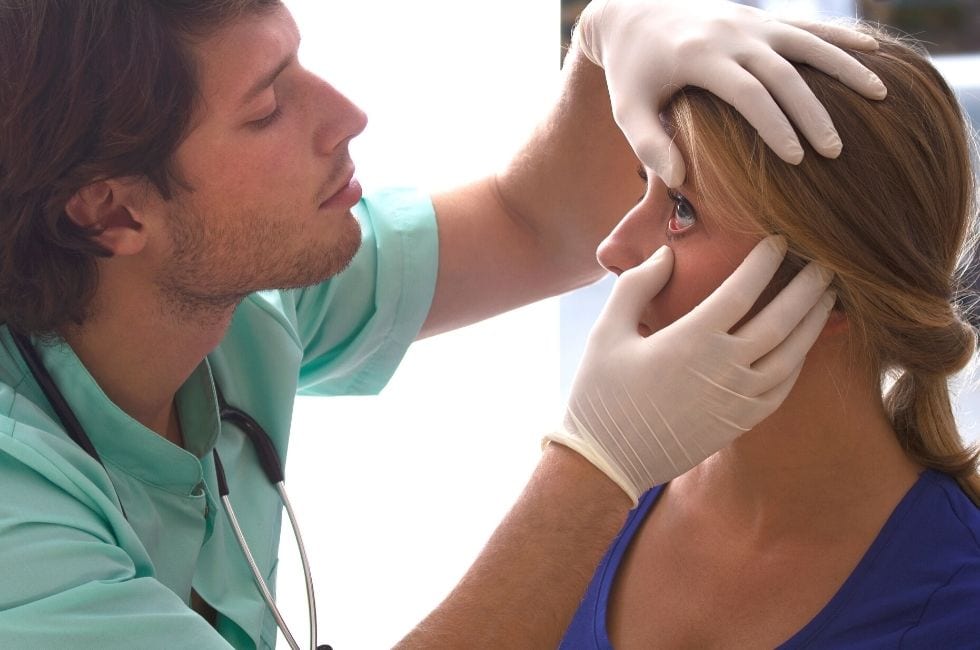
It’s a good idea for people with diabetes to go for an eye examination soon after their diagnosis. If they’ve been living with undiagnosed diabetes for some time, retinopathy may already have begun to develop. After the first screening, diabetics should have an annual eye exam – unless they notice any unusual symptoms or vision changes between check-ups.
If retinopathy is diagnosed, eye doctors may need to follow up more frequently, and complying with a regular regimen of check-ups and treatments could be vital for maintaining their vision. “With timely and expert care, it is often possible to halt the damage caused by diabetic retinopathy,” says Gary Rodney.
Why People Sometimes Don’t Comply
Diabetes eye screening isn’t painful or invasive. Nevertheless, says Gary, many diabetics are inclined to put off their appointments. “There are several reasons for this,” says Gary. “People who have been diagnosed with diabetes are often terrified by well-meant attempts at persuading them to attend various screenings. Healthcare professionals are inclined to highlight what may happen if there isn’t regular screening, but it can be counterproductive. Patients become afraid. They put off screenings because they’re scared of getting bad news. Once they’ve put it off for long enough, they become nervous about scheduling screenings because they think they’ll be criticised for negligence.”
There’s also a practical side to things: “Drops that dilate the pupil are used for the examination,” explains Gary. “Patients aren’t able to drive after their screening. They don’t want to bother their friends or family, especially when they don’t have any worrying symptoms to report. However, Eyes in Design would like to encourage them to keep up their regular screenings, and their friends and family would surely do the same.”
Eye Screening is About the Good News
Gary says that there’s nothing to fear from an eye screening. “Eye screening is good news,” he says. “It doesn’t hurt, and if the results say there’s nothing to worry about, you can celebrate. If eye doctors do pick up the beginnings of a problem, it’s more easily treatable than if you wait until symptoms begin or become unbearable. Either way, patients can only win. If you’re a little behind on your screenings, it’s time to rectify that. Make that appointment. You’ll be glad you did.”
“Diabetics rely on a team of healthcare professionals who will work with them to ensure the greatest possible quality of life. Optometrists are among these, and Eyes in Design is proud of its role in supporting people with diabetes through the eye-related health issues they face,” says Gary.
HEAR: Ultra106.5FM Interview with Gary Rodney – Covid and Myopia: What you need to know!
For more information on eye health, eye screening, or to book an appointment, visit the Smart Vision website: Optometrists Sydney: Optometry Services For Children and Adults | Smart Vision; for specific information about Myopia treatment and prevention visit Myopia Prevention: Solutions, Control And Treatment In Sydney; and for detailed information about Myopia Treatment visit Orthokeratology In Sydney: The Non Surgical Alternative.
Current evidence and clinical context
Early diabetic retinopathy may not affect the vision you notice in daily life. Healthdirect recommends regular eye checks for people with diabetes, including when vision seems normal. Read our diabetes eye-check overview for the reasons screening matters.
Arrange transport rather than relying on driving yourself home after dilation. Do not drive or use heavy machinery until vision has returned to normal, your eyes are comfortable and you meet the clinician’s advice. Sunglasses may help with bright light. Guy’s and St Thomas’ guidance on dilating drops explains these effects; follow the instructions given for the drops used at your appointment.
NDSS advises that most people with diabetes need checks every one to two years, with individual advice about when to start and more frequent checks where indicated. Diagnosed retinopathy may need a different schedule. Our retinopathy stages and treatment guide explains why findings change the plan.
Related reading
diabetes eye-check overview; retinopathy stages and treatment guide.
Frequently asked questions
Should I restart eye checks if I am overdue but have no symptoms?
Yes. Contact your eye-care team to arrange the appropriate check and explain any barriers that have made attendance difficult.
Can I drive home after dilating drops?
Plan alternative transport. Do not drive until your vision is normal, your eyes are comfortable and you meet the advice given by your clinician.
Will everyone need the same follow-up interval?
No. Diabetes history, examination findings, pregnancy and treatment needs can change the recommended schedule. Ask for a clear individual follow-up plan.
Historical interview
The original article included Gary Rodney’s interview about COVID and myopia. This is a separate topic from diabetes screening.
Arrange a check in Bondi Beach or Mosman
Contact the Bondi Beach practice or Mosman practice to discuss a routine appointment and preparation. Tell the team about diabetes and any current eye treatment when booking.