Published: 19 February 2021 | Updated: 28 September 2026 | Author: Smart Vision Optometry
Editorial and clinical update — 28 September 2026: The original article/interview body below is retained in its editorial form, including its attributed quotations and narrative structure. Current evidence and clinical guidance are presented separately below and should be relied on where older wording or claims differ.
It’s often said that people eat with their eyes, but no matter how tempting attractively presented meals are, they are not necessarily good for the eyes’ health. Eye scientists, researchers and doctors are increasingly calling for them to eat for the eyes rather than with them, says Gary Rodney, fellow of the International Academy of Orthokeratology and Myopia Control (FIAOMC), behavioural optometrist, and founder of the Smart Vision Optometry (SVO) system in Australia.
He says: “Those who want their car to run well, will ensure the right fuel and oil is used so all its systems work smoothly. It makes sense that eyes, the organs which provide 80% of the information which shapes and guides people’s lives and how they see the world, should be given the same treatment.”
Lessening the Worst of the Worst
According to Rodney, research has shown that the wrong food can impact on vision in general, and also play a role in the development or worsening of chronic eye diseases. On the contrary, an eye-friendly diet keeps the eyes healthier, lessens the likelihood of eye problems, slows the progression of chronic eye conditions, and lowers the risk of vision loss.
He says an eye health diet is vital when it comes to the top four vision destroyers. These include the eye-clouding cataract; age-related macular degeneration that blurs central vision; diabetic retinopathy which impacts on the retina’s blood vessels; and glaucoma, the world’s largest cause of blindness in those over 60. This eye disease which affects around 76 million people globally, raises the pressure levels in the eyes and damages the optic nerve responsible for conducting visual data from the eyes to the brain.
Eating the Way to Healthier Vision
Rodney says an eye-healthy diet should not include highly processed foods, frequent take-outs and fast-foods like burgers, milkshakes, pre-packed dinners, as well as carbohydrates, fried foods and margarine, which can clog the thin arteries supplying blood to the eyes.
Diabetics, or those who are insulin resistant, should keep clear of sugar to lower the chances of diabetic retinopathy, or slow its progression if already present. Carbonated drinks, and specially those sweetened with corn syrup, are also not recommended, as they can increase blood pressure, which can lead to vision problems.
Using What’s Good in the Food
On the other hand, a diet which is low in fat, sugar and chemicals, but rich in fruits and vegetables can help protect the eyes’ health, says Rodney, and certain vitamins and minerals have long been seen to support eye health.
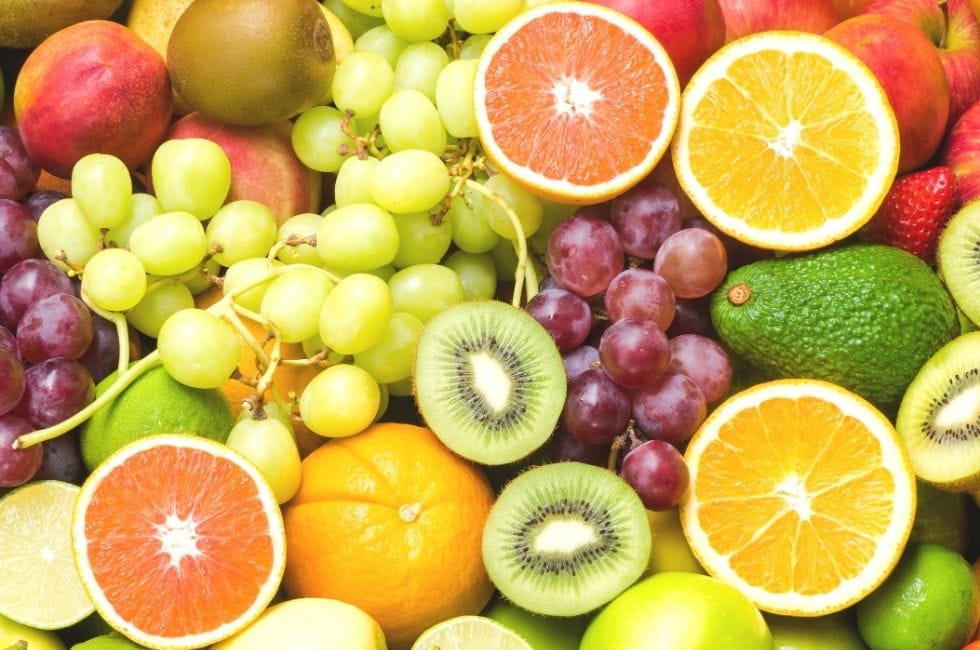
Among these stalwarts is Vitamin A, which keeps the eye’s light-sensing cells, used in the harvesting of visual information, in shape. It’s found in orange vegetables and fruits such as carrots, sweet potatoes, apricots and cantaloupes.
Studies also suggest the Vitamin C in oranges, lemons, grapefruit, strawberries, blackberries, raspberries, bell peppers and tomatoes; and the Vitamin E from avocados, almonds and sunflower seeds and nuts may, at the very least, slow age-related macular degeneration and cataract, and protect the eyes from environmental problems, smoking, and over-consumption of processed food and take-outs.
So will the two anti-oxidants, lutein and zeaxanthin, found in leafy green vegetables such as kale, spinach, romaine lettuce, turnip greens, peas and broccoli and in eggs; and the zinc in chickpeas, beans, oysters, lean beef and yogurt.
Omega-3s have been associated with a reduction in the risk of diabetic retinopathy in older adults, and it’s also being investigated with regard to helping with dry eyes. Omega-3s are found in oily fish such as salmon, sardines and tuna, as well as in nuts.
NOTE: Rodney says any eye-health diets should be discussed with eye doctors, whether they’re for coping with severe and sight-threatening diseases, or for improving general eye health and sight. This is important as some supplements or vitamins will only show positive effects if there is a deficiency in them.
For more information on eye health, its treatment and management, or to make an appointment, visit the Smart Vision website: Optometrists Sydney: Optometry Services For Children and Adults | Smart Vision; for specific information about Myopia treatment and prevention visit Myopia Prevention: Solutions, Control And Treatment In Sydney; and for detailed information about Myopia Treatment visit Orthokeratology In Sydney: The Non Surgical Alternative.
Book an appointment for a thorough eye check-up or Call the Bondi clinic on (02) 9365 5047 or the Mosman clinic on (02) 9969 1600.
Current evidence and clinical context
Nutrition is part of general health, but no single food can guarantee good sight or prevent every eye disease. A practical starting point is the Australian five-food-group guidance: vegetables and legumes, fruit, mostly wholegrain cereals, suitable protein foods, and dairy or appropriate alternatives.
The National Eye Institute’s AREDS/AREDS2 trials found that specific antioxidant and mineral formulations reduced progression from intermediate to advanced age-related macular degeneration (AMD). They did not prevent AMD from starting and did not reduce cataract risk.
A 2024 analysis of the original trial scans also found slower spread of geographic atrophy towards the central fovea in people with late dry AMD whose atrophy had not yet reached that area. This was a further analysis of trial data, and the researchers called for confirmation in a dedicated trial.
Evidence about a supplement needs to be distinguished from the role of food in a varied diet. In the DREAM randomised trial, 535 people with moderate to severe dry eye were studied. The fish-derived omega-3 supplement did not perform better than placebo for dry-eye symptoms or signs over the trial period.
Related reading
diabetes eye-screening appointment guide; glaucoma guide; eye-health guide after 40.
Frequently asked questions
Should everyone take AREDS2 supplements?
No. Their use depends on the eye diagnosis and stage of AMD. Ask your eye-care professional whether the formulation is suitable for you.
Can diet replace treatment for glaucoma or diabetic retinopathy?
No. Food choices are part of broader health care, but they do not replace prescribed treatment, eye screening or follow-up.
Are fish-oil capsules guaranteed to improve dry eye?
No. The DREAM trial found no advantage over placebo for its participants. Discuss the cause of your dry eye and the evidence for any proposed treatment.
Discuss your eye-care plan
For non-emergency eye concerns, contact our Bondi Beach practice or Mosman practice. Bring details of any supplements you use and ask how they fit into the care plan.