Published: 25 July 2017 | Updated: 28 September 2026 | Author: Smart Vision Optometry
Editorial and clinical update — 28 September 2026: The original article/interview below is preserved from the pre-project WordPress revision, including its attributed quotations and editorial structure. Dyslexia and other learning difficulties are not caused simply by eyesight. Treat any diagnosed visual condition for its own clinical purpose while continuing appropriate educational or developmental assessment and support. Current evidence and guidance below should be relied on where older wording differs.
There is an astounding amount of research showing coincidence of learning difficulties and dyslexia, and vision symptoms and problems.
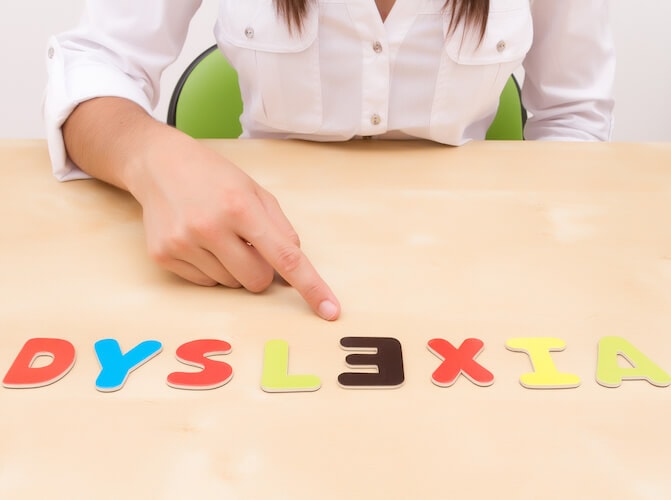
DYSLEXIA
We see vision as different to sight. It is the bit that happens in the brain after the eyes have seen the stimuli; the process that allows us to perceive, process and comprehend.
Dyslexia is a little more complicated to define. It seems that the term dyslexia means something different depending on who you ask. As the super sleuth I am, I decided to ask around and I definitely got varying responses:
– I asked a teacher and her response was that dyslexia is “a disorder that causes reading difficulty.”
– My friend replied, “dyslexia is letters or numbers being backwards when you see them.”
– My adult vision therapy patient, who has been diagnosed as dyslexic since childhood, defined dyslexia as “a learning disability where the brain has trouble sequencing information and with decoding sounds.”
– I asked a psychologist and their reply was that dyslexia is “a learning difficulty effecting reading, writing and learning.”
– I contacted the Australian Dyslexia Association and they state: “a student that receives the same classroom instruction as other students, but continues to struggle with some or all of the many facets of reading and spelling may have dyslexia.”
– The Diagnostic and Statistical Manual of Mental Disorders affirms that Dyslexia is “a pattern of learning difficulties characterized by problems with accurate or fluent word recognition, poor decoding, and poor spelling abilities.”
Whilst these definitions all differ, they do have one area of commonality: dyslexia makes reading and learning difficult for the individual.
As Behavioural Optometrists, we are not qualified to diagnose or treat dyslexia. However, we are qualified to treat the learning-related visual problems experienced by many people with dyslexia, often making learning easier for them. We are also qualified to treat the visual dysfunctions that could be causing some dyslexic symptoms. Yes, you read that right – vision problems can cause similar problems to some issues experienced by people with learning problems or dyslexia!
Vision and learning difficulties go hand in hand more often than people realise. Poor binocular skills can lead to trouble focusing, double vision and make the words appear to move on the page. Poor visual discrimination skills (ability to attend to just noticeable differences) make it difficult to tell the difference between the letter ‘d’ and ‘b’ and make self-correction difficult. Poor visualisation and visual-memory skills can make it hard to understand and follow instructions correctly. Poor visual-spatial awareness can result in messy handwriting that floats above and below the lines provided. Visual-perceptual problems make it challenging for the brain to correctly interpret what the eyes are seeing and understand the meaning behind the words.
All of these symptoms are frequently described as being present in a diagnosis of learning difficulty or dyslexia.
So what are the key points?
- Dyslexia is classified differently and often, but is associated with reduced learning efficiency.
- Poor vision skills will not cause dyslexia, but learning-related vision problems can lead to some problems similar to those of people with dyslexia, and interfere with a child’s ability to benefit from tutoring or other therapies.
- Behavioural Optometrists and Vision Therapists can treat the visual problems that co-occur with learning difficulties and dyslexia.
For more information, including scholarly articles on vision and learning problems and dyslexia, please visit our Research & Evidence page or contact us if you have any questions about the connection between vision and learning difficulties.
Current evidence and clinical context
AAPOS guidance on learning disabilities separates learning difficulties from treatable ocular conditions.
AAPOS guidance on vision therapy distinguishes selected binocular-vision treatment from claims that behavioural or perceptual therapy treats dyslexia or learning disability.
Related Smart Vision reading
Dyslexia and vision problems · Smart Vision Skills Assessment · Vision problems in children
Frequently asked questions
Can an eye test diagnose dyslexia or a learning disability?
No.
Can a child have both a learning difficulty and an eye condition?
Yes.
Should educational support wait for eye treatment?
No.