
Published: 9 May 2022 | Updated: 30 September 2026 | Author: Smart Vision Optometry
Editorial and clinical update — 30 September 2026: The original article/interview below is preserved, including its attributed quotations and editorial structure. Current evidence and guidance below should be relied on where older wording differs.
Essential foods to add to your meals to give your eyes the nutrients they need!
When it comes to taking care of your eyes, you may think it’s enough to wear your sunglasses now and again, not sit too close to the TV and occasionally throw in some eye drops during the dry season. But proper eye care goes far beyond that, and nutrition can be the key to keeping your eyes healthy and happy.
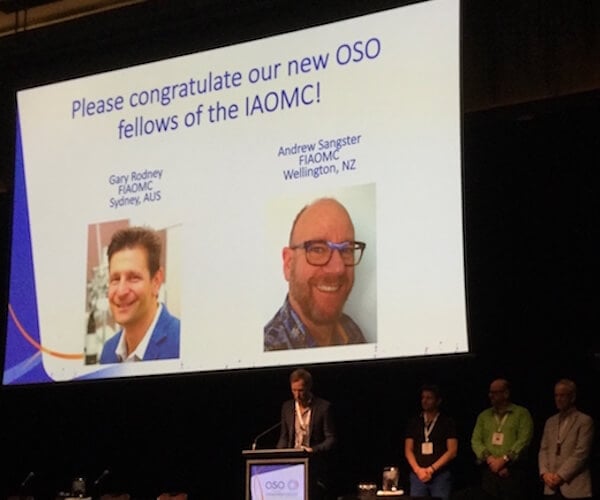
Gary Rodney, leading smart vision optometrist with Smart Vision Optometry, says that “Eyes need a wide range of vitamins and minerals to function well, with some of these being crucial for staving off age-related macular degeneration.”
These vitamins and minerals can be obtained through the addition of some nutritional supplements, but the most effective method is through food. This is because when vitamins are obtained through food, they come in combination with cofactors which can boost bioavailability, making them much easier for your body to absorb and use. So whole food sources are always preferred over supplements.
According to the World Health Organisation, Vitamin A deficiency is one of the leading causes of blindness worldwide. Vitamin A has an integral role in maintaining the photoreceptor cells in your retina, which allow us to convert light into neurological signals which our brain can then interpret. Symptoms of Vitamin A deficiency can include night blindness and dry eyes. Vitamin A is only found in animal-derived products such as egg yolks and dairy products. However, vegans and vegetarians can get their Vitamin A fix in a slightly different way with plants such as kale, spinach and carrots. These provide a provitamin A carotenoid called beta-carotene, which the body can convert into Vitamin A. While not the most efficient method, it can give some of your daily vitamin requirements.
In general, we hear a lot about a class of vitamins known as antioxidants when it comes to health. Along with protecting our cells from free radicals, they also have a few more specific roles in our bodies, especially when it comes to the eyes. There are two exceptional antioxidants called Lutein and Zeaxanthin, which form part of the retina. They are thought to help protect your vision from sun damage as well as harmful blue light. Studies have shown that the levels of these carotenoids within your eye are proportional to your daily intake. Researchers found that supplementing these daily slowed the progression of age-related macular degeneration (AMD). While these can be found in high amounts in dark green leafy vegetables such as spinach and kale, the most bioavailable source is egg yolk. This is due to Lutein and Zeaxanthin being fat-soluble vitamins. If you would rather go the spinach route, try pairing it with oils such as salad dressing or avocado.
“Omega 3 fatty acids can also be great vision protectors,” says Gary Rodney. Omega 3’s are long-chain fatty acids that, besides having a host of health benefits elsewhere in the body, are extremely important for early childhood development of the eye and brain. The fatty acids EPA and DHA, classified as Omega 3’s, need to be taken in adequate amounts as deficiencies have been linked to impaired vision in children. Omega 3’s are most commonly found in fatty fish such as salmon. However, they are very commonly found in health supplements and should be a staple in your daily vitamin regime.
While adding nutritional supplements to diets, the best way to get all these protective vitamins is through your food. So make sure you’re eating in a wide variety of fruits and veg, as they all have a role to play in healthy eyesight. To get information on even more ways to protect your eyes, book an appointment at your nearest Smart Vision Optometry practice.
Smart Vision Optometry clinics are located in multiple suburbs in Sydney. Book a Smart Vision Comprehensive Vision Skills Assessment or Advanced Eye Health Test for any child or adult by calling the Mosman clinic (02) 9969 1600 or the Bondi clinic (02) 9365 5047, book an appointment online.
Current evidence and clinical context
The National Eye Institute’s AREDS/AREDS2 findings distinguish slower progression in selected people with AMD from preventing its onset. The trials did not establish prevention of cataract or AMD from omega-3 supplements.
The original article’s advice to make omega-3 supplements a daily staple is not a universal recommendation. Diet, diagnosed deficiencies, AMD stage, medicines and other health needs require individual consideration.
Related Smart Vision reading
Children’s nutrition context · Comprehensive eye assessment
Frequently asked questions
Are AREDS2 supplements for everyone?
No. Their role depends on the person’s AMD findings and clinical advice.
Do AREDS supplements prevent AMD from starting?
No. Evidence about slowing progression should not be presented as prevention of onset.
Should I start eye supplements because of this interview?
Discuss the specific product, purpose and risks with your clinician first.