
Published: 4 November 2020 | Updated: 28 September 2026 | Author: Smart Vision Optometry
Editorial and clinical update — 28 September 2026: The original article/interview below is preserved from the pre-project WordPress revision, including its attributed quotations and editorial structure. Myopia-control claims should distinguish correction from progression control. Ortho-K temporarily changes corneal shape and requires ongoing wear, hygiene and follow-up; it does not permanently cure myopia. Current evidence and guidance below should be relied on where older wording differs.
Myopia Treatment Programs | Smart Vision Optometry, Sydney
Many people are wondering and worrying about the proposed “new normal” expected to follow Covid-19, what it will be like, how it’ll affect their lives, and whether they will be able to adapt to it enough to make it as close to the ‘old normal” as possible. And while they’re doing this, eye doctors, researchers, organisations, and masters of optometry like Australian fellow of the International Academy of Orthokeratology and Myopia Control (FIAOMC), Gary Rodney, are following another global epidemic. Myopia (nearsightedness) may have attracted less attention than the pandemic, but it’s tripled its prevalence, and increased its impact over the past 50 years at an epidemic rate, and is not slowing down as it continues towards 2050 by which time it’s expected to affect the vision and lives of every second person (or around 5billion people) globally.
Epidemics Don’t Leave Quietly
Rodney says these eye experts are concerned that the myopia epidemic will bring about a “new normal” of its own, and they are even more concerned that it may have already done so through its close relationship with urban areas and the lifestyles people follow there.
“Any epidemic, or a pandemic like the current Covid-19 virus, will leave chaos in its wake as it runs through the world’s population. And it won’t be just its effects on the physical health of those it’s targeted that will be left behind. There will also be a trail of physical, emotional, and social stress that will affect millions of people’s lives and how they live them. And the Myopia epidemic is no exception. It’s been leaving a widening trail of people with this refractive error since it started its upward curve in the 1970s,” Rodney says.
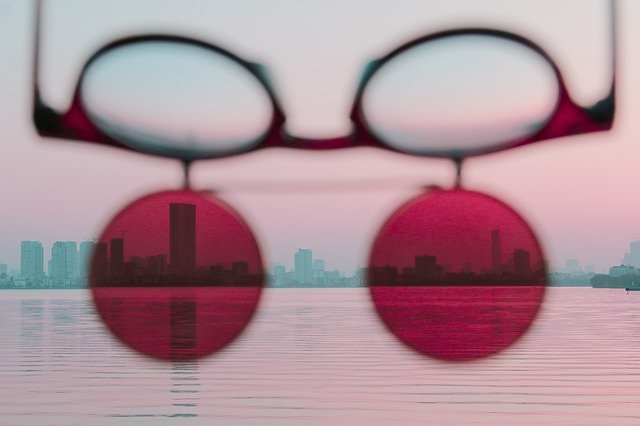
Statistics show that developed and urbanised countries like the USA, UK, South America, East Asia and some European countries, have been hardest hit by the myopic onslaught and have the biggest number of people dealing with the eye impairment which leads to their seeing anything further than 20ft away as a blur, and only having clear vision when looking at something close to hand. Unable to see the whole or long-term picture the same way as those with normal vision, many myopics (and specially those who have severe levels of myopia) tend to adopt a world view based on their own shortened and narrowed perception of views, objects and actions that are only clear when close by.
Urbanisation Growing Alongside Myopia
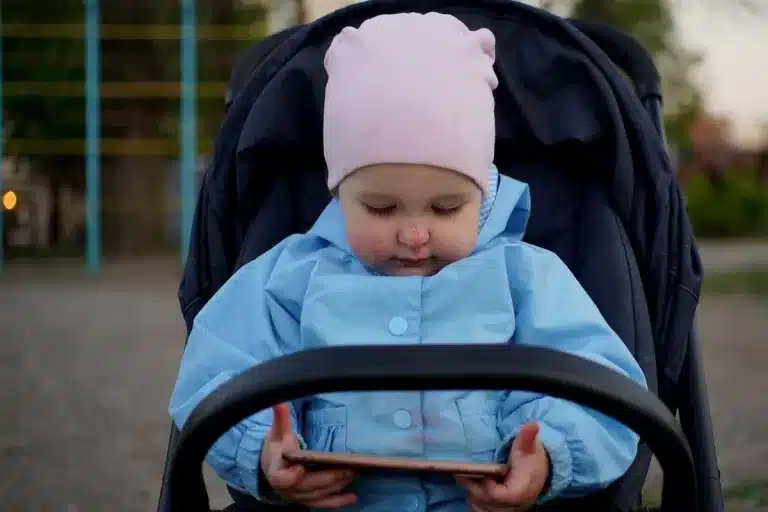
According to Rodney urban lifestyle could seem to be an ideal place for myopics to thrive. It’s surroundings, environment, culture and focuses revolve around speed in manufacture and development; quick turn-around time; short-term investments, and large debts; close work; inside living; take-out meals; and multiple screens, all of which exclude long-term views, plans and concern about consequences. And it seems the cities have happily accepted them, as well as the wider understanding and use of the word “myopia” and concept of shortsightedness, which are both becoming popular topics and descriptions of attitudes outside the vision arena. After many years of dormancy, these old-fashioned terms are back in political and business rhetoric to challenge speeches or decisions considered to be ignoring the long term and its consequences; and in psychology, “mental myopia” is being used to describe someone’s narrow and biased reactions to others.
However, instead of seeing this as an ideal arrangement, Rodney says matching urbanisation and myopia appears to increase the onset of myopia and the speed at which it progresses, while increased numbers of myopics may raise the influence of short-term approach to work and lifestyle in the city as it expands its share of the population.
The jury is still out as to which came first, and which will have the greatest impact on living and seeing in a myopic world. That’s because alongside the myopia epidemic, and with similar timing, urbanisation numbers have also been soaring upwards in their own “epidemic” since the 1970’s. Since then it’s risen from 1,3billion, or a third of the population living in or near cities, to 3,3billion (or half the population) by 2007, and reached 4,62billion in 2019. And by 2050, 6billion city dwellers (or two out of three of the world’s population), are expected to be crowded into cities which already house more than half the world’s population on less than 10% of the earth’s habitable land.
For more information on myopia, its treatment and management, or to make an appointment, visit the Smart Vision website: Optometrists Sydney: Optometry Services For Children and Adults | Smart Vision; for specific information about Myopia treatment and prevention visit Myopia Prevention: Solutions, Control And Treatment In Sydney; and for detailed information about Myopia Treatment visit Orthokeratology In Sydney: The Non Surgical Alternative.
Myopia Prevention, Control & Management
Book Now to Take Control of Myopia
Current evidence and clinical context
The National Eye Institute’s myopia guide explains that myopia is a refractive error diagnosed with an eye examination.
For contact-lens based options, CDC guidance stresses keeping lenses away from water and following the prescribed care routine.
Related Smart Vision reading
Myopia control and management · Orthokeratology · Myopic macular degeneration
Frequently asked questions
Does clearer vision mean myopia has stopped progressing?
No. Correction can make vision clear while the underlying myopia may still change.
Is one myopia-control treatment right for everyone?
No. Suitability depends on prescription, age, eye health, progression and practical factors.
Does Ortho-K permanently cure myopia?
No. Its effect is temporary and requires ongoing wear and review.