Published: 15 May 2020 | Updated: 30 September 2026 | Author: Smart Vision Optometry
Editorial and clinical update — 30 September 2026: The original article/interview below is preserved, including its attributed quotations and editorial structure. Current evidence and guidance below should be relied on where older wording differs.
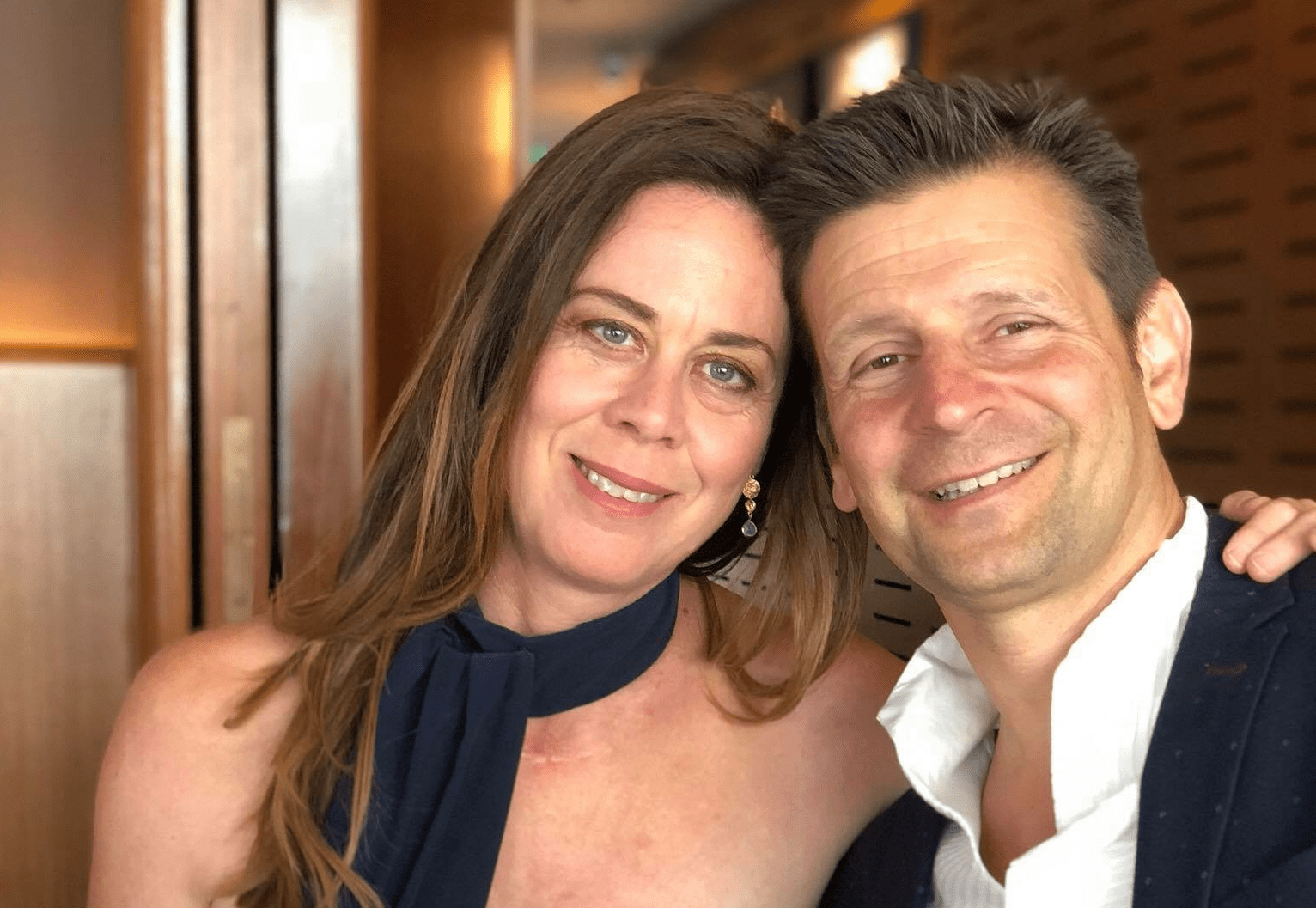
Covid-19 lockdowns are saving us from a viral infection at the cost of our children’s eyesight. Australian Smart Vision behavioural optometrists who have a special interest in myopia prevention, Gary Rodney and Jacqueline Gattegno, have voiced their concern that the stay-home regulations may prove to have closed the door on a pandemic and opened it to a Myopia epidemic that is already affecting the eyes of billions of adults and children around the world. And it’s still growing, with global forecasts suggesting it could target every second person by 2050.
HEAR: Gary Rodney Interviewed By David Wood Ultra106five.com
Lockdowns Could Cause Spike in Myopia Endemic
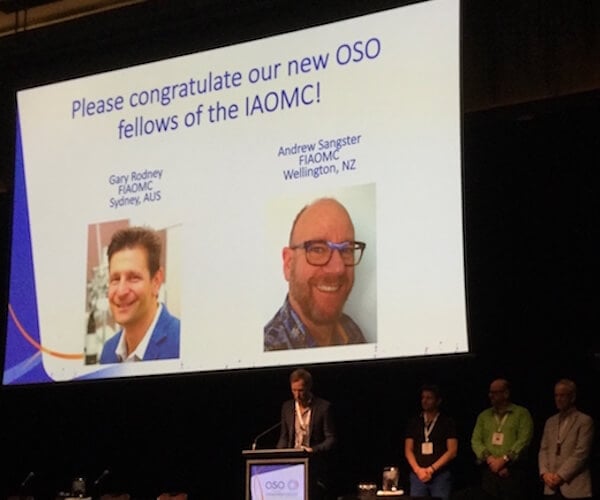
Rodney, a fellow of the International Academy of Orthokeratology and Myopia Control, says there’s good reason to be concerned that lockdown regulations could push the curve of the Myopia epidemic still higher. It’s already one of the most prevalent eye problems affecting the children of the 21st century, and contributes to the likelihood of eye diseases like glaucoma, macular degeneration, and possible blindness in the elderly.
“The lockdown stay-at-home lifestyle may succeed in slowing the spread of the Covid-19 pandemic. But it could spike the Myopia epidemic’s curve by increasing prevalence and speeding up its progression. It’s taking children’s focus away from certain activities and shifting it to others, some of which have long been identified as possible causes for increasing myopic progression,” Rodney said.
The vision impairment is caused by refraction errors in the eye which cause light to focus in front of the retina rather than on it, resulting in blurred distance vision. It usually develops in early childhood, because of genetics or lifestyle factors and gets progressively worse until it levels sometime in the late 20s, and can cause major eye problems later in life.
And as there is no cure for the potential damage caused by elongating the eyeball and stretching the retina, treatment has been rapidly expanding to control progression. This has led to an increasing number of options to stop this from happening, Rodney said.
Large Screens vs The Great Outdoors
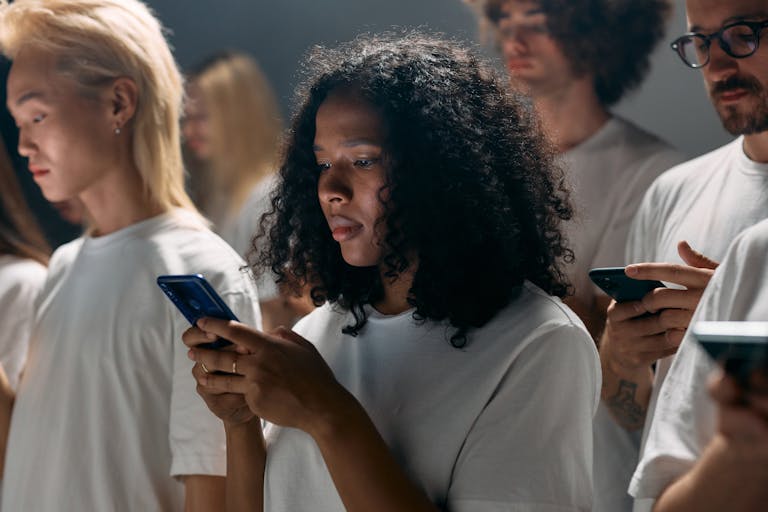
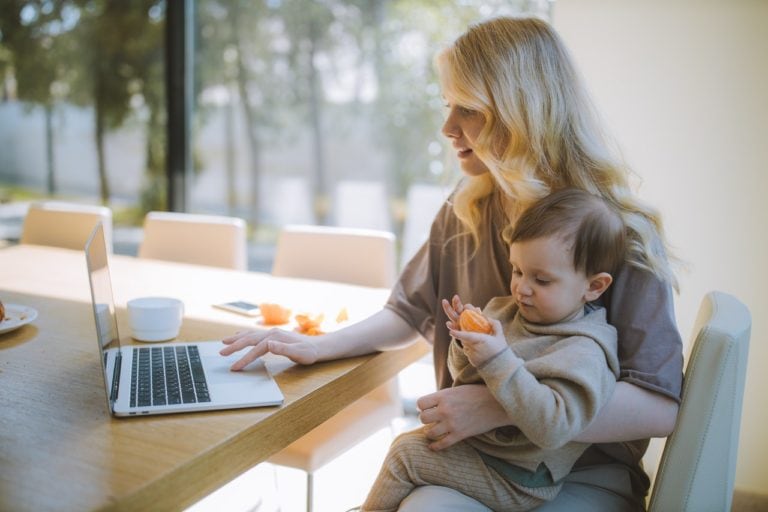
“By stopping children from going to school, and preventing them from leaving the house to see friends, or spending much time outdoors, lockdown regulations have caused children to spend more time inside. And they are spending a lot of it watching TV, studying online, or making long calls or sending lengthy messages on their mobile devices simply to keep in contact with friends,” Gattegno said.
While understandable in young people who felt trapped, Gattegno said these activities worked against some of the most important aspects of myopia management, which prioritize spending at least 2 hours a day outside, and restricting access to screens.
According to Rodney, another lockdown risk is that it could interrupt treatment that’s already underway and achieving positive results. Missing scheduled appointments or falling behind in the program due to the lockdown could undo, and even reverse, what has so far been achieved.
Actions Needed to Manage Myopia Epidemic
Rodney said both parents and optometrists can go a long way towards lessening any lockdown after-effects and helping prevent the possible spike in the myopia curve. Parents need to keep a close eye on their children’s activities, monitor screen time, and watch carefully for any signs of shortsightedness. These include sitting too close to the TV, closing one eye or holding books very close when reading, eye rubbing, and frequent headaches.
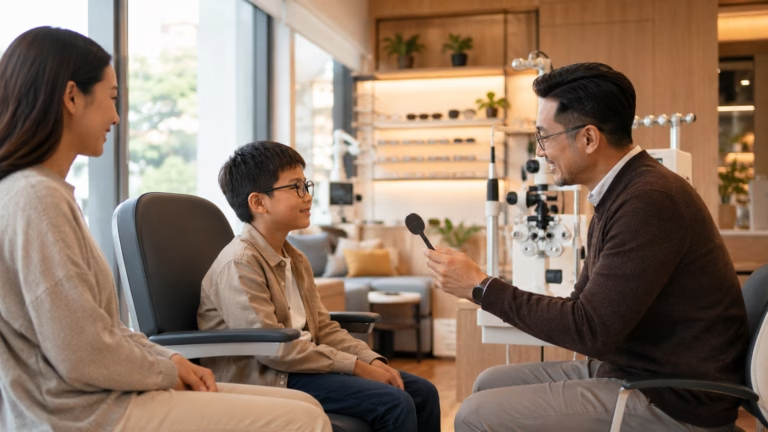
If concerned, parents should have their children’s eyes tested as soon as possible. This can be done during lockdown at optometry clinics like the Smart Vision clinics in Sydney, which have instituted Covid-19 safety measures, or left for soon after the lockdown is over.
Broader Vision of Myopia Needed
Rodney says it is vital that optometrists broaden their approach to testing and treating children with Myopia both as a norm, and even more so in the post-lockdown period.
“Single vision spectacles which have to be changed and strengthened regularly, are simply not enough, even for the mildest of myopias . Single vision spectacles or contact lenses are shown now in research to be the WORST thing you can do to contribute to the eyes getting worse and the corresponding increased potential of age-related blindness.There are a wide range of new treatments available, including the special night-time oxygen-permeable corneal lenses used in Orthokeratology. This is having positive results in 100% of cases in slowing the progression of myopia in children in our practice,” Rodney said.
Smart Vision Optometry clinics in Sydney focus on providing eye care for a number of vision problems with particular focus on children and myopia, and on determining the best treatment for each case. Visit the Smart Vision website: Optometrists Sydney: Optometry Services For Children and Adults | Smart Vision to find more information provided by the Smart Vision behavioural optometrists and for information on the precautions applied during COVID-19.
Click here to book an appointment online or Call the Bondi clinic on (02) 9365 5047, or the Mosman clinic on (02) 9969 1600.
Current evidence and clinical context
A 2021 school study reported an association between home confinement and a myopic shift in younger children. Association is not proof of an individual cause.
The interview’s claim that ordinary prescribed glasses are the worst option must not be used to avoid needed correction. Its practice-specific 100% success claim is not independently verified and is not a guarantee. Lockdown service statements are historical, not current access instructions.
Related Smart Vision reading
Lockdown study context · Correction and progression control
Frequently asked questions
Does a population association prove my child’s cause?
No. Individual assessment is required.
Should I stop prescribed glasses because of this interview?
No. Follow prescribed correction and discuss concerns with your clinician.
Does the interview guarantee every myopia-control result?
No. Treatment responses vary and monitoring is needed.