
Behavioural Optometrist

  • | | | |

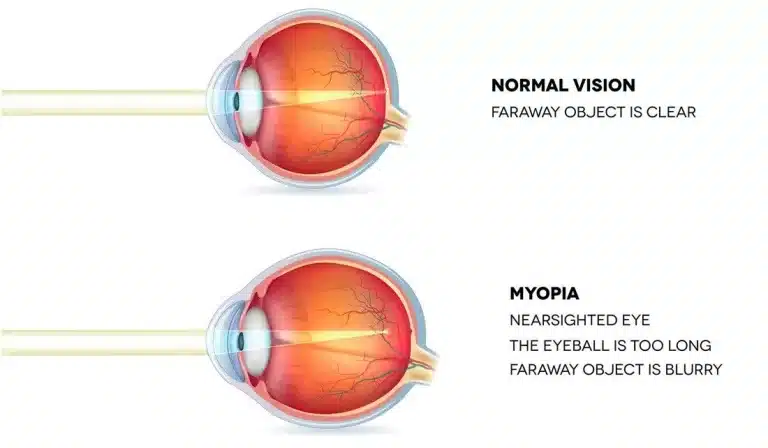
    Sydney Optometrists Highlight Long-Term Risks of High Myopia

    Published: 1 June 2026 | Updated: 28 September 2026 | Author: Smart Vision Optometry. TL;DR Summary: Myopia makes distant objects look blurred and can progress during childhood. Correcting blur and slowing progression are different goals. High myopia carries additional long-term eye-health risks, and no single intervention guarantees that progression will stop.

  • | | |

    Myopia‑Control and Long‑Term Vision Health

    Published: 1 February 2026 | Updated: 28 September 2026 | Author: Smart Vision Optometry. TL;DR Summary: Myopia makes distant objects look blurred and can progress during childhood. Correcting blur and slowing progression are different goals. High myopia carries additional long-term eye-health risks, and no single intervention guarantees that progression will stop.

  • | | |

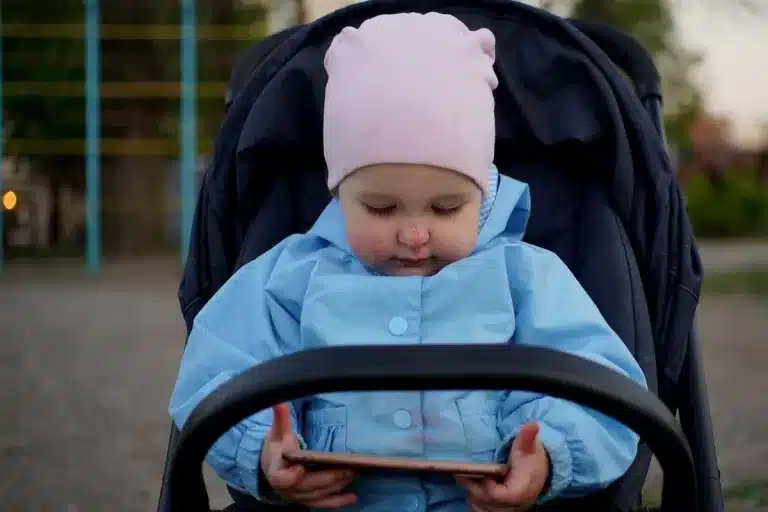
    Screen Time in Baby Prams Is A Growing Concern for Eye Development

    Published: 15 September 2025 | Updated: 29 September 2026 | Author: Smart Vision Optometry. TL;DR Summary: This interview discusses screen use in prams and early visual development. Current Australian guidance recommends no sedentary screen time under age two and no more than one hour daily at ages two to five. Make time for interaction and age-appropriate play. Screen exposure alone does not diagnose myopia or explain a child’s learning difficulties.

  • |

    Enhancing Neural Processing in Myopic Vision Through Perceptual Learning

    Published: 15 August 2025 | Updated: 29 September 2026 | Author: Smart Vision Optometry. TL;DR Summary: This interview explores perceptual learning in myopic vision. A small 2015 adult study reported improvements in visual tests, without significant refractive change in the subgroup measured. This does not establish slower childhood eye growth or justify reducing a prescription. Research findings should be distinguished from proven benefits for an individual patient.

  • |

    Why Clear Eyesight Isn’t Enough for Good Vision

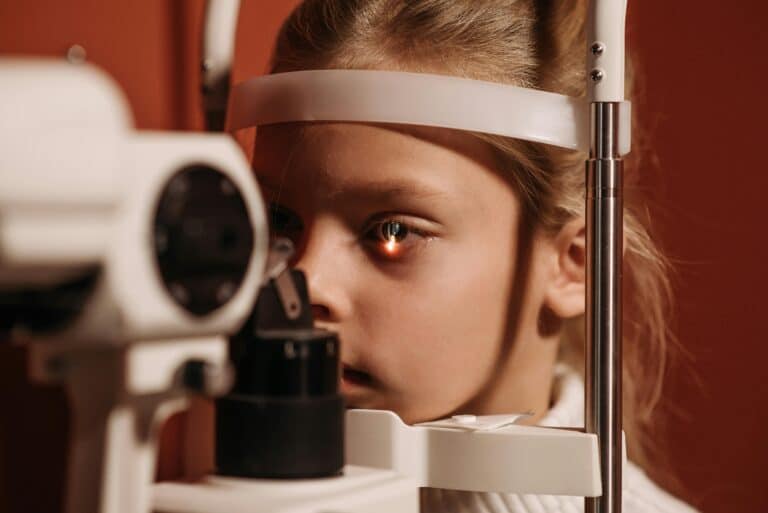
    Published: 1 August 2025 | Updated: 29 September 2026 | Author: Smart Vision Optometry. TL;DR Summary: Reading an eye chart measures visual clarity, but an eye examination can also assess eye health, movements and coordination. Persistent blur, double vision or near-work discomfort deserves assessment. Finding an eye problem does not establish the cause of a learning difficulty, and eye treatment should not be presented as a guaranteed way to improve comprehension or attention.

  • | | |

    Understanding Myopia Control

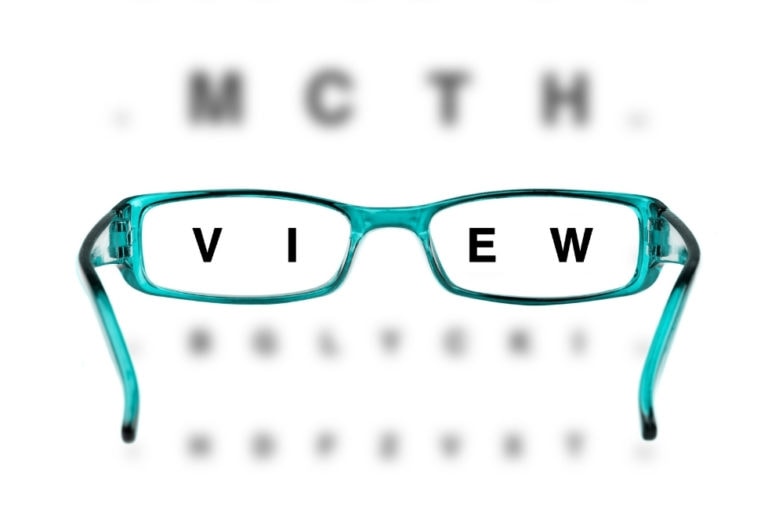
    Published: 22 November 2024 | Updated: 29 September 2026 | Author: Smart Vision Optometry. TL;DR Summary: Myopia correction and myopia control have different goals. Glasses can clear distance blur; selected treatments aim to slow progression in suitable children. Effects vary and no option guarantees progression will stop. Use prescribed correction and regular review rather than deliberately leaving vision blurred.

  • | |

    When to Schedule Your Child’s First Eye Exam

    Published: 14 November 2024 | Updated: 29 September 2026 | Author: Smart Vision Optometry. TL;DR Summary: Children’s eye checks should reflect symptoms, risk factors and screening results. NSW offers StEPS screening for four-year-olds, but families should seek advice earlier when concerned. Screening does not replace assessment of symptoms or a recommended follow-up examination.

  • |

    Myopia Control: What it is and Why it’s More Important Than Ever

    Published: 23 August 2021 | Updated: 27 September 2026 | Author: Smart Vision Optometry. TL;DR Summary: Myopia management combines clear vision, assessment of progression, appropriate treatment and follow-up. Some treatments can slow progression in children, but they do not guarantee that myopia will stop or reverse. Outdoor time supports prevention of onset; its effect on established myopia is less certain.

  • |

    Sports Vision Performance | Smart Vision Optometry, Sydney

    Published: 5 August 2021 | Updated: 30 September 2026 | Author: Smart Vision Optometry. TL;DR Summary: Sports vision training should start with an assessed need and a measurable goal. Some studies report improvements on sport-related tasks, but programmes and results vary. Better test performance does not guarantee a competitive advantage for every athlete.

  • |

    Jobs That Could Place One’s Vision at Risk – What They Are and What to do About It

    Published: 9 July 2021 | Updated: 28 September 2026 | Author: Smart Vision Optometry. TL;DR Summary: Screen discomfort, flying particles, chemicals and outdoor UV exposure call for different responses. Identify the actual task and hazard, use appropriate workplace controls and seek care for symptoms or injury. Lens tint, a job title or a routine eye test alone cannot establish that protection is adequate.

  • |

    Why Maintaining Good Eye Health is Vital

    Published: 30 June 2021 | Updated: 30 September 2026 | Author: Smart Vision Optometry. TL;DR Summary: Eye health can affect daily activities and quality of life. Seek assessment for changing vision and discuss support for any diagnosed condition. Emotional distress also deserves appropriate care; it should not automatically be attributed to an eye problem.

  • |

    Behavioural Optometry and How it Saves Vision

    Published: 11 June 2021 | Updated: 30 September 2026 | Author: Smart Vision Optometry. TL;DR Summary: Eye care can assess clarity of sight, prescription, eye health and—when relevant—how the eyes focus, align and work together. Attention, reading, learning, behaviour or sporting difficulties should not be assumed to come from a vision disorder; any diagnosed ocular or binocular condition should be treated for its own clinical indication.

  • |

    Vision Misalignment and Anxiety an Unhealthy Partnership

    Published: 19 March 2021 | Updated: 28 September 2026 | Author: Smart Vision Optometry. TL;DR Summary: Eye misalignment and anxiety can coexist, but one does not automatically explain the other. New double vision needs medical assessment. Eye treatment should address a diagnosed visual condition, while ongoing anxiety deserves appropriate support from a GP or mental-health professional.

  • |

    Functional Vision and Why it is Important

    Published: 15 March 2021 | Updated: 28 September 2026 | Author: Smart Vision Optometry. TL;DR Summary: Functional vision describes how vision is used in everyday activities. Clear distance sight does not answer every question about focusing or how the eyes work together. Symptoms need assessment; reading, attention or coordination difficulties alone do not diagnose an eye condition.

  • |

    How Vision Differs Between Eye, Mind, and Brain

    Published: 9 March 2021 | Updated: 28 September 2026 | Author: Smart Vision Optometry. TL;DR Summary: Seeing involves the eyes, retina, optic nerves and brain. The “mind’s eye” describes mental imagery, not a separate eye or organ. People vary in how vividly they imagine pictures; aphantasia is different from reduced eyesight. Treatment should address a diagnosed problem.

  • |

    What Can Cause Sudden Blurry Vision

    Published: 15 January 2021 | Updated: 28 September 2026 | Author: Smart Vision Optometry. TL;DR Summary: Sudden blurred vision needs urgent assessment. Sudden vision loss is an emergency; call 000 if vision changes occur with possible stroke signs. Do not wait for a routine booking or assume that improvement means the cause is harmless.