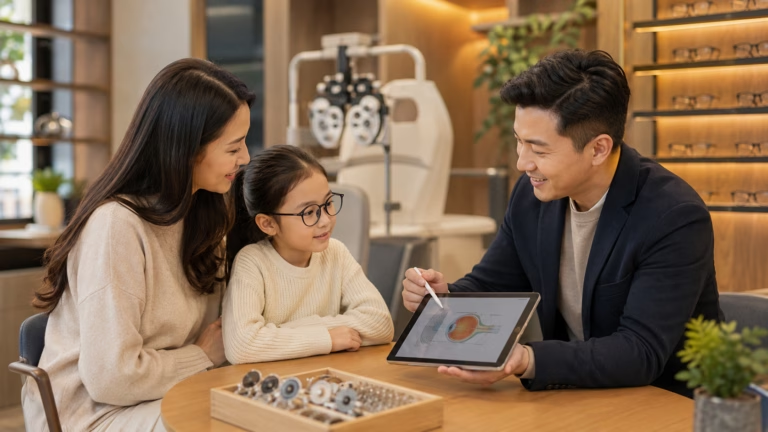
Surge in Childhood Myopia Prompts Call for Early Intervention
Myopia (short-sightedness), once considered a simple refractive inconvenience, is increasingly recognised as a progressive eye condition with potential long-term health implications.
The prevalence of myopia (near‑sightedness) is rising worldwide, and with it, the importance of early intervention and long‑term wellness care.
Urgent Action Needed as Vision Care Slips Through the Cracks Australia is facing a silent crisis in vision care—and the alarm bells are getting louder. Optometrists nationwide are warning that reduced access to routine eye exams is putting the long‑term visual health of millions at risk. As discussions around preventative healthcare dominate the national agenda…
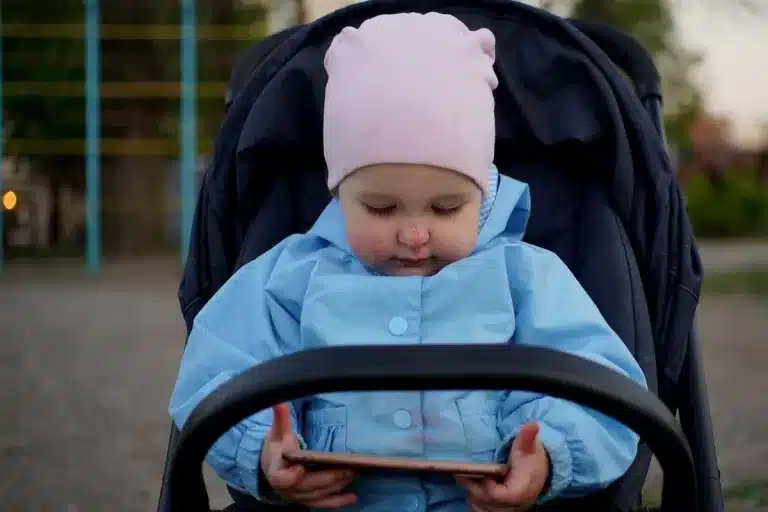
Reports of babies and toddlers being given mobile phones and tablets in prams as a distraction while parents shop have shocked Australian optometrists Gary Rodney and Jacqueline Gattegno. As a Master of Optometry, Smart Vision Behavioural Optometrist, and Fellow of the International Academy of Orthokeratology and Myopia Control (FIAOMC), Rodney has spent years studying myopia…
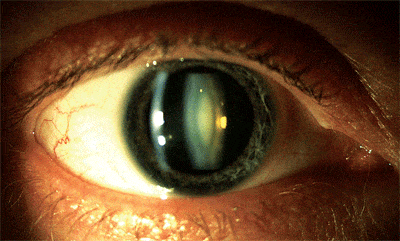
Both myopia (short-sightedness) and cataracts are among the most common visual impairments worldwide. With myopia affecting nearly 3 billion people globally—a number expected to rise to 5 billion by 2050—and cataracts responsible for 51% of blindness cases, these conditions significantly impact vision health. But is there a connection between the two? According to Gary Rodney,…
The myopia epidemic continues to grow at an alarming rate, with estimates suggesting that by 2050, nearly 50% of the world’s population will be affected. The Covid-19 pandemic further accelerated this trend, as lockdowns and increased screen time forced more children and adults into sedentary indoor lifestyles, depriving their eyes of essential outdoor exposure and…
The number of children developing myopia (short-sightedness) is increasing at an alarming rate, with younger children being diagnosed at a growing pace. Despite this, a global survey has found that one in four parents do not understand the term “myopia” or the potential long-term impact it can have on their child’s eye health and quality…
The shift to remote work has transformed the modern workplace, offering flexibility and eliminating long commutes. However, with this change comes a significant, often-overlooked downside—digital eye strain. While working from home has undeniable benefits, Australian Smart Vision behavioural optometrists Gary Rodney and Jacquie Gattegno warn that extended screen time and reduced outdoor exposure can have…
Insights from Smart Vision Behavioural Optometrists on Myopia Management Despite significant advances in myopia control, many still perceive short-sightedness as an unavoidable condition. Gary Rodney, founder of Smart Vision Optometry in Sydney, and Jacquie Gattegno, principal senior Smart Vision behavioural optometrist at Eyes InDesign Smart Vision Optometry Bondi, emphasise the importance of understanding myopia and…
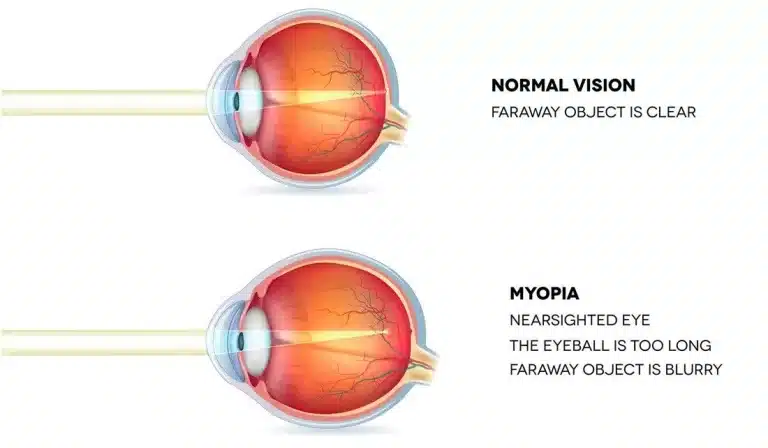
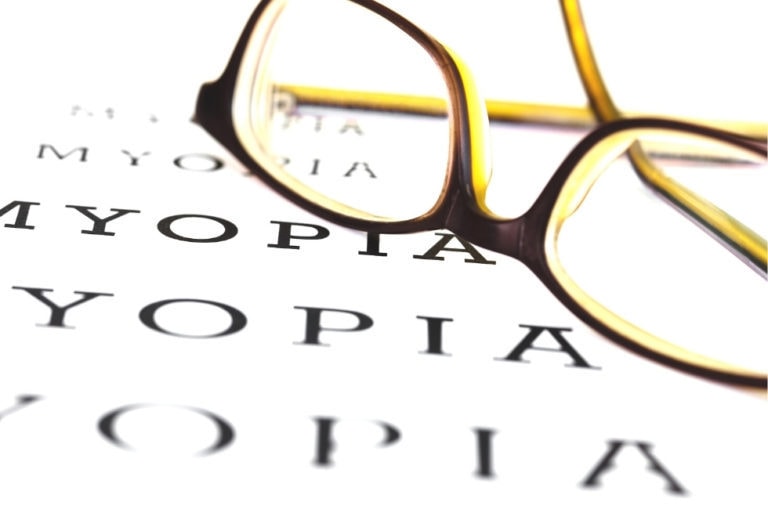
Myopia (nearsightedness) is a condition in which close objects are visibly clear, while distanced objects are blurred. This is understood as a refractive disorder that occurs as the eyeball elongates (gets longer). Myopia can cause exponentially more serious complications if the refractive error is severe
Myopia is the most common eye disorder in the world, and the biggest cause of visual impairment, especially in children, according to Australian behavioural optometrist Jacqueline Gattegno
Most stereotypes are based on prejudice, but occasionally, one pops up that’s based on fact – even if only remotely. “Smart kids wear glasses” could be among them, at least up to a point. Australian behavioural optometrist Jacqueline Gattegno sheds light on what is known regarding the intriguing link between myopia and IQ.
One part of the brain conjures up an image based on the data it receives from the eyes. Other parts of the brain interpret it. The gift of sight involves much more than just the eyes.
With 32 percent of the world’s population living with myopia, it’s not surprising that there are short-sighted people in all walks of life. But it may surprise some folks to know just how many of them are top athletes. After all, the image of a glasses-wearing sportsperson is something that isn’t exactly mainstream. However, there’s…
All occupations have their risks. They may be obvious or insidious, and it’s often the latter that gets the least attention. “At Eyes in Design, we deal with patients facing a variety of workplace hazards that can affect their vision, and knowing what they are is the first step towards dealing with them effectively,” says…
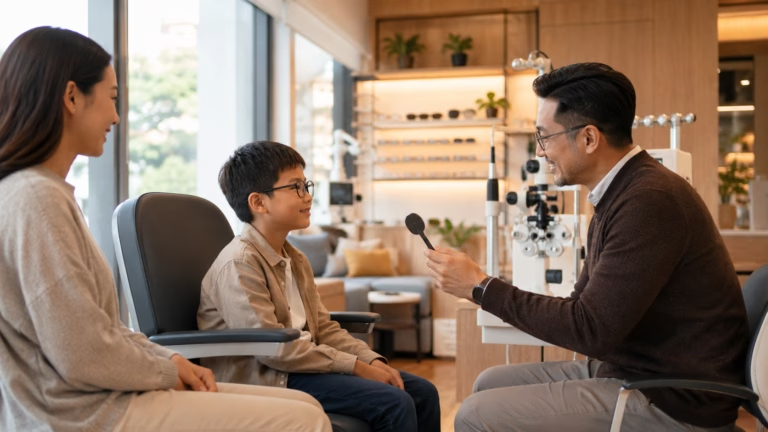
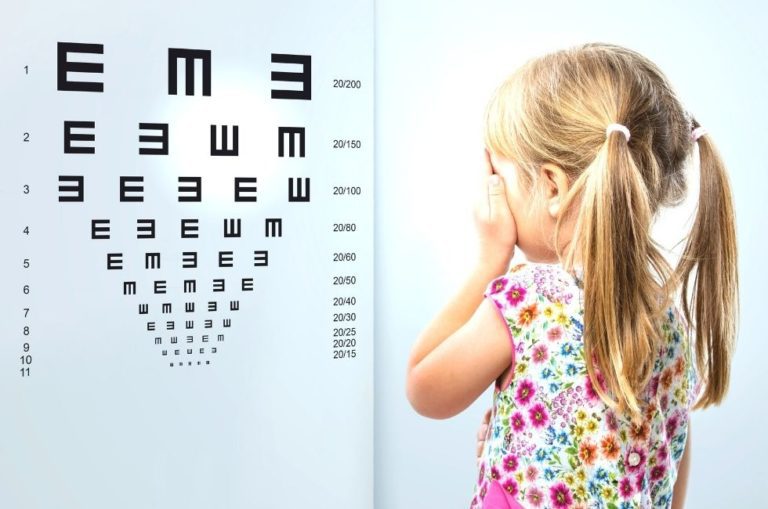
Apart from the screening done by paediatricians, many parents aren’t sure when to take children for their first eye tests. Of course, if any problems with vision are suspected, very early testing is feasible, but Australian behavioural optometrist and fellow of the International Academy of Orthokeratology and Myopia Control (FIAOMC), Gary Rodney says that kids…
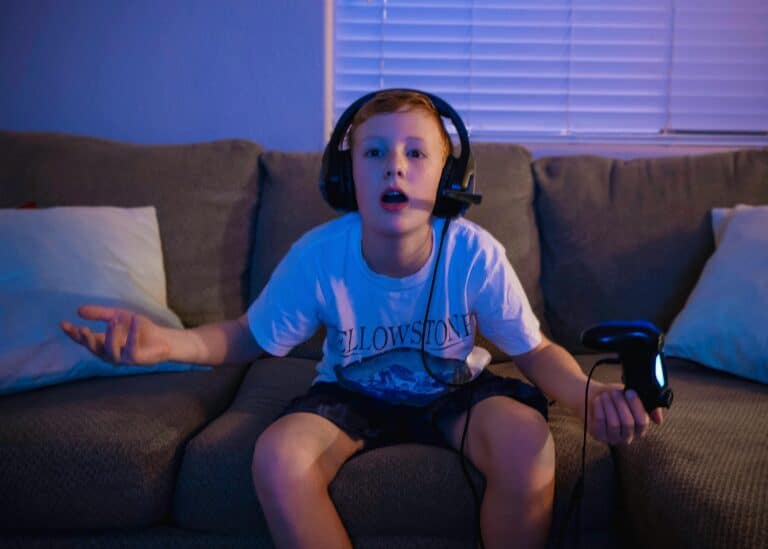
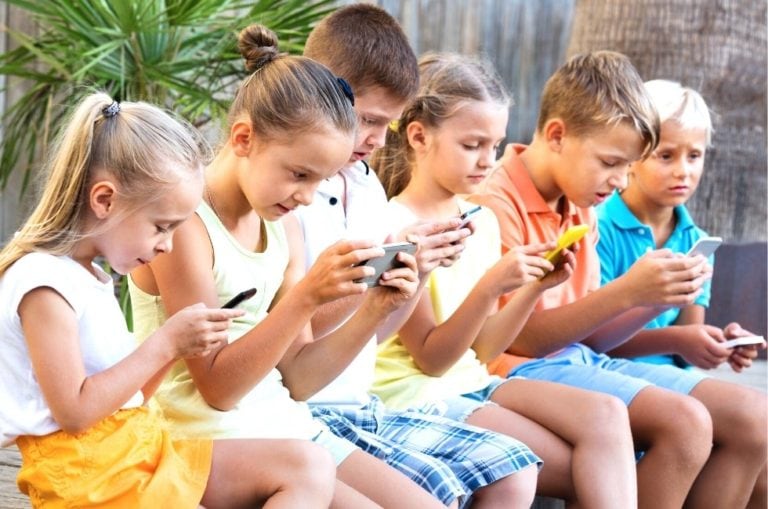
Smartphones can be wonderful, both for children and their parents as it keeps them connected at all times, entertains and teaches them, and gives them a picture of what’s going on in the world around them. But, if overused, a smartphone can have severe and long-lasting effects on children’s perceptual vision, eye health, and social…
Shortsightedness Prevention, Control And Management A recent growth in the focus on awareness and management of Myopia (shortsightedness) and a new emphasis and direction in terms of treatments evidenced in new studies and developments, seems to have resulted in a new approach to the ever-growing threat to the world provided by this multi-levelled refractive error….
For at least four centuries, people have been looking for a way to explain the prevalence of myopia (shortsightedness), what causes it, and how to cure this eye disorder that currently affects millions of people’s vision, and in some instances results in vision loss and blindness. According to Australian behavioural optometrist and fellow of the International…
The myopia (shortsightedness) epidemic, predicted to affect half of the world’s population by 2050, is racing even faster towards this target with the numbers boosted by the Covid-19 pandemic’s enforced indoor and screen-watching lifestyles. However, a study is now suggesting that perceptual learning may, literally, shine at least some light at the end of this…
End of content
End of content