Published: 20 July 2021 | Updated: 28 September 2026 | Author: Smart Vision Optometry
Editorial and clinical update — 28 September 2026: The original article/interview body below is retained in its editorial form, including its attributed quotations and narrative structure. Current evidence and clinical guidance are presented separately below and should be relied on where older wording or claims differ.
After an accident, it’s all too easy to say that workplace hazards should have been handled better. But preventing accidents at work – spotting hazards and countering them before anyone gets hurt – will always be first prize. So says Gary Rodney, a behavioural optometrist who assists businesses with vision-related questions pertaining to the workplace.
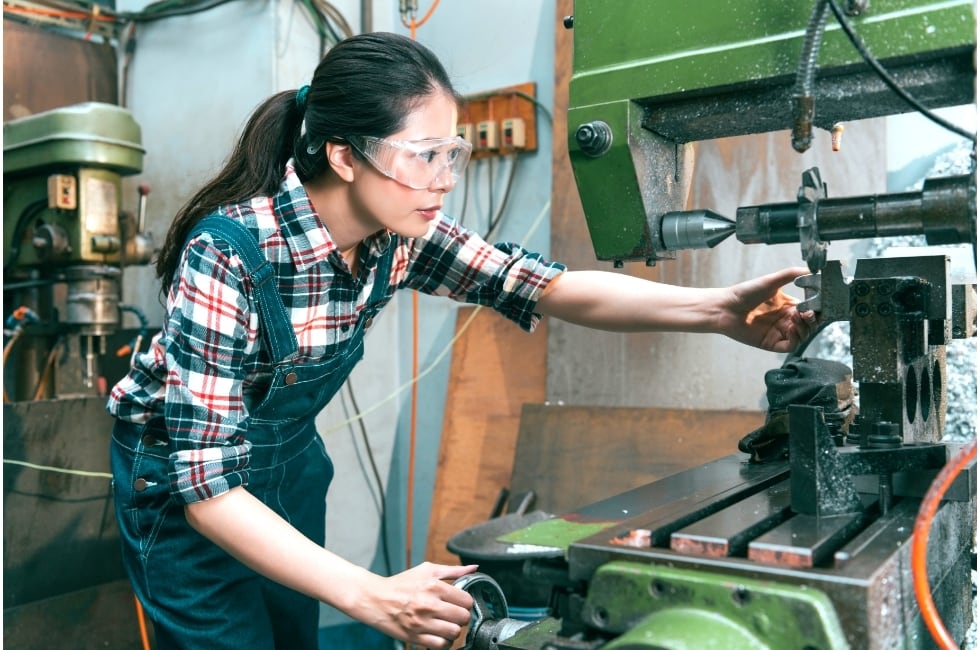
The most serious workplace eye injuries are likely to occur in specific work environments. When there’s dust, compressed air, tools, and especially power tools, extremely bright light or UV light, or work involving the use of chemicals, eyes can be at risk, and eye protection will be especially important.
“We’re usually looking at situations in which the surface of the eye gets scratched, foreign bodies become embedded in the eye, the eye is punctured, or chemicals have burned eye tissue. Welding flashes give off very bright UV light, and they’re also responsible for many eye injuries in the workplace.” says Gary.
Effective Eye Protection
Effective eye protection in the workplace isn’t just a matter of identifying areas where it’s needed and making sure it’s available – although that’s a good start. “Both employers and employees need to be educated and aware,” says Gary. “There are often instances in which eye protection is provided, but not worn, or the eye protection is inadequate, incorrect, or poorly-fitting.”
“Making employers and employees aware of workplace hazards, and sustaining that awareness is very important. When people work in hazardous situations every day, it becomes the norm. They get careless, and that’s a very dangerous state of affairs.”
“Once there is awareness coupled with the provision of adequate eye protection, and a safety-oriented workplace culture that enforces the use of safety equipment and safety protocols, the risk of eye injuries in the workplace is substantially reduced.”
Identifying Suitable Eye Protection Options
Choosing the right eye protection to use at work is rather more complicated than it may initially seem. Selection should follow the actual hazard and current applicable requirements. Ask the workplace safety adviser and equipment supplier which protection rating is needed for impact, dust, chemical or welding hazards.
Apart from being effective, the equipment should also be comfortable and fit well. “Personal Protective Equipment (PPE) should ideally be just that – personal,” says Gary. “If it’s comfortable to wear, there’s a greater chance of compliance. As an employee, you should ask for help if you feel that your equipment isn’t right for you. For example, if you wear glasses, your eye protection should fit over them, and if there’s a chance of chemicals or debris entering your eyes from the sides, there shouldn’t be any gaps.”
Practical clarification: Prescription safety eyewear or compatible over-glasses protection may be suitable, depending on the task and equipment specifications. Ordinary prescription glasses do not replace task-rated protection. Do not modify protective equipment yourself.
Risk Assessment, Eye Protection, Compliance
Risk assessment, suitable hazard controls, task-specific protection and correct use all matter. PPE is one part of a workplace safety system, not a substitute for eliminating or controlling hazards where possible.
“Your eyesight is too important to risk because you don’t want to engage with workplace safety officers or simply don’t feel like wearing your PEE,” says Gary. “Take the necessary steps, report problems, and be informed as to what to do in the event of an accident.”
Editorial note — 28 September 2026: The original interview quote uses “PEE”; the intended workplace-safety acronym is PPE, meaning personal protective equipment. The quoted wording has been retained rather than silently changed.
HEAR: Ultra106.5FM Interview with Gary Rodney – Covid and Myopia: What you need to know!
For more information on eye injuries and impairments, and how they can be treated, or to make an appointment for a regular eye check, visit the Smart Vision website: Optometrists Sydney: Optometry Services For Children and Adults | Smart Vision; for specific information about Myopia treatment and prevention visit Myopia Prevention: Solutions, Control And Treatment In Sydney; and for detailed information about Myopia Treatment visit Orthokeratology In Sydney: The Non Surgical Alternative.
Safeguard Your Vision
Schedule Your Vision Skills Assessment Today!
Current guidance and related interviews
SafeWork NSW’s PPE guidance covers selection, fit, maintenance, training and the role of other hazard controls. Check the actual task, materials, prescription needs and compatibility with other equipment. A routine eye test does not certify workplace or PPE safety.
Related interviews cover protecting your vision at work, jobs with eye hazards and computer vision syndrome.
Eye injuries need appropriate urgent care
Chemical exposure, a penetrating injury or an embedded object needs urgent medical assessment, not a routine booking. Do not remove an embedded object yourself. For chemical exposure, Healthdirect advises calling 000 and flushing the affected eye with cool water for 20 minutes while waiting, keeping the chemical out of the other eye. Follow the workplace emergency response and Healthdirect’s eye-injury guidance.
Frequently asked questions
What work details should I bring to an eye test?
Bring your current glasses, usual viewing distances and a description of the tasks that are difficult. Explain any required protective equipment.
Who should I tell if protective eyewear does not fit?
Raise the problem with the workplace’s responsible safety contact so suitable equipment or a fit review can be arranged.
Does clear vision mean the task is safe?
No. Clear vision and protection from a workplace hazard are separate requirements. The task needs appropriate safety controls.
Routine eye care in Bondi Beach or Mosman
Contact the Bondi Beach practice or Mosman practice to discuss a routine prescription or eye-health assessment. For screen-related discomfort, explore our digital eye strain service.
The original Gary Rodney interview about COVID and myopia remains available as historical background on a separate topic.