Published: 31 May 2021 | Updated: 27 September 2026 | Author: Smart Vision Optometry
Editorial and clinical update — 28 September 2026: The original article/interview body below is retained in its editorial form, including its attributed quotations and narrative structure. Current evidence and clinical guidance are presented separately below and should be relied on where older wording or claims differ.
Life Without Daytime Glasses | Smart Vision Optometry, Sydney
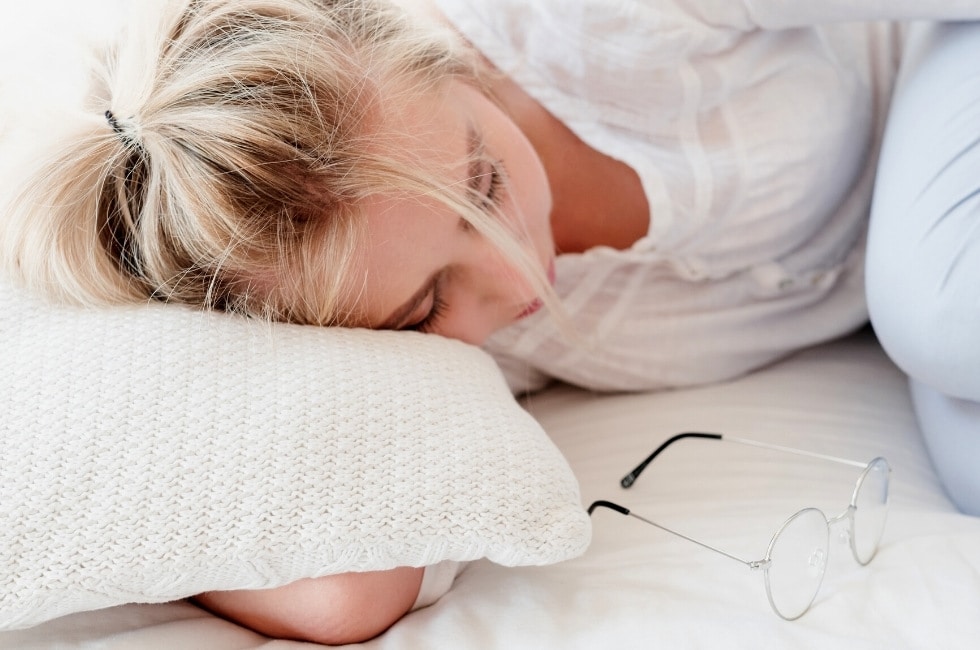
It’s called Orthokeratology, and it involves using contact lenses. But instead of someone wearing contacts by day, says Sydney behavioural optometrist and fellow of the International Academy of Orthokeratology and Myopia Control (FIAOMC), Gary Rodney, they will be wearing them while they sleep.
Orthokeratology, or Ortho-K, temporarily changes the shape of the cornea—the front surface of the eye—to correct refractive blur. It does not reshape the whole eyeball or cure myopia. Evidence supports its use to slow myopia progression in some children, with individual assessment and monitoring, a treatment goal Gary Rodney discusses in this interview.
The CDC describes Ortho-K as a prescribed lens that temporarily changes the cornea’s shape. Results and the maintenance schedule vary. The percentages previously attributed to the FDA in this article have been removed because the specific lens, study and patient group were not identified; they should not be read as an expected result for an individual.
The Orthokeratology Process
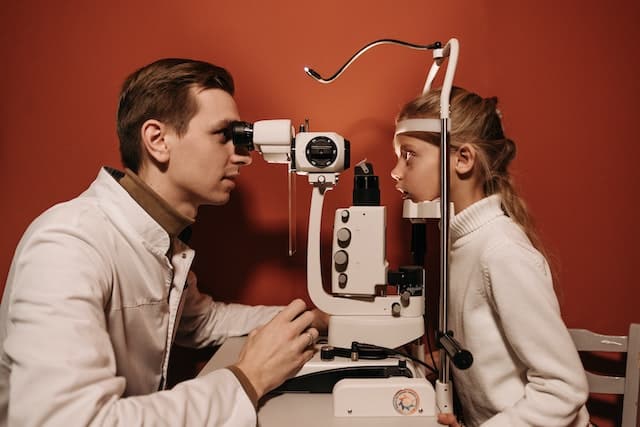
It all begins with an eye examination by an optometrist who has studied the field of orthokeratology – better still if they have been accredited to be a Fellow of Orthokeratology. If an initial examination indicates that Ortho-K can help, he or she will map the cornea’s surface using a corneal topographer. It’s contact-free, much like any other eye test, and the information it gathers will be used to make customised contact lenses.
“Usually, your lenses will flatten and mould the cornea somewhat,” says Gary. “The lenses are hard, but not uncomfortable, especially once you’ve grown accustomed to wearing them.” In the morning, after you remove your contact lenses, the cornea remains flattened for the day, allowing for clearer focus without glasses. “It is just like when you remove a finger ring that has been worn for a while there is an indentation that stays on the finger for the next day. That’s orthok but ion microns of shape change. In most instances, it takes about two weeks to achieve the full shaping process for which each set of lenses is designed,” says Gary. The number of lens adjustments and fitting visits varies between patients.
The shaping effect is temporary. Maintaining it requires the lens-wearing schedule prescribed for the individual; patients should not choose their own overnight schedule.
Sleeping with Contact Lenses Can Have Benefits
Gary Rodney says that kids and people with active lifestyles often benefit form Ortho-K. “For example, you shouldn’t surf with contacts, and unless you’re going to get prescription surfing goggles, you can’t do it with glasses either,” says Gary. “Kids, on the other hand, like rough and tumble, and glasses or contacts are less practical by day.”
And, of course, some people don’t want to wear glasses, and either don’t want to, or can’t, wear contacts by day. From a practical perspective, using Ortho-K lenses has a similar effect to glasses or contact lenses. They correct vision but don’t have a permanent effect if one stops wearing them. However, it is used at night, and there are a lot of personal and practical reasons why people choose this option instead of opting for glasses, regular contacts, or surgery to correct their vision.
Most tantalising of all is the possibility that Orthokeratology could slow the progression of myopia, especially in children. “There’s a rise in myopia,” says Gary, “and Eyes in Design is particularly interested in myopia control, particularly in children. Helping them to see better for longer would be the ultimate goal Eyes in Design would like to achieve.”
HEAR: Ultra106.5FM Interview with Gary Rodney – Covid and Myopia: What you need to know!
For more information on Orthokeratology and Smart Vision’s approach to myopia management, or to book an appointment, visit the Smart Vision website: Optometrists Sydney: Optometry Services For Children and Adults | Smart Vision; for specific information about Myopia treatment and prevention visit Myopia Prevention: Solutions, Control And Treatment In Sydney; and for detailed information about Myopia Treatment visit Orthokeratology In Sydney: The Non Surgical Alternative.
Imagine A Life Without Glasses
Schedule Your Vision Skills Assessment Today!
Editorial update: suitability and safe lens wear
Gary’s comments above describe his perspective at the time of the interview. Fitting time and comfort are individual; the quoted two-week timeframe is not a promise. An active lifestyle alone does not establish suitability. Our overnight Ortho-K assessment and care guide explains the factors to discuss with an optometrist.
International Myopia Institute guidance recommends individual assessment, informed discussion and ongoing review. For the distinction between clearer sight and slower progression, read our myopia-management guide.
Overnight contact-lens wear carries infection risks. Follow the prescribed wear and replacement schedule. CDC hygiene guidance advises washing and drying hands, using recommended fresh solution and keeping lenses away from water. Never top up old solution. Remove lenses and promptly contact an eye-care professional for pain, unusual redness, light sensitivity or sudden blurred vision; see the CDC’s complication guidance.
Frequently asked questions
Is Ortho-K a permanent correction?
No. Its corneal-shaping effect is temporary and requires the wearing schedule prescribed by the optometrist.
Does the interview’s fitting timeframe apply to everyone?
No. The time to achieve useful vision, comfort and the number of fitting visits vary. Discuss realistic expectations for your own eyes.
Can sport or lifestyle preferences alone establish suitability?
No. Prescription, corneal shape, eye health and the ability to follow lens-care and review requirements need individual assessment.
To discuss an assessment, contact our Bondi Beach practice or Mosman practice.