Smart Vision Optometry is reminding parents that children’s vision is not only about seeing clearly at a distance. For many children, visual comfort, eye coordination, focusing and tracking can influence how they experience reading, writing, homework and classroom learning.
A standard eye test often focuses on clarity of sight and eye health. Smart Vision behavioural optometry goes further by considering how the eyes and brain work together during real-life visual tasks. For school-aged children, this may include copying from the board, reading across a page, shifting focus between near and far distances, maintaining attention during close work and keeping place while reading.
The Australian Institute of Health and Welfare has reported that eye health is an important part of children’s wellbeing, with eye problems able to affect development, education and quality of life.
Gary Rodney, creator and founder of Smart Vision Optometry, is a Master of Optometry, Behavioural Optometrist, Fellow of the International Academy of Orthokeratology and Myopia Control, and has more than 30 years of clinical experience.
“A child may be able to see the letters on a chart and still find reading visually tiring,” Rodney said. “That is why we look at how the visual system functions, not just whether the child can see clearly for a few seconds in a testing room.”
Smart Vision Optometry provides bespoke eye care wellness treatment programs for children, teenagers and adults through its Bondi Beach and Mosman practices. Its services include behavioural optometry, vision problems in children, vision skills impacting educational performance assessments, vision therapy, myopia control and advanced eye health testing.
Jacquie Gattegno, principal senior optometrist at Eyes InDesign Smart Vision Optometry Bondi, is an experienced Behavioural Optometrist and Orthokeratologist.
“A child will not say, ‘My eyes are not teaming properly,’” Gattegno said. “They might say reading is boring, they might avoid homework, they might lose their place, or they might become tired and frustrated more quickly than expected.”
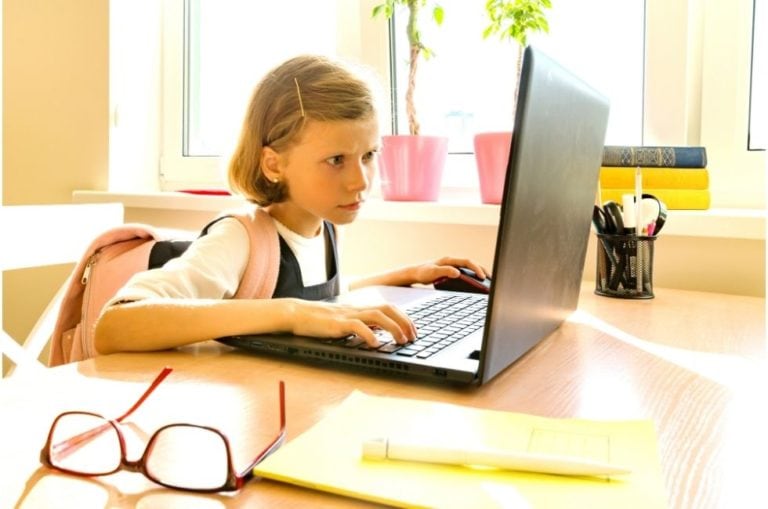
Common signs that may suggest a child needs a more detailed vision assessment include skipping words, rereading lines, using a finger to keep place, rubbing eyes, headaches, poor concentration with near work, messy handwriting, closing one eye, slow copying or reluctance to read aloud.
Rodney said it is important not to jump to conclusions, but also not to overlook vision. After all 80% of how we absorb information for learning comes through the visual pathway so it’s pretty important to address.
“Learning is complex, and vision is only one part of the picture,” Rodney said. “But because so much classroom learning is visually demanding, it makes sense to rule vision in or out properly. If the visual system is contributing to the child’s difficulties, then understanding that can be very helpful.”
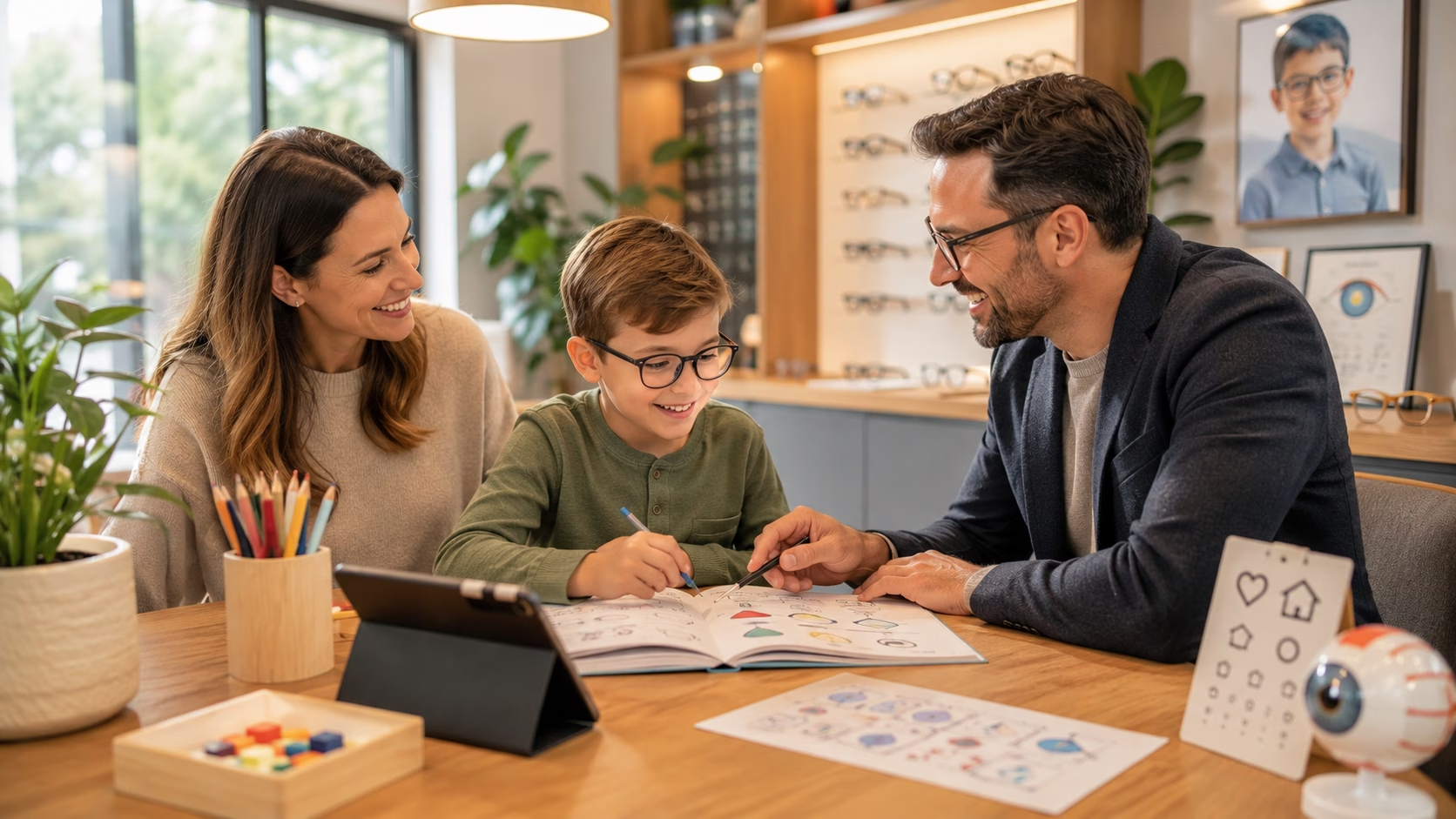
Behavioural optometry assessments may look at visual acuity, eye health, eye teaming, focusing flexibility, tracking, depth perception, visual processing and how the child manages sustained near tasks.
For some children, glasses may be recommended. For others, management may involve visual hygiene strategies, environmental changes, monitoring, referral, or a structured vision therapy program where clinically appropriate.
“Vision therapy is not tutoring, and it is not a promise of academic results,” Gattegno said. “It is a structured program designed to develop specific visual skills when assessment shows that those skills are not working as well as they should. The aim is to improve visual function and comfort, not to make unrealistic claims.”
Smart Vision Optometry’s approach is assessment-led. This means recommendations are based on clinical findings, symptoms, the child’s needs and the family’s goals.
Rodney said parents should also consider the growing visual demands placed on modern students.
“Children are moving between books, laptops, tablets, whiteboards and phones throughout the day,” Rodney said. “Their eyes are constantly adjusting focus and direction. If those systems are under strain, school can become exhausting.”
Gattegno said early attention can help families better understand what is happening.
“Sometimes the most valuable thing we can give a family is clarity,” Gattegno said. “Parents may have been told their child is not trying hard enough, when in fact the child may be working very hard just to keep up visually.”
Smart Vision Optometry encourages parents to seek an assessment if a child is struggling with reading, avoiding homework, complaining of headaches, showing visual fatigue, or performing below their expected ability despite effort.
The practice also reminds parents that they do not need to know exactly which service their child needs before booking. Families can describe the symptoms, concerns or goals, and the SVO team can guide them toward the most appropriate assessment.
“Parents know their children,” Rodney said. “If something feels inconsistent, such as the child being capable but tiring quickly, avoiding visual tasks or losing confidence, it is worth asking whether vision may be playing a role.”
Gattegno said the goal is to support the child, not label them.
“We want children to feel understood,” Gattegno said. “When we assess vision properly, we can help families make informed decisions and support the child in a practical, personalised way.”To learn more about children’s vision, behavioural optometry or educational performance assessments, book an appointment with Smart Vision Optometry, or call the Bondi clinic on (02) 9365 5047 or the Mosman clinic on (02) 9969 1600.