
Resources Blog

  • |

    Eyes After 40: What Everyone Needs to Know

    Published: 30 July 2021 | Updated: 28 September 2026 | Author: Smart Vision Optometry. TL;DR Summary: Near focusing often changes in midlife, but new blur, discomfort or difficulty seeing at night should not simply be dismissed as ageing. Eye examinations assess prescription needs and eye health. The timing of checks and any treatment should reflect your symptoms, history and examination findings.

  • |

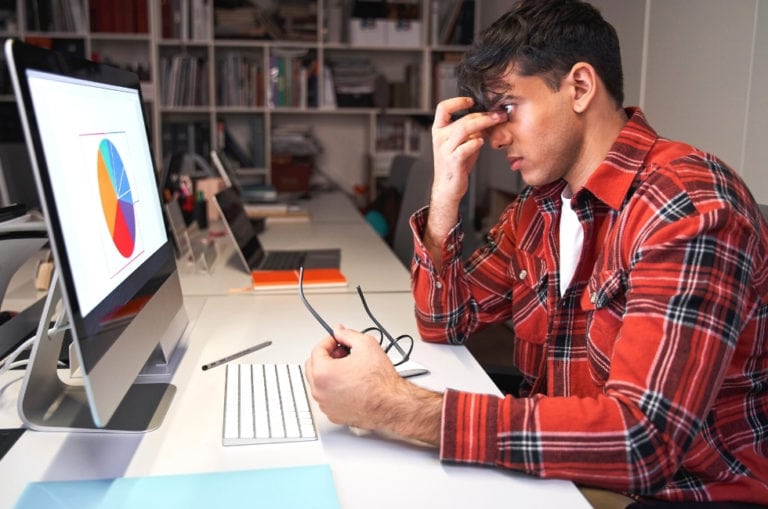
    Eye Strain from Student to Professional: How to be Kinder to One’s Eyes

    Published: 27 July 2021 | Updated: 28 September 2026 | Author: Smart Vision Optometry. TL;DR Summary: Recurring eye discomfort can interfere with reading, study and work. Note the tasks and symptoms involved, review practical screen habits and seek an assessment when the problem keeps returning. A prescription, dry-eye issue or specific focusing problem may need a different response.

  • |

    Computer Vision Syndrome: How Screen Time Hurts Eyes and What to Do About It

    Published: 23 July 2021 | Updated: 30 September 2026 | Author: Smart Vision Optometry. TL;DR Summary: Computer vision syndrome, also called digital eye strain, describes discomfort linked to prolonged screen use. Breaks, comfortable screen positioning and an appropriate prescription may help. Persistent symptoms need assessment, and blue-light-filtering glasses are not a proven general solution.

  • |

    Your Job and Your Vision: Protecting Your Eyes at Work

    Published: 20 July 2021 | Updated: 28 September 2026 | Author: Smart Vision Optometry. TL;DR Summary: Describe your actual work tasks when discussing eye protection or prescription needs. Ask how hazards are controlled, whether protection fits and how to report problems. A routine eye test supports vision care but does not replace workplace safety assessment or urgent treatment after an injury.

  • |

    Behavioural Optometry: A Holistic Look at Sight and How we Use It

    Published: 16 July 2021 | Updated: 30 September 2026 | Author: Smart Vision Optometry. TL;DR Summary: This interview discusses visual function during everyday activities. Assessment should identify a specific problem and explain the evidence for proposed care. Clear distance eyesight is one measure; broad claims about learning or sporting gains need their own support.

  • |

    Jobs That Could Place One’s Vision at Risk – What They Are and What to do About It

    Published: 9 July 2021 | Updated: 28 September 2026 | Author: Smart Vision Optometry. TL;DR Summary: Screen discomfort, flying particles, chemicals and outdoor UV exposure call for different responses. Identify the actual task and hazard, use appropriate workplace controls and seek care for symptoms or injury. Lens tint, a job title or a routine eye test alone cannot establish that protection is adequate.

  • |

    Why Maintaining Good Eye Health is Vital

    Published: 30 June 2021 | Updated: 30 September 2026 | Author: Smart Vision Optometry. TL;DR Summary: Eye health can affect daily activities and quality of life. Seek assessment for changing vision and discuss support for any diagnosed condition. Emotional distress also deserves appropriate care; it should not automatically be attributed to an eye problem.

  • |

    Importance of Physical Exercise for Healthy Vision

    Published: 21 June 2021 | Updated: 30 September 2026 | Author: Smart Vision Optometry. TL;DR Summary: Physical activity supports general health, but it is not a replacement for prescribed eye treatment. Choose activity appropriate to your health and any clinical restrictions. The interview’s percentages and exercise timetable are not guarantees of preventing eye disease.

  • |

    How Other Senses Play a Role in Perceptual Vision

    Published: 16 June 2021 | Updated: 30 September 2026 | Author: Smart Vision Optometry. TL;DR Summary: Perception can combine information from different senses. Research on sensory interaction helps explain that process, but it does not by itself prove that a particular training programme improves everyday function or treats an eye condition.

  • |

    Behavioural Optometry and How it Saves Vision

    Published: 11 June 2021 | Updated: 30 September 2026 | Author: Smart Vision Optometry. TL;DR Summary: Eye care can assess clarity of sight, prescription, eye health and—when relevant—how the eyes focus, align and work together. Attention, reading, learning, behaviour or sporting difficulties should not be assumed to come from a vision disorder; any diagnosed ocular or binocular condition should be treated for its own clinical indication.

  • |

    The Impact of Smartphones on Children’s Vision of the World

    Published: 7 June 2021 | Updated: 30 September 2026 | Author: Smart Vision Optometry. TL;DR Summary: Children’s screen use should be considered alongside sleep, activity and visual comfort. Persistent symptoms need assessment. Ordinary digital-device blue light has not been shown to cause eye disease, and associations with wellbeing do not prove that every symptom is caused by a smartphone.

  • |

    Fixing Vision While Sleeping: Who it’s For and How it Works

    Published: 31 May 2021 | Updated: 27 September 2026 | Author: Smart Vision Optometry. TL;DR Summary: In this interview, Gary Rodney discusses why some people consider overnight Ortho-K lenses. The effect on vision is temporary, suitability varies, and professional fitting, lens care and follow-up are essential. His original comments are retained below, with current factual and safety context added separately.

  • |

    New Hope for Myopia Management and Treatment

    Published: 17 May 2021 | Updated: 30 September 2026 | Author: Smart Vision Optometry. TL;DR Summary: Myopia makes distant objects look blurred and can progress during childhood. Correcting blur and slowing progression are different goals, and no single management option guarantees that progression will stop.

  • |

    The Relationship Between Glaucoma and Poor Sleep

    Published: 27 April 2021 | Updated: 28 September 2026 | Author: Smart Vision Optometry. TL;DR Summary: Research has found links between some sleep patterns and glaucoma, but this does not prove that poor sleep causes glaucoma or that changing sleep hours treats it. Keep your eye-care plan and discuss persistent sleep problems with your GP.