Eye health

  • |

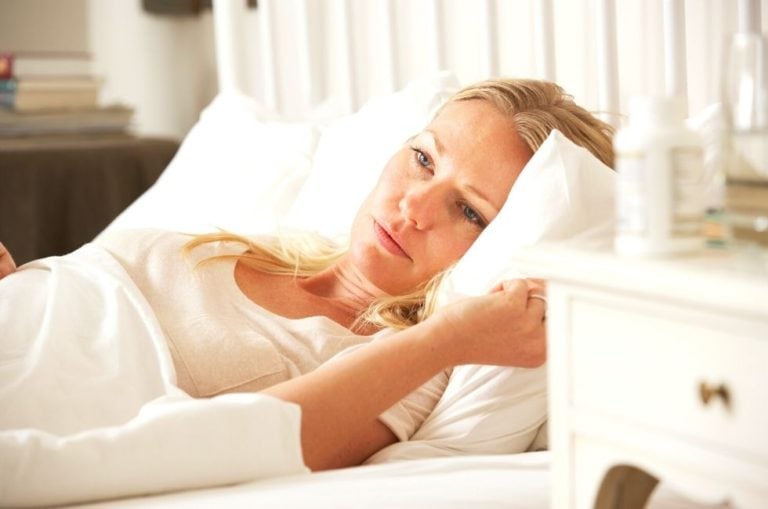
    Treat glaucoma eye condition to prevent blindness

    Published: 27 October 2021 | Updated: 28 September 2026 | Author: Smart Vision Optometry. TL;DR Summary: Glaucoma can damage vision before you notice symptoms. Eye examinations and appropriate treatment help protect remaining sight. Care may involve drops, laser or surgery. Sudden severe eye pain, redness, blurred vision or nausea needs urgent assessment.

  • |

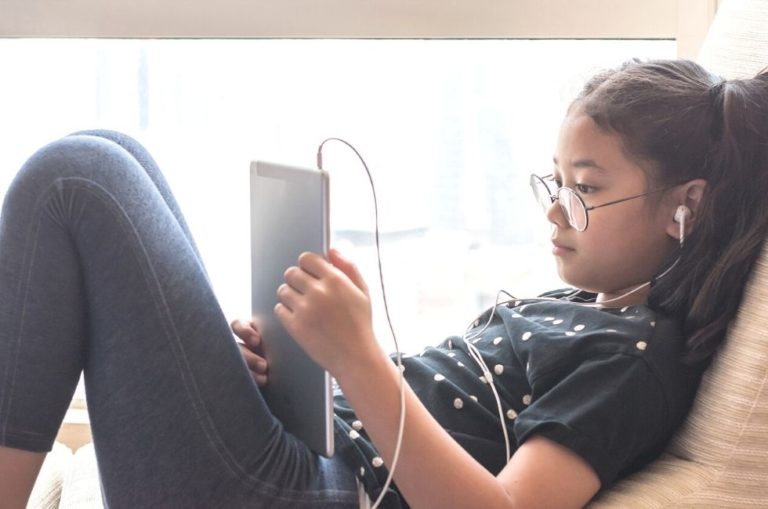
    Teachers help to spot early signs of eye problems in kids

    Published: 12 October 2021 | Updated: 30 September 2026 | Author: Smart Vision Optometry. TL;DR Summary: Teachers can notice visual difficulties and help families seek assessment, but classroom behaviour does not diagnose an eye condition. Adjust learning materials to the child’s assessed needs. Activity restrictions or treatment decisions for retinal disease must come from the child’s clinical team.

  • | | |

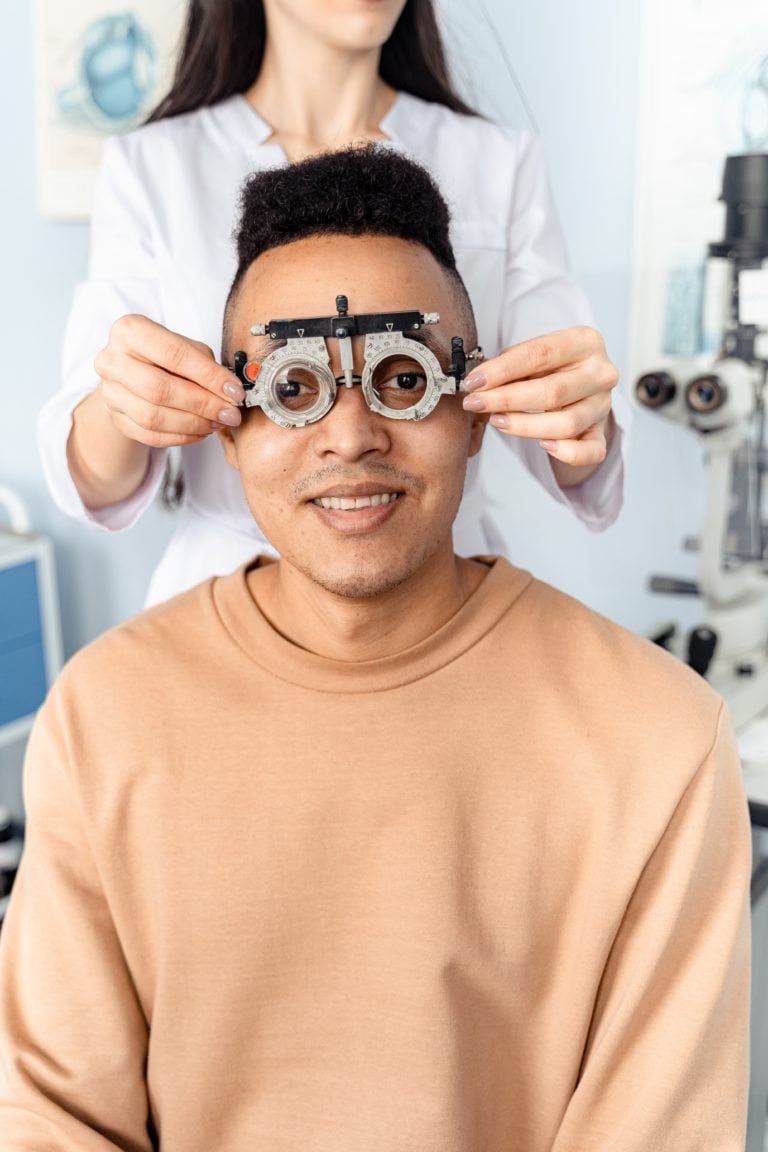
    Behavioural Optometry kids eye care improve vision

    Published: 20 September 2021 | Updated: 30 September 2026 | Author: Smart Vision Optometry. TL;DR Summary: Children may have an eye condition alongside reading, attention or coordination difficulties. Assess each concern appropriately. Treatment for a diagnosed visual problem should have a defined goal; it must not be presented as a general cure for dyslexia, ADHD or school difficulties.

  • |

    Yes, Shortsighted People Can Play Sport

    Published: 27 August 2021 | Updated: 30 September 2026 | Author: Smart Vision Optometry. TL;DR Summary: People with myopia can participate in sport using correction and protection suited to the activity. Contact lenses do not protect against impact and should be removed before swimming. Ortho-K suitability varies, and neither it nor visual training guarantees perfect vision or sporting results.

  • |

    Use These 5 Tips to Keep Your Eyes Healthier for Longer

    Published: 20 August 2021 | Updated: 30 September 2026 | Author: Smart Vision Optometry. TL;DR Summary: Everyday eye care includes appropriate examinations, healthy habits and protection for the task. Persistent symptoms need assessment. General advice about sleep, screen breaks or hydration is not a personalised treatment plan or a guarantee against eye disease.

  • |

    Why Eye Screening for Diabetics is so Important

    Published: 9 August 2021 | Updated: 28 September 2026 | Author: Smart Vision Optometry. TL;DR Summary: Diabetes eye checks can detect changes before you notice them. If screening is overdue, contact your eye-care team and make a plan. Bring relevant history and medicines, ask about dilating drops, and arrange suitable transport. Follow your individual review schedule.

  • |

    Eyes After 40: What Everyone Needs to Know

    Published: 30 July 2021 | Updated: 28 September 2026 | Author: Smart Vision Optometry. TL;DR Summary: Near focusing often changes in midlife, but new blur, discomfort or difficulty seeing at night should not simply be dismissed as ageing. Eye examinations assess prescription needs and eye health. The timing of checks and any treatment should reflect your symptoms, history and examination findings.

  • |

    Eye Strain from Student to Professional: How to be Kinder to One’s Eyes

    Published: 27 July 2021 | Updated: 28 September 2026 | Author: Smart Vision Optometry. TL;DR Summary: Recurring eye discomfort can interfere with reading, study and work. Note the tasks and symptoms involved, review practical screen habits and seek an assessment when the problem keeps returning. A prescription, dry-eye issue or specific focusing problem may need a different response.

  • |

    Your Job and Your Vision: Protecting Your Eyes at Work

    Published: 20 July 2021 | Updated: 28 September 2026 | Author: Smart Vision Optometry. TL;DR Summary: Describe your actual work tasks when discussing eye protection or prescription needs. Ask how hazards are controlled, whether protection fits and how to report problems. A routine eye test supports vision care but does not replace workplace safety assessment or urgent treatment after an injury.

  • |

    Jobs That Could Place One’s Vision at Risk – What They Are and What to do About It

    Published: 9 July 2021 | Updated: 28 September 2026 | Author: Smart Vision Optometry. TL;DR Summary: Screen discomfort, flying particles, chemicals and outdoor UV exposure call for different responses. Identify the actual task and hazard, use appropriate workplace controls and seek care for symptoms or injury. Lens tint, a job title or a routine eye test alone cannot establish that protection is adequate.

  • |

    Why Maintaining Good Eye Health is Vital

    Published: 30 June 2021 | Updated: 30 September 2026 | Author: Smart Vision Optometry. TL;DR Summary: Eye health can affect daily activities and quality of life. Seek assessment for changing vision and discuss support for any diagnosed condition. Emotional distress also deserves appropriate care; it should not automatically be attributed to an eye problem.

  • |

    Importance of Physical Exercise for Healthy Vision

    Published: 21 June 2021 | Updated: 30 September 2026 | Author: Smart Vision Optometry. TL;DR Summary: Physical activity supports general health, but it is not a replacement for prescribed eye treatment. Choose activity appropriate to your health and any clinical restrictions. The interview’s percentages and exercise timetable are not guarantees of preventing eye disease.

  • |

    How Other Senses Play a Role in Perceptual Vision

    Published: 16 June 2021 | Updated: 30 September 2026 | Author: Smart Vision Optometry. TL;DR Summary: Perception can combine information from different senses. Research on sensory interaction helps explain that process, but it does not by itself prove that a particular training programme improves everyday function or treats an eye condition.

  • |

    The Relationship Between Glaucoma and Poor Sleep

    Published: 27 April 2021 | Updated: 28 September 2026 | Author: Smart Vision Optometry. TL;DR Summary: Research has found links between some sleep patterns and glaucoma, but this does not prove that poor sleep causes glaucoma or that changing sleep hours treats it. Keep your eye-care plan and discuss persistent sleep problems with your GP.